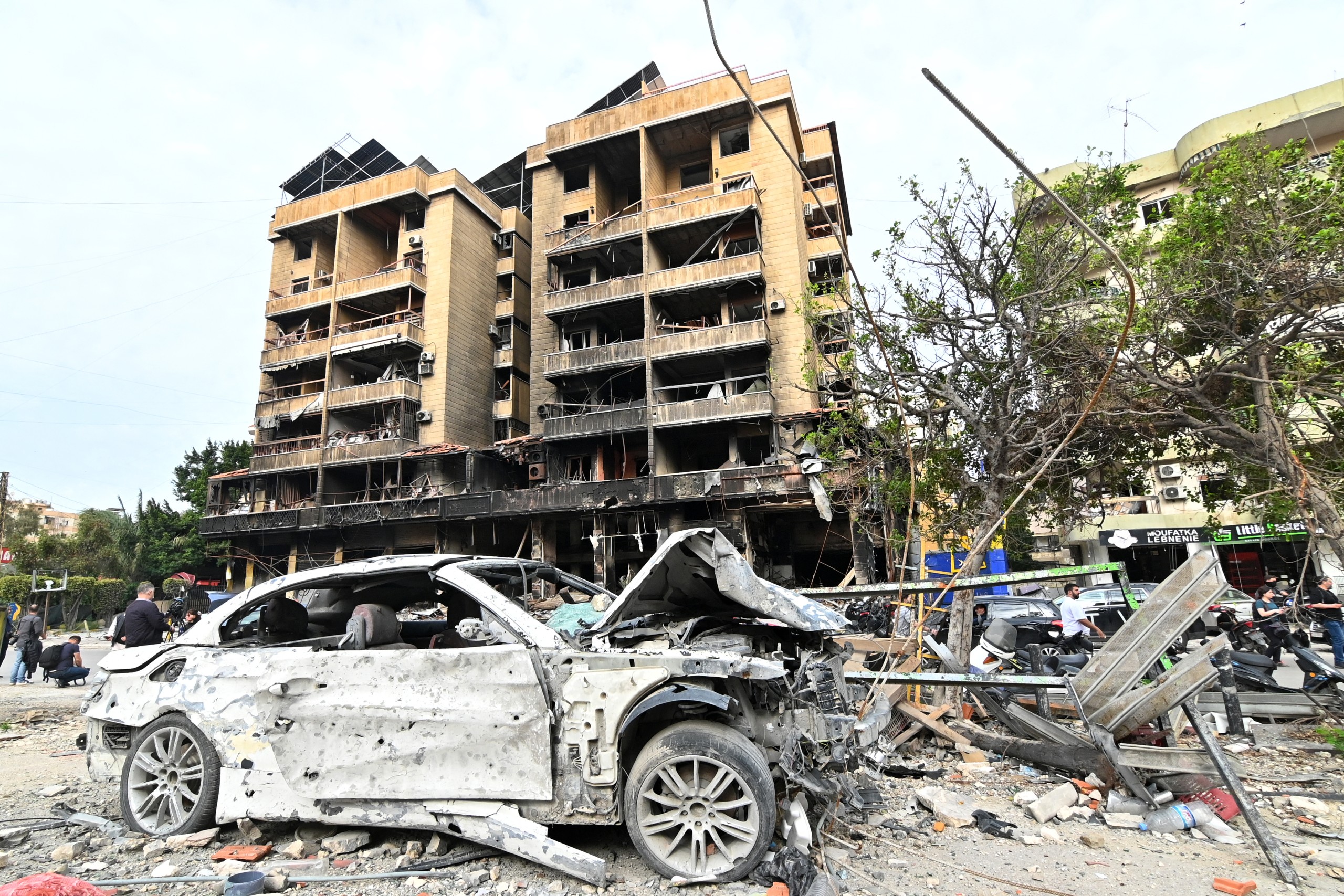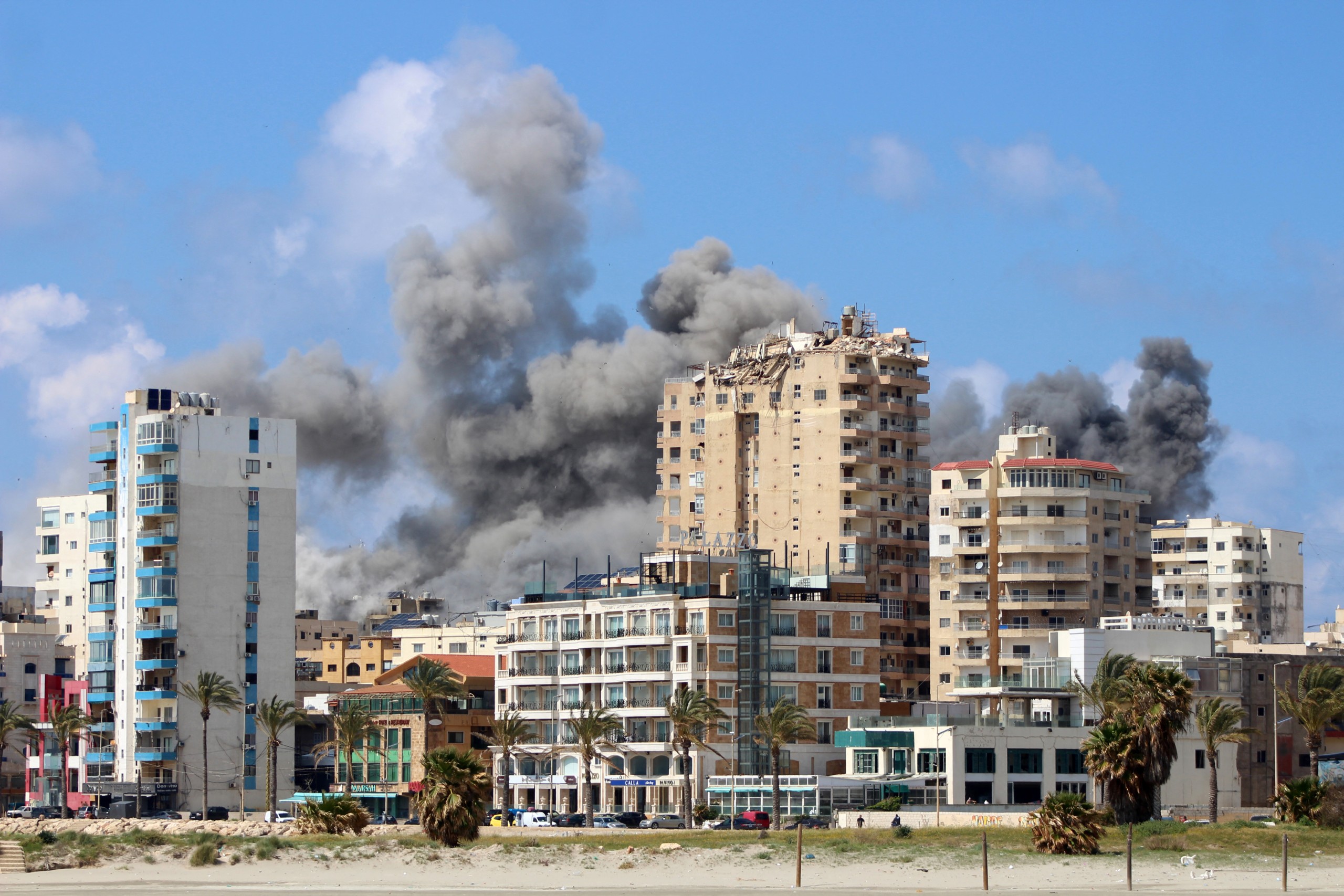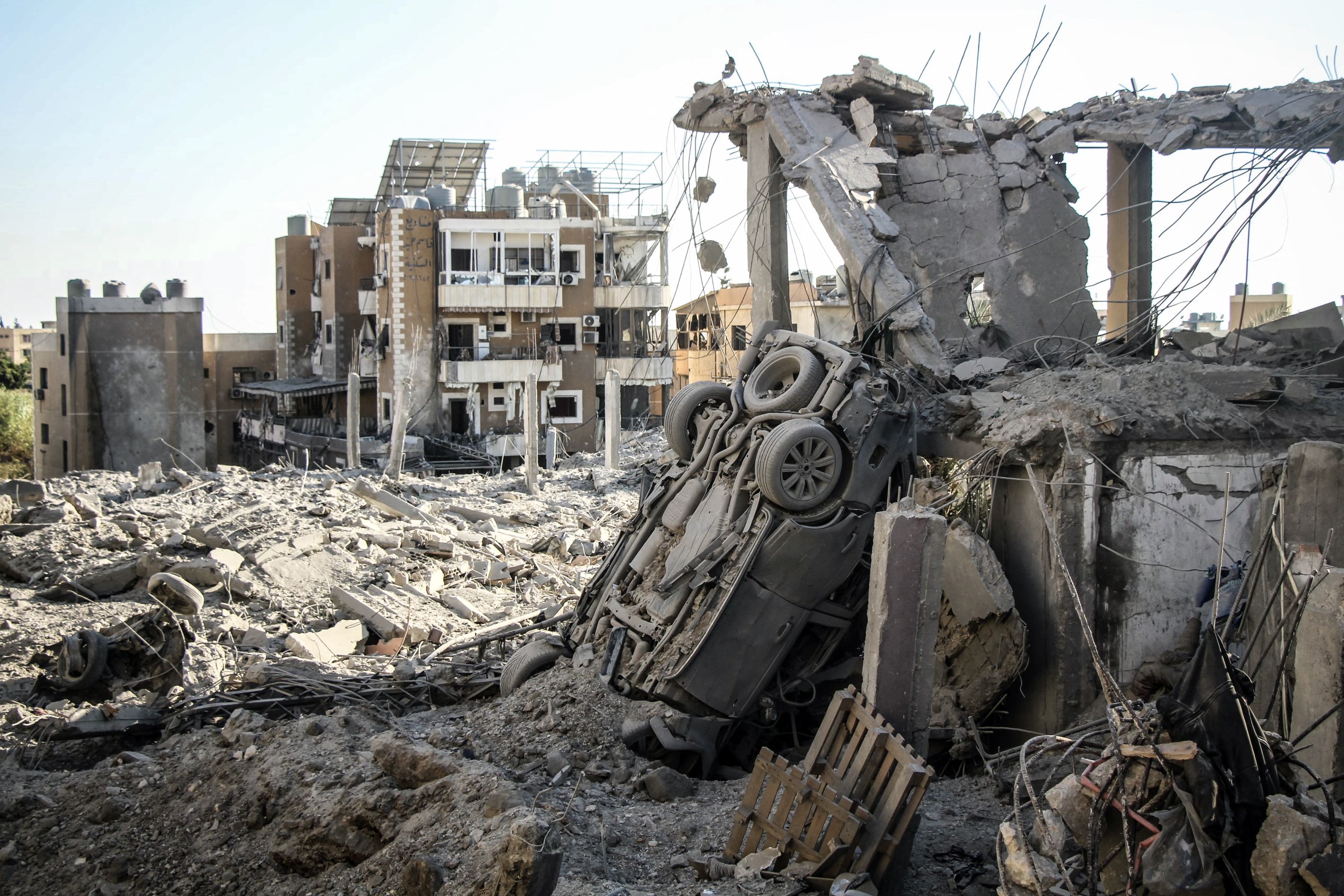
Israel launched strikes on southern Lebanon on Thursday just hours after Israeli and Lebanese envoys announced they had agreed to a conditional ceasefire in Washington, raising doubts about the viability of the truce.
The strikes came despite Wednesday’s agreement between Israeli and Lebanese representatives following their fourth round of talks in the US capital. The proposed ceasefire is contingent on Iran-backed militant group Hezbollah halting its attacks on Israel.
However, Hezbollah, which rejects the direct Israel-Lebanon negotiations, has not commented on the announcement. Israeli Defence Minister Israel Katz said military operations would continue in southern Lebanon.
“Israeli forces retain the freedom of action, with American backing, to strike in Beirut in response to fire on Israeli communities and territory,” Katz said, adding that the army would “at this stage, continue its fire and ground operations” and remain in the security zone up to the Yellow Line.
Lebanon’s state-run National News Agency reported strikes along roads at several southern locations on Thursday, with a couple and their daughter wounded in an attack on their car. The Israeli military renewed warnings to Lebanese civilians not to travel south of the Zahrani River, approximately 45 kilometres from Beirut, after declaring all areas south of the river “combat zones” last week.
Far-right opposition
Israel’s far-right National Security Minister Itamar Ben Gvir criticised the deal, calling it a “serious mistake”.
According to a statement issued after the Washington meeting, the two sides, which do not have formal diplomatic relations, also agreed to create “pilot zones” in which the Lebanese armed forces would take exclusive control of territory, excluding all non-state actors. Further talks are scheduled for later this month.
Senior Hezbollah official Mahmud Qomati told AFP this week that the group would “not accept a partial ceasefire”.
Hezbollah drew Lebanon into the wider Middle East conflict on 2 March, firing rockets at Israel in retaliation for US-Israeli strikes that killed Iran’s supreme leader on 28 February. The group has vowed to continue fighting despite pressure from the Lebanese government to disarm.
A previous truce agreed on 17 April was meant to halt the fighting and was extended several times but has never been observed, with both sides justifying their ongoing attacks by citing the other’s alleged violations.
On Wednesday, US President Donald Trump said he wanted to separate talks on the conflict in Lebanon from those on the war with Iran. Tehran insists the conflicts are linked, and Iranian Foreign Minister Abbas Araghchi warned that any attack on Beirut would trigger a “full-scale resumption” of war.
Lebanese authorities say Israeli attacks have killed more than 3 500 people since Hezbollah entered the conflict in early March.
ALSO READ: Drone strikes close Kuwait airport as Iran and US clash in Gulf