Institute of Race Relations Legal has offered free support to 69 South African municipalities that have had their national grant funding withheld by the National Treasury, proposing a solution that could save millions without affecting service delivery.
The organisation has reached out to all municipalities facing corrective action under Section 216(2) of the Constitution, offering to help them cut costs by eliminating procurement premiums linked to broad-based black economic empowerment (BEE) requirements.
Why municipalities lost their funding
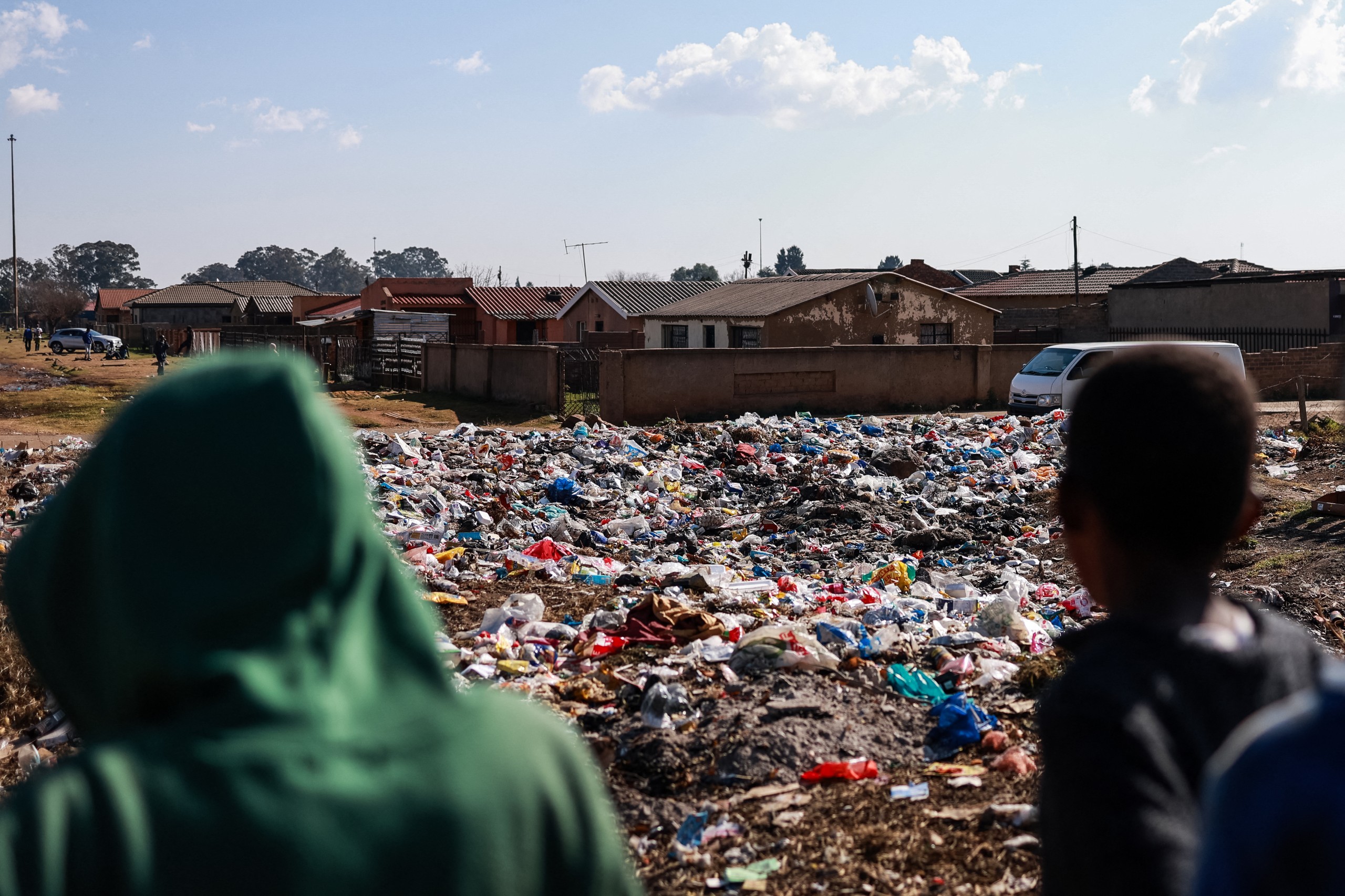
The National Treasury announced this week that it was temporarily withholding equitable share transfers to the 69 municipalities across all nine provinces due to serious financial mismanagement and persistent non-compliance with the Municipal Finance Management Act.
According to the Auditor-General’s 2024/25 report, municipalities have accumulated R145 billion in irregular expenditure since 2021/22, with R24 billion in fruitless and wasteful spending during the same period. The Treasury also found that 116 municipalities, or 45%, adopted unfunded budgets in 2024/25, up from 113 the previous year.
Many of the affected municipalities have failed to pay statutory commitments to creditors including Eskom, water boards, the South African Revenue Service and pension fund administrators. Six municipalities alone owe more than R4 billion to water boards, whilst 16 defaulters owe a combined R1.43 billion to pension fund administrators.
The Treasury maintains that withholding funds is a corrective measure to enforce fiscal discipline and ensure accountability, but municipalities must meet strict conditions before funding is released, including reducing their total unauthorised, irregular, fruitless and wasteful expenditure by at least 25% by 30 September.
The proposed solution
IRR Legal argues that municipalities can achieve immediate savings by stopping the payment of BEE preference premiums required under the Preferential Procurement Policy Framework Act (PPPFA) and instead procuring goods and services at maximum value for money.
Under the current PPPFA points system, municipalities are obligated to pay up to 25% more for contracts below R50 million and up to 11.1% more for contracts exceeding R50 million to meet specific goals that prioritise previously disadvantaged persons and categories.
However, Section 3(c) of the PPPFA empowers the Minister of Finance to exempt any organ of state from these provisions if it is in the public interest.
IRR Legal contends that it is in the public interest for municipalities facing service delivery collapse and grant suspensions to procure goods at the lowest cost, maximising the value of every rand spent.
ALSO READ: Treasury suspends transfers to 69 municipalities over financial mismanagement
Support offered
IRR Legal has provided the 69 municipalities with a comprehensive briefing document detailing what it describes as the established connection between BEE preference premiums and state capture. The document draws on findings from the Zondo Commission, the Presidency, the International Monetary Fund and Harvard University’s Growth Lab.
The organisation has also supplied independent polling data which it says demonstrates public support for eliminating preference premiums in favour of cost-effective governance.
IRR Legal has provided a ready-to-send template that municipalities can use to request immediate exemption from paying preference premiums from the Minister of Finance. The organisation has also offered free support to municipal managers, chief financial officers and supply chain management departments.
ALSO READ: Treasury defends withholding R13.5 billion from 69 municipalities
The organisation argues that every rand saved by procuring at market value could be used to restore municipal balance sheets, improve service delivery and demonstrate the fiscal discipline required by the National Treasury to unlock withheld grants.
Who is the IRR
The Institute of Race Relations is a South African civil society organisation founded in 1929 that has operated continuously for more than nine decades. The organisation conducts research, promotes policy solutions, and advocates for freedom, equality and prosperity in South Africa.
Throughout its history, the IRR’s stated objectives have been to work for peace, goodwill and practical cooperation in South Africa, whilst initiating investigations that lead to greater knowledge and understanding between racial groups. The organisation describes itself as committed to non-racialism and classical liberalism.
ALSO READ: IRR warns of “battles to come” following Ramaphosa’s Expropriation Act admissions