Cricket’s cash cow just got fatter. The Indian Premier League’s value has rocketed to a staggering $20.6 billion, fuelled by blockbuster ownership deals that have transformed the T20 competition into one of the world’s most valuable sports brands.
A report released Wednesday by investment bank Houlihan Lokey revealed the IPL’s brand value surged 10.3 percent over the past year, cementing its position as a financial juggernaut that now rivals the biggest leagues on the planet.
The numbers are eye-watering. “On a per-match basis, only the NFL ranks ahead of the IPL globally,” the report stated, underlining just how lucrative cricket’s premier franchise tournament has become in less than two decades of existence.
RCB retain crown as IPL’s most valuable franchise
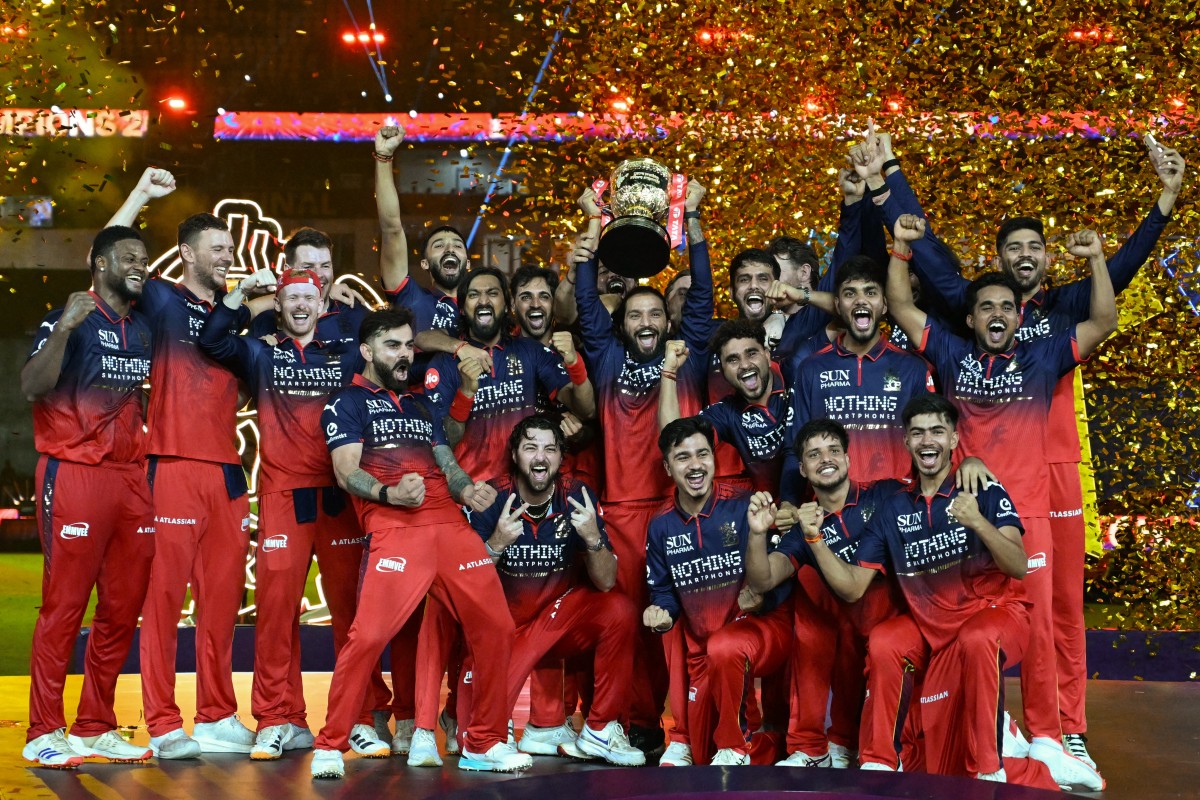
Royal Challengers Bengaluru, home to superstar Virat Kohli and back to back IPL champions, retained their status as the league’s most valuable franchise with a brand value of $312 million.
But it’s the recent change of ownership that truly captures the IPL’s ascent into rarefied financial air. RCB was snapped up by a consortium including US asset management behemoth Blackstone in a deal worth nearly $1.8 billion, the most expensive franchise transaction in IPL history.
Royals change hands in $1.65 billion mega deal
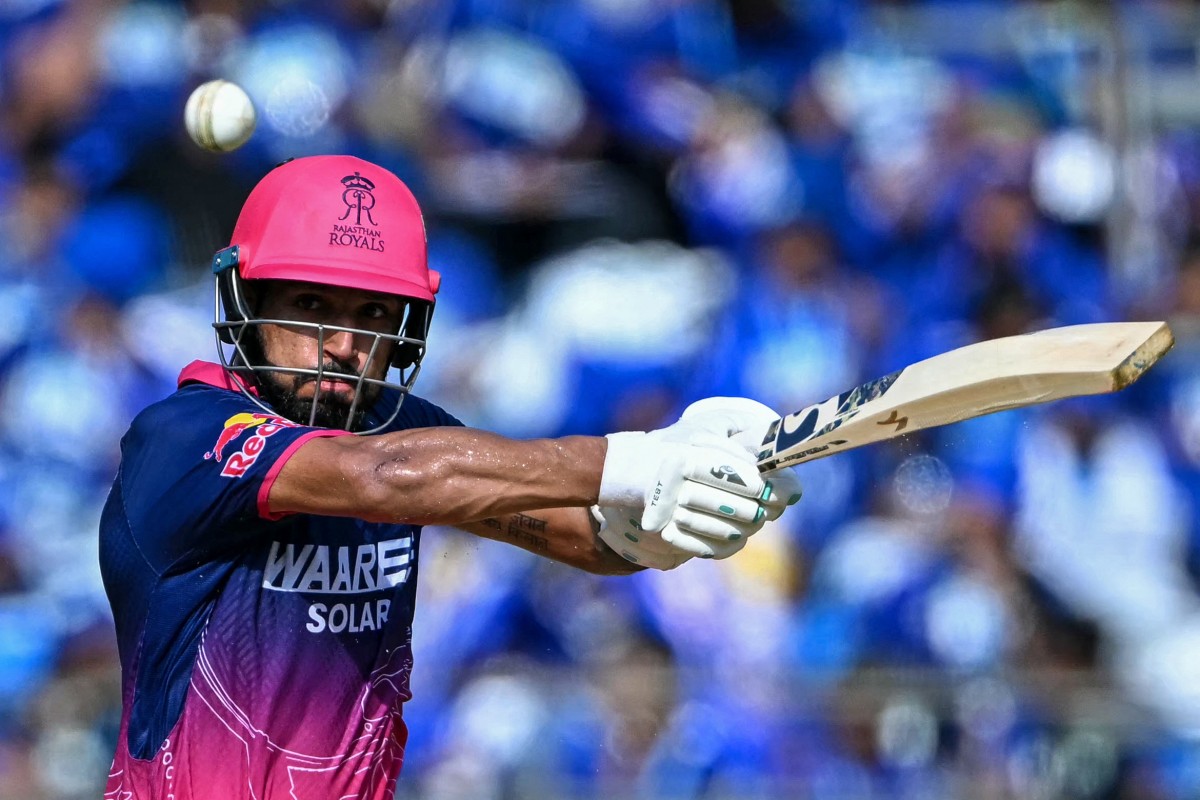
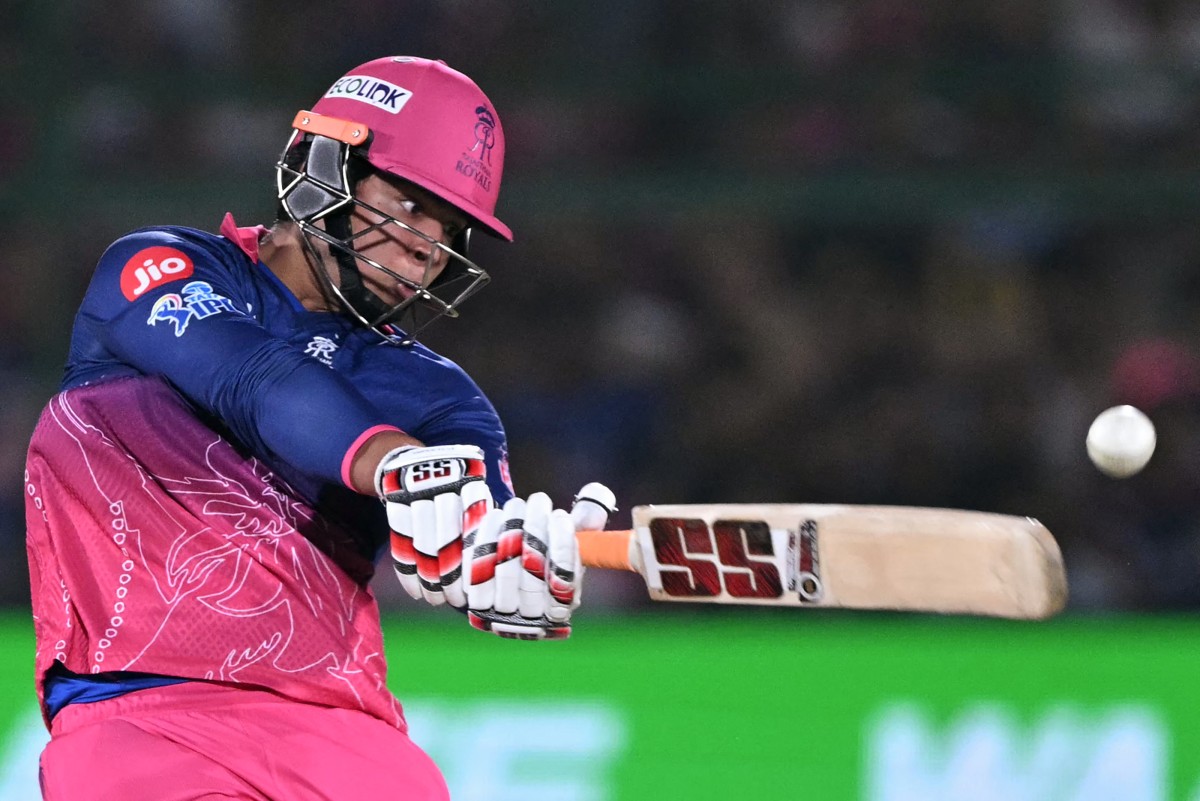
Not to be outdone, Rajasthan Royals also switched ownership in a mammoth transaction valued at $1.65 billion. Indian steel magnate Lakshmi N. Mittal and his family joined vaccine billionaire Adar Poonawalla in taking control of the franchise, further proof that the IPL has become the playground of the ultra-wealthy.
These aren’t vanity projects. These are calculated investments by some of the world’s sharpest business minds, betting billions that cricket’s premier league will continue printing money for decades to come.
Cricket’s evolution into institutional asset class
Harsh Talikoti from Houlihan Lokey captured the significance perfectly. “Cricket’s evolution into a globally owned, institutionally backed asset class has accelerated further in 2026, with the IPL continuing to redefine the global sports landscape,” he said.
“These latest transactions further demonstrate the confidence investors continue to place in the long-term value creation opportunity.”
Translation: The smart money believes the IPL is just getting started.
From experiment to economic powerhouse
When the IPL launched in 2008, critics dismissed it as a flashy experiment that would never last. Nearly two decades later, it has become the top revenue earner for the Board of Control for Cricket in India and was estimated to generate more than $11 billion annually for the Indian economy back in 2020.
The global sports landscape redefined
The IPL now sits alongside the NFL, Premier League, and NBA as one of the planet’s elite sporting properties. Its per-match value eclipses virtually every other competition bar American football, a remarkable achievement for a league that didn’t exist when most of its current stars were in primary school.
For context, the most recent NFL franchise sale, the Washington Commanders in 2023, fetched $6.05 billion. Whilst that’s significantly higher than any single IPL franchise, the Commanders represent one of 32 NFL teams in a league that has existed since 1920.
The IPL, with just 10 franchises and less than 20 years of history, is closing the gap at breakneck speed.
What’s driving the boom?
Several factors underpin the IPL’s explosive growth. India’s population of 1.4 billion provides an enormous domestic market, whilst the Indian diaspora ensures global reach. The tournament’s compact two-month window creates scarcity value, driving up broadcast rights and sponsorship deals.
Crucially, the IPL has successfully positioned itself as entertainment rather than just sport, attracting non-cricket fans through Bollywood glamour, music, and spectacle. It’s become a cultural phenomenon that transcends the boundary rope.
The entry of institutional investors like Blackstone signals another shift. This isn’t just wealthy individuals buying toys; it’s sophisticated capital allocators identifying long-term value creation opportunities in sport.
The future looks even bigger
If the IPL can maintain its growth trajectory, and with India’s economy continuing to expand and cricket’s global footprint widening, the $20.6 billion valuation may look conservative in hindsight.
The league has already weathered pandemic disruptions, ownership controversies, and fierce competition from other sports. Each time, it has emerged stronger.
As Talikoti noted, the latest mega-deals demonstrate continuing investor confidence. When billionaires are prepared to stake nearly $2 billion on a single franchise, they’re not thinking in quarters or even years. They’re thinking decades.
The IPL has redefined what’s possible in cricket. Now, it’s redefining what’s possible in global sport. And judging by the latest valuations, the revolution is just beginning.