

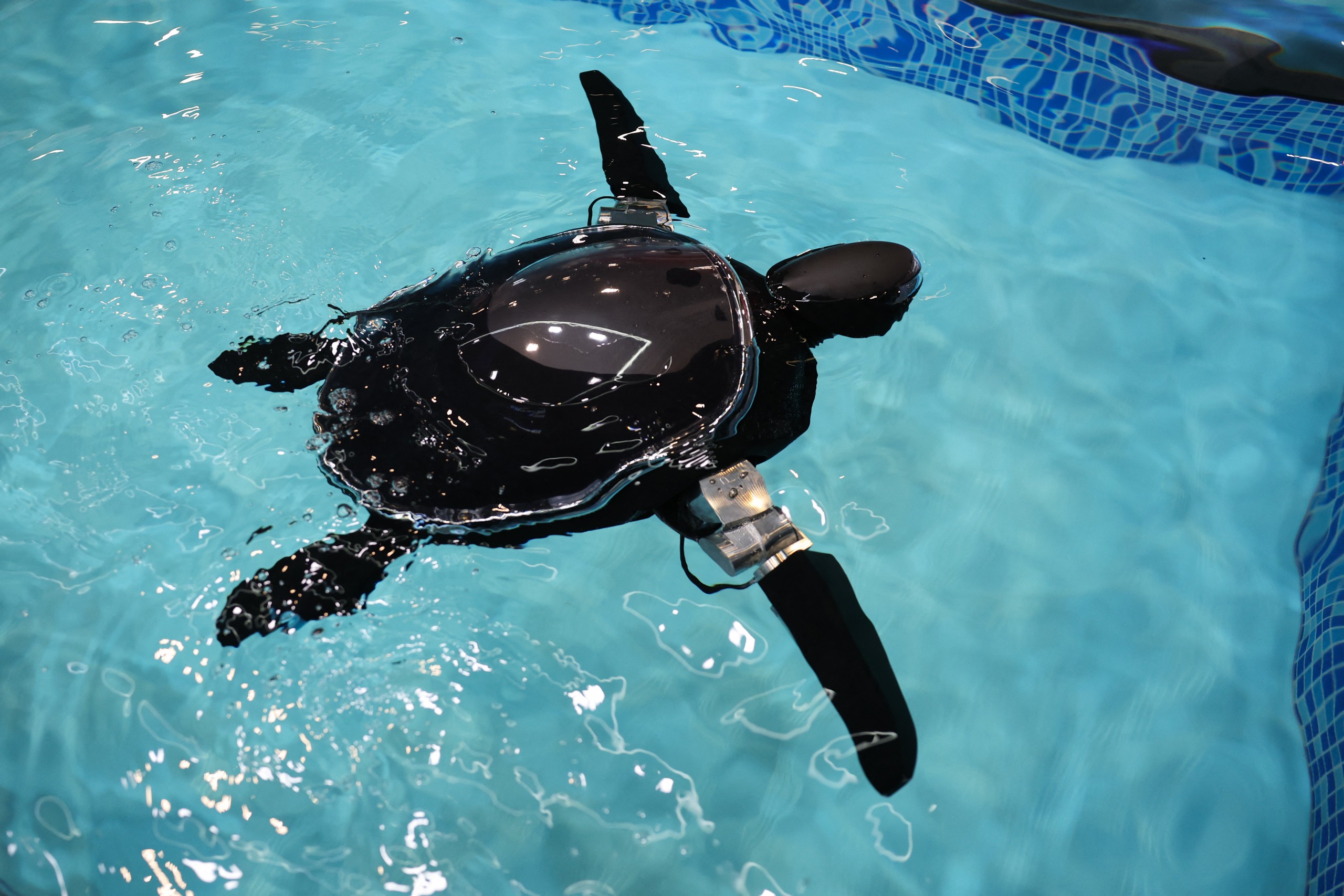
LAS VEGAS, USA – Humanoid robots showcased impressive abilities at this week’s Consumer Electronics Show in Las Vegas, but industry experts are calling for more practical applications rather than flashy demonstrations.
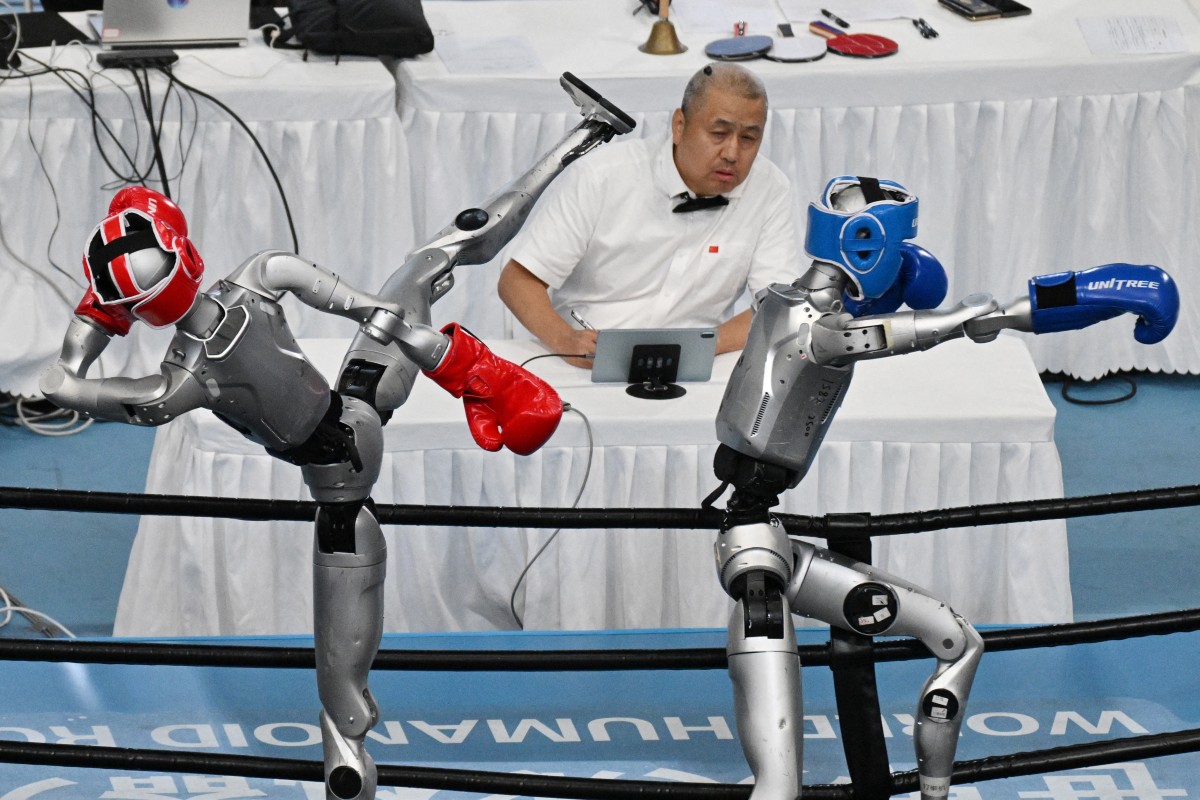
Whilst robots danced, performed somersaults, dealt blackjack and played ping-pong at the annual CES gadget festival, insiders cautioned that making them truly human-like will require several more years and extensive training.
Training challenges hold back progress
The primary obstacle lies in developing AI that can translate visual and auditory input into meaningful actions—a capability that extends beyond current large language models powering tools like ChatGPT.
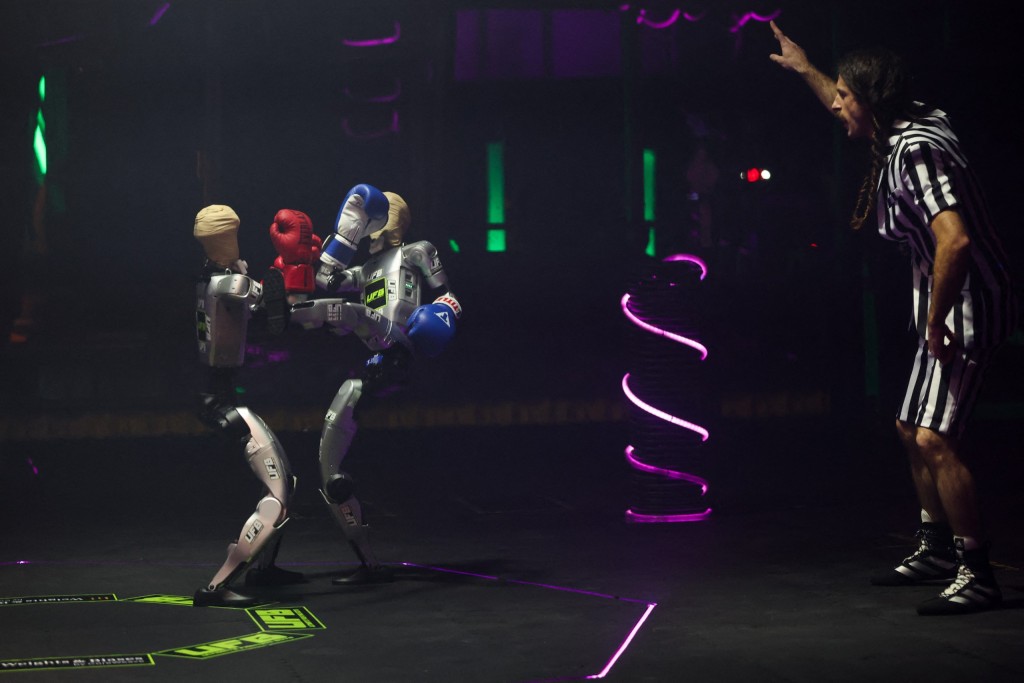
“If you want robots to learn embodied things, you have to put them inside a body,” said Henny Admoni, an associate professor at Carnegie Mellon University’s robotics institute.
Christian Rokseth, founder of Humanoid Guide, compared the current approach to “locking a child in a room and expecting it to learn about the world.”
Despite accelerated development in 2025, particularly on the hardware side, Rokseth expressed frustration with the pace of innovation.
“They’ve shown robots dancing and doing kung fu; now show us that they can be productive,” he said.
Market potential remains strong
According to the Consumer Technology Association, the robotics industry shows significant dynamism and potential, with projections indicating the global market will reach $179 billion by 2030.
The bulk of this growth is expected in factories, warehouses and other business operations, where robots work in controlled environments — though not necessarily humanoid ones.
Evan Yao, founder of Shenzhen-based EngineAI, told AFP his company is collaborating with technology giants including Amazon and Meta to develop AI capabilities for robots.
“We are trying to simulate humans, but the robots will never become human,” Yao explained. “Because a human is emotional and much more.”
South Korean automotive giant Hyundai used CES to unveil Atlas, a humanoid robot developed with Boston Dynamics that it plans to test in factory settings.
Caution advised on autonomy claims
Industry trackers advise scepticism regarding companies claiming to have developed truly autonomous humanoid robots.
“There has been a ton of new companies claiming that they are developing autonomous humanoid robots,” Admoni warned. “These systems tend to be teleoperated; you have a person in a suit or using controllers and every movement of that person is then translated into the robot.”
To address training limitations, new startups are experimenting with methods such as having people wear cameras and haptic gloves whilst performing household chores.
“To make robots general machines, they need to be let out in the real world,” Rokseth concluded, “not just assembly lines or warehouses.”
ALSO READ: Time magazine names ‘Architects of AI’ as Person of the Year


You must be logged in to post a comment.