
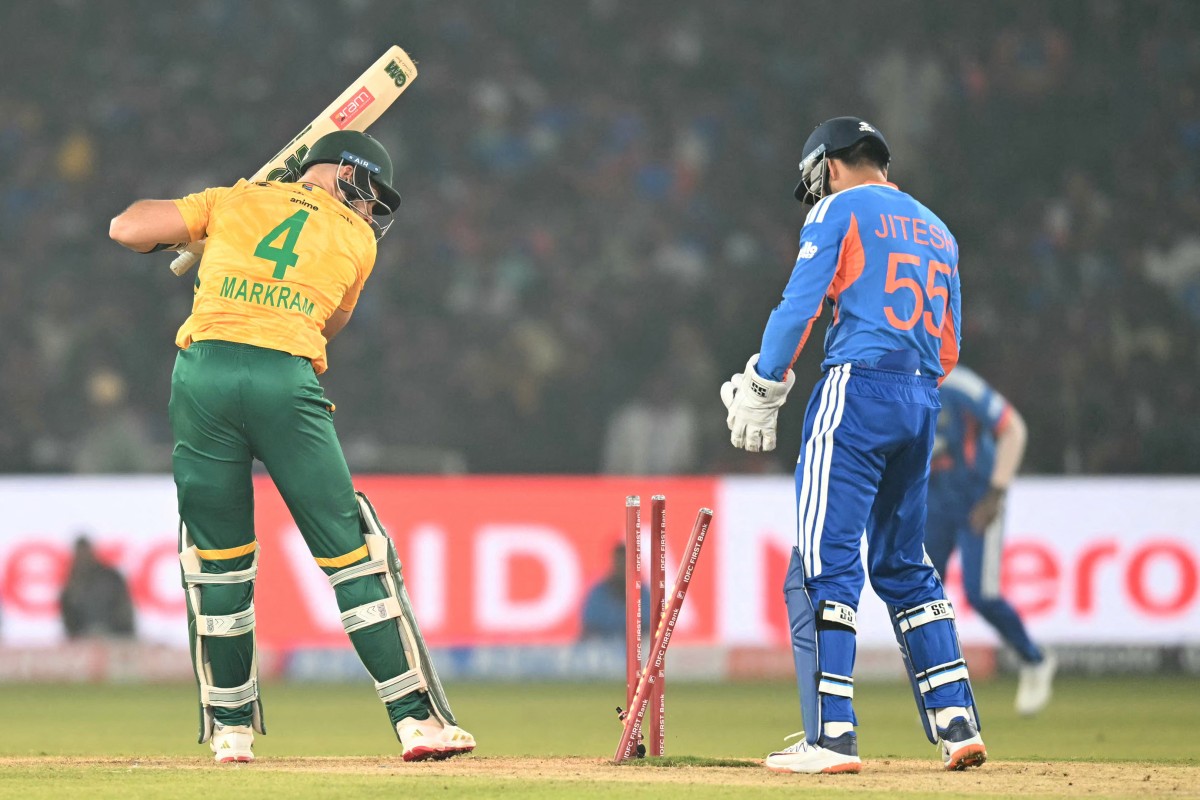
Barabati Stadium in Cuttack witnessed a spectacular display of T20 cricket on Tuesday evening as India comprehensively defeated South Africa by 101 runs in the first T20I.
The match, which began with early jitters for the hosts, transformed into a commanding performance thanks to a magnificent comeback innings from Hardik Pandya, who marked his return to international cricket with an unbeaten 59 off just 28 balls.
Proteas captain Aiden Markram won the toss and elected to field first, a decision that initially appeared vindicated when his bowlers struck early. India endured a shaky start that tested the nerves. Lungi Ngidi dismissed both Shubman Gill and skipper Suryakumar Yadav within the first three overs, leaving the hosts reeling at 17/2.
Vice-captain Gill, making his return after recovering from a neck injury sustained during the Test series, lasted just two deliveries before falling to Ngidi’s accurate bowling. The South African pacer struck again soon after, removing Suryakumar Yadav to compound India’s early troubles.
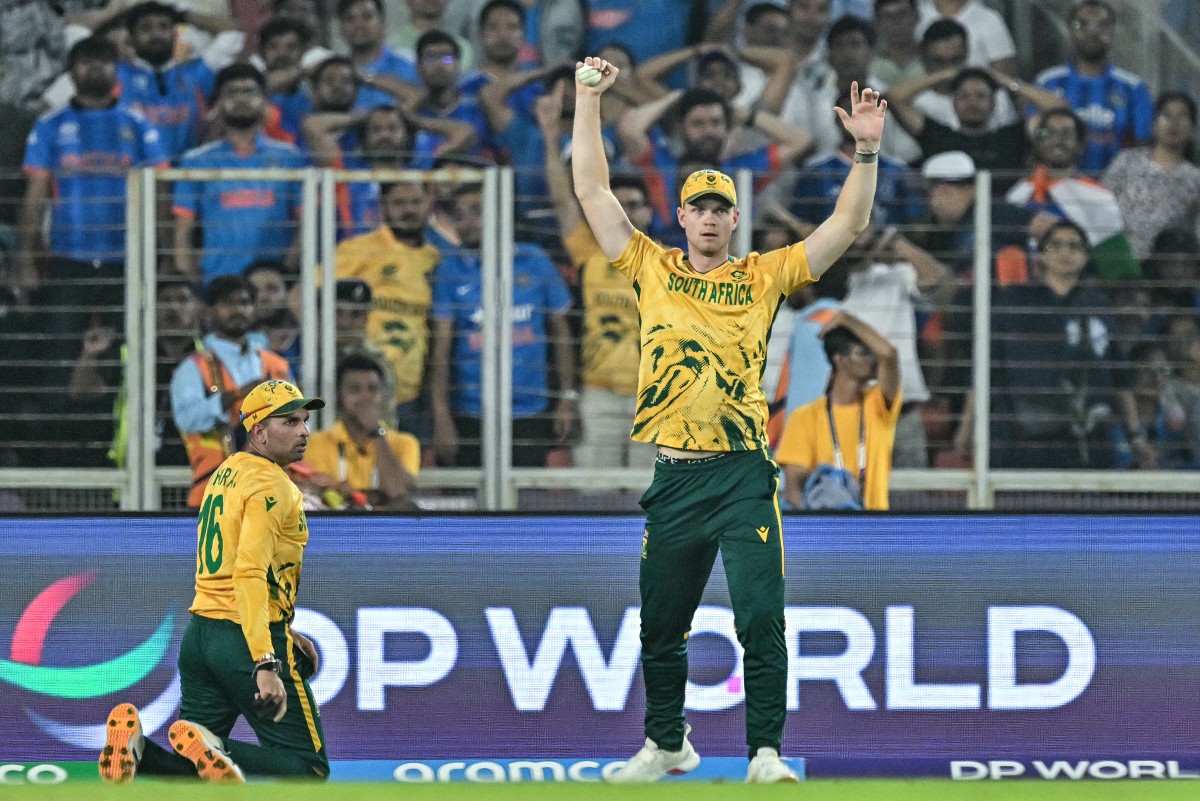
Abhishek Sharma, who has established himself as one of the most destructive T20 batsmen in recent times, provided some resistance with a quickfire 17 off 12 balls, including some delightful boundaries. However, Marco Jansen’s spectacular catch at fine leg off Lutho Sipamla’s bowling cut short his promising knock, reducing India to 48/3.
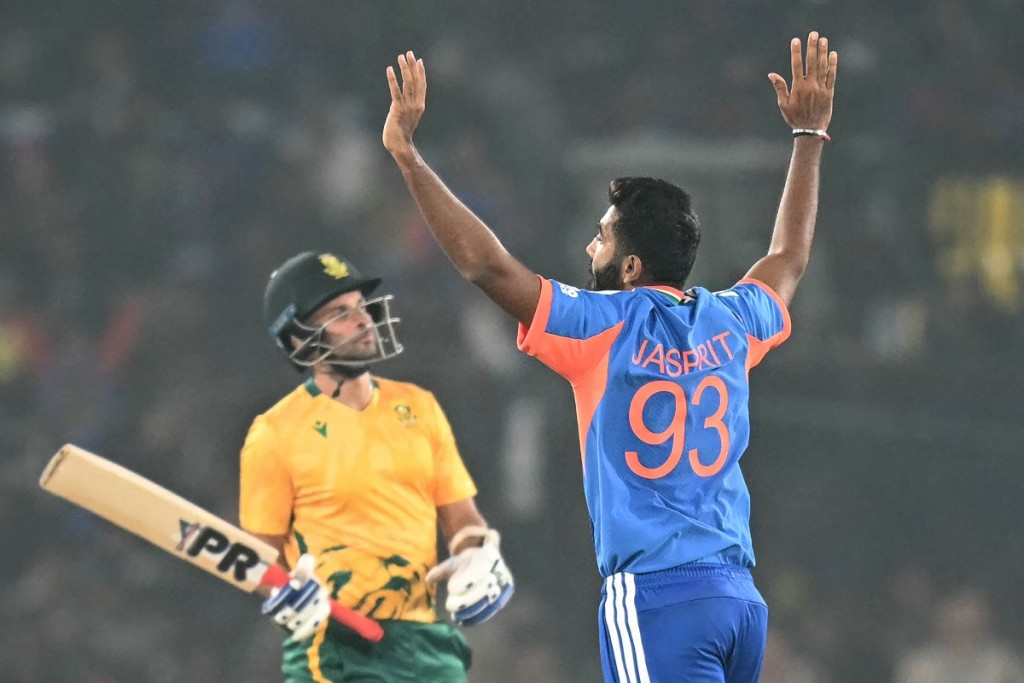
The middle order continued to struggle as Tilak Varma managed 26 off 32 balls and Axar Patel contributed 23 off 21 balls, but neither could build substantial partnerships despite getting starts. At 71/3 after 10 overs, India appeared destined for a below-par total on what seemed a challenging pitch.
Hardik Pandya’s entrance changed everything. The all-rounder, making his much-anticipated return to international cricket after missing the Asia Cup final and the entire Australia tour due to a quadriceps injury, produced an immediate and devastating impact. Pandya announced his intentions early, smashing Keshav Maharaj for two towering sixes in the 13th over. A slog sweep over mid-wicket followed by a powerful hit over long-on. The crowd at Barabati Stadium erupted into chants of “Hardik, Hardik” as the momentum shifted dramatically.
His assault on Anrich Nortje in the 15th over proved particularly brutal, with the all-rounder finding boundaries through power and placement. A crucial 17-run over against Nortje included a magnificent cut shot for four and five extras due to wayward bowling. The defining moment came in the 19th over when Pandya reached his half-century in style, upper-cutting a short delivery from Nortje over third man for a six. The landmark arrived off just 25 balls, showcasing the class and timing that makes him such a valuable asset in white-ball cricket.
Pandya single-handedly lifted India from a modest 104/5 after 14 overs to a competitive 175/6 at the end of 20 overs.
Despite Pandya’s pyrotechnics in the death overs, South Africa’s bowling unit deserves significant credit for their early work. Lungi Ngidi claimed the pick of the bowling figures, finishing with impressive statistics of 3/31 from his four overs. The right-arm pacer’s ability to extract movement and bounce from the pitch troubled the Indian batsmen throughout the powerplay. Marco Jansen provided excellent support with economical bowling, whilst Lutho Sipamla chipped in with crucial wickets. The only blemish in an otherwise disciplined bowling performance came from the treatment Anrich Nortje received in the closing stages, where his extra pace seemed to aid the batsmen rather than trouble them.
South Africa’s reply never gained momentum whilst chasing 176. Arshdeep Singh, India’s left-arm pacer, struck with the very first ball of the innings. Quinton de Kock, the experienced opener, lasted just two balls before edging a delivery that angled away to Abhishek Sharma at second slip. The dismissal set the tone for what became a procession of wickets.
Arshdeep Singh continued his excellent work, claiming his second wicket when the umpire’s original not-out decision for Tristan Stubbs was overturned following a successful DRS review. The left-arm pacer’s understanding of swing and seam movement proved too much for the South African top order.
Captain Aiden Markram briefly threatened with some attractive stroke-play, including a magnificent six off Jasprit Bumrah that resembled a helicopter shot. However, Axar Patel ended his stay with the very first delivery of his spell, a skidder that beat him on the inside edge to crash into leg stump. The middle order offered little resistance, with David Miller falling to Hardik Pandya for just 1, caught behind by wicketkeeper Jitesh Sharma.
South Africa found themselves reeling at 68/6, with only Dewald Brevis showing any resistance. Brevis, who has emerged as one of the most destructive T20 batsmen globally against spin, tried to rebuild but lacked support from the other end. His 22 off 19 balls included some positive strokes, but wickets continued to fall at regular intervals.
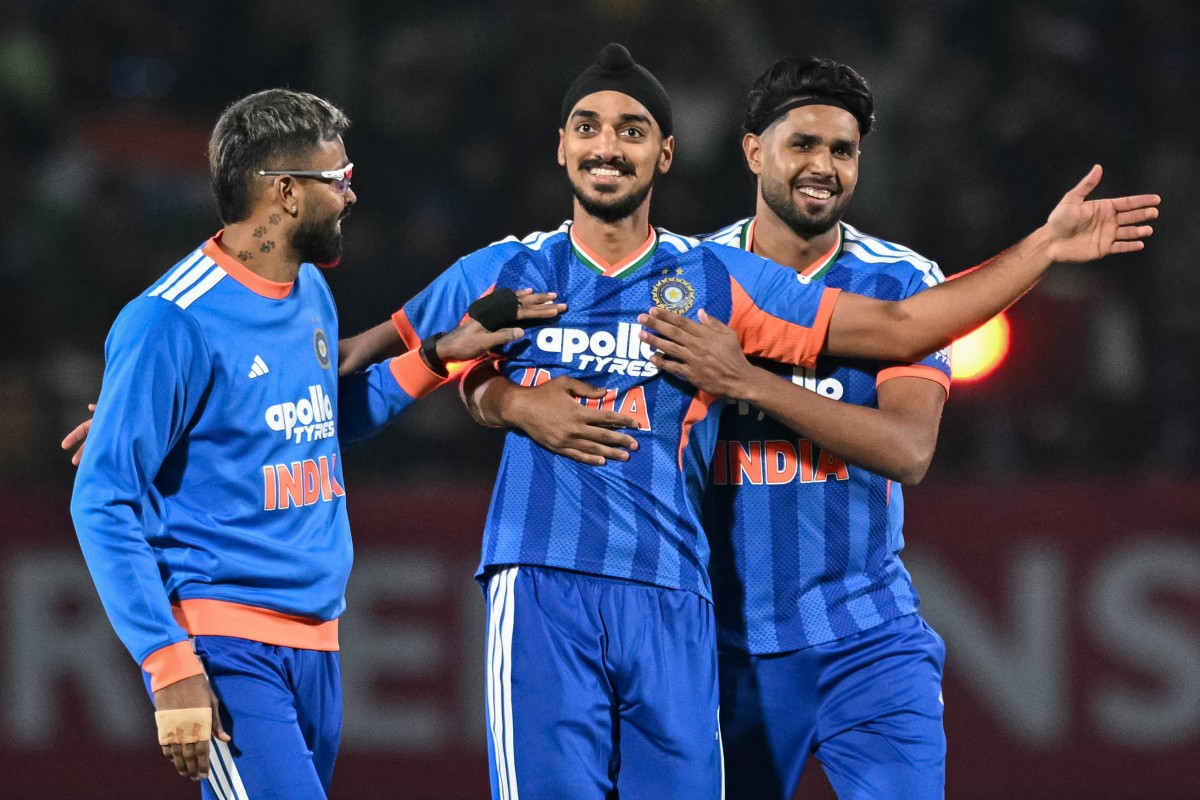
India’s bowling attack executed their plans clinically. Arshdeep Singh’s new-ball spell proved exemplary, as he picked up 2/14 from his two overs. His ability to move the ball both ways and generate extra bounce troubled the South African batsmen consistently. Jasprit Bumrah, returning to T20 cricket after being rested for the ODI series, bowled economically, his mere presence seemed to pressure the batting lineup.
The spinners, Varun Chakaravarthy and Axar Patel, proved equally effective. Chakaravarthy’s variations defeated Marco Jansen comprehensively, whilst Axar’s wicket of Markram provided a crucial breakthrough that effectively ended any hopes of a South African recovery.
Jitesh Sharma enjoyed an excellent day behind the stumps, taking four dismissals to equal the record for most dismissals by an Indian keeper in a T20 match. South Africa’s total of 74 represented their sixth-lowest in T20 cricket and their lowest against India in this format.
Captain Markram will need to regroup his team quickly for the second T20.



You must be logged in to post a comment.