

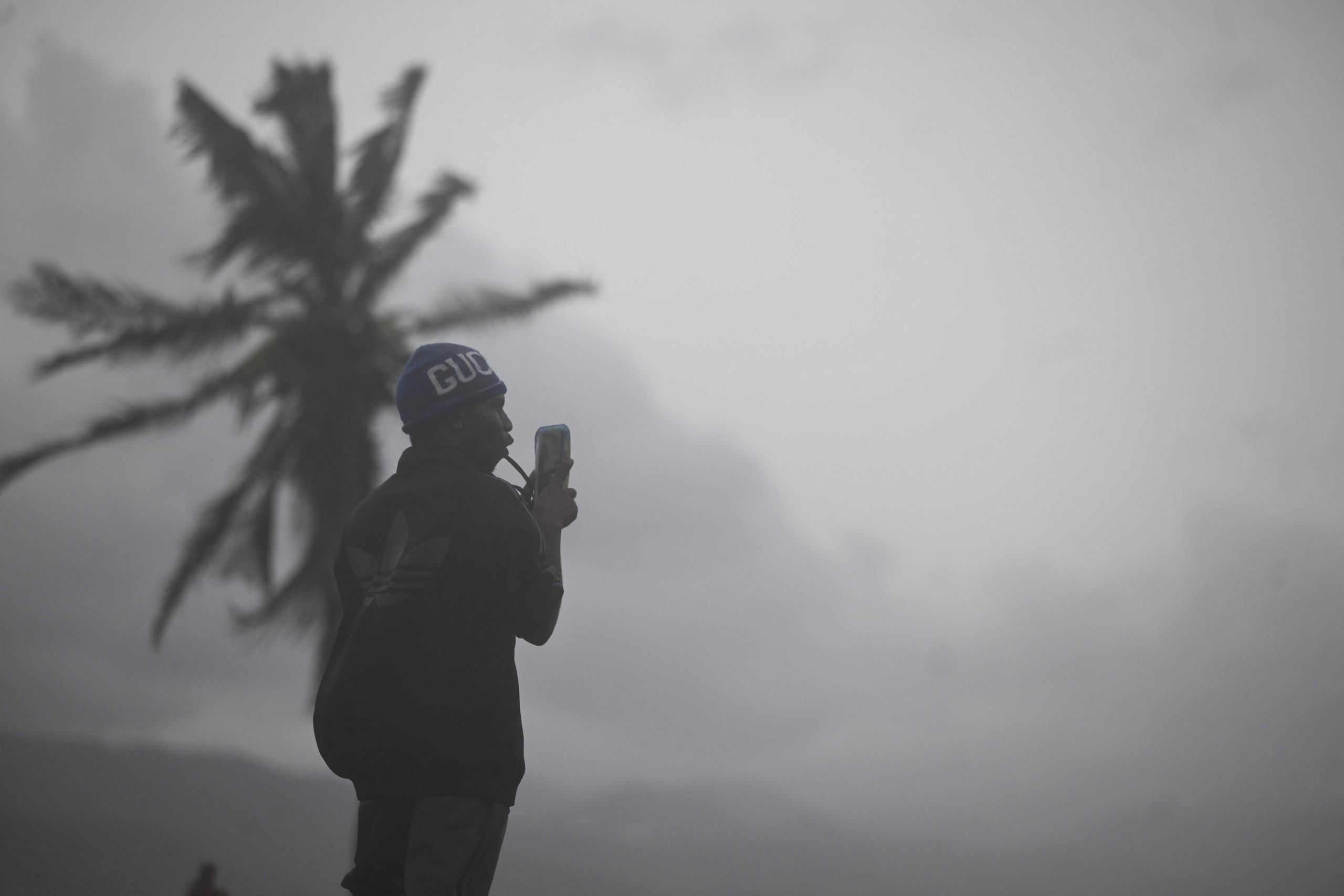
KINGSTON, Jamaica – Jamaican officials issued urgent evacuation orders Monday as Hurricane Melissa, a catastrophic Category 5 storm, bore down on the island with maximum sustained winds of 175 mph, threatening what could be the most devastating hurricane in the nation’s recorded history.
Prime Minister Andrew Holness warned that the storm could bring “massive devastation” comparable to historic hurricanes Maria and Katrina, which devastated Puerto Rico in 2017 and New Orleans in 2005, respectively.
“I don’t believe there is any infrastructure within this region that could withstand a category 5 storm, so there could be significant dislocation,” Holness told CNN, referring to Jamaica’s western parishes that face the worst destruction.
The storm, located 150 miles southwest of Kingston as of late Monday, has already claimed seven lives across the Caribbean — three each in Jamaica and Haiti, and one in the Dominican Republic.
Evacuation orders meet resistance
Despite urgent pleas from officials, many Jamaicans are refusing to evacuate. Local Government Minister Desmond McKenzie reported that only 133 of the island’s 880 emergency shelters were housing evacuees Monday evening.
“I want to urge persons in these parishes to get to high ground as quickly as possible,” McKenzie said.
However, residents like Roy Brown, a plumber and tiler in Kingston’s seaside Port Royal area, are choosing to stay put.
“I am not moving. I don’t believe I can run from death,” Brown told reporters, citing poor conditions at government hurricane shelters as a reason for his reluctance to evacuate.
Fisherwoman Jennifer Ramdial echoed similar sentiments: “I just don’t want to leave.”
Prime Minister Holness emphasized that evacuation efforts serve “the national good of saving lives,” telling residents: “You have been warned. It’s now up to you to use that information to make the right decision.”
Slow-moving catastrophe
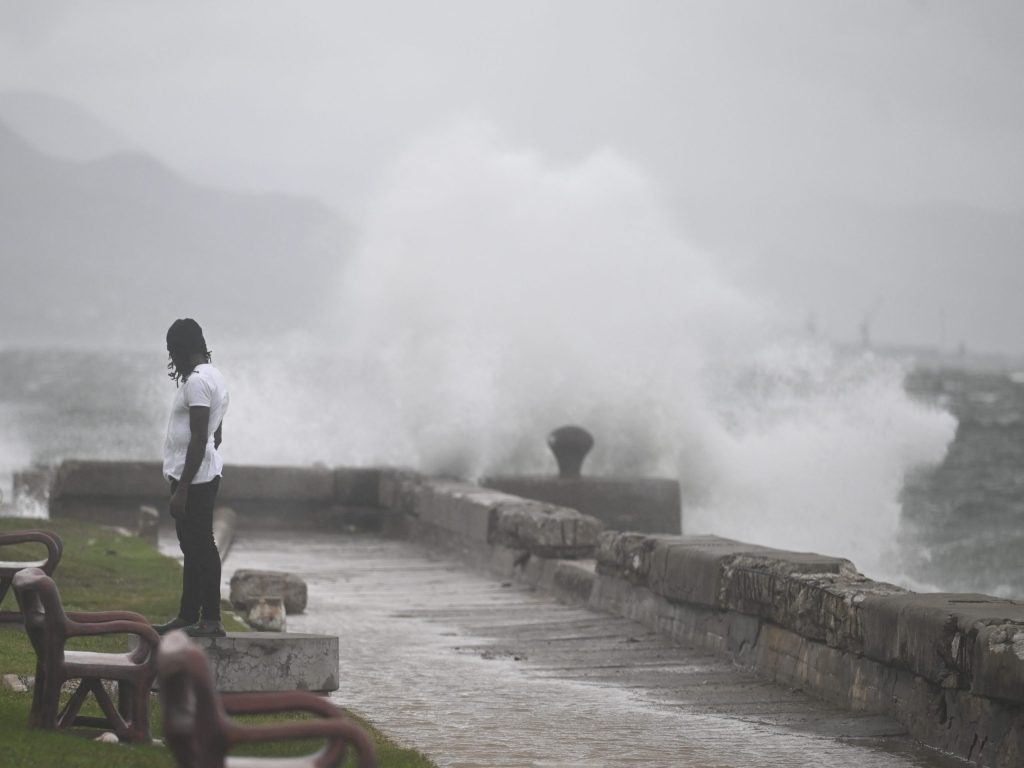
Melissa’s destructive potential is amplified by its glacial pace – moving at just three miles per hour, slower than most people walk. This means areas in the storm’s path will endure punishing conditions far longer than during typical hurricanes.
The U.S. National Hurricane Center has warned of “catastrophic” flash flooding, landslides, and destructive winds that could cause lengthy power and communications outages along with “extensive infrastructural damage.”
Forecasters predict up to 40 inches of rainfall across Jamaica, Haiti, the Dominican Republic, and Cuba, with flash flooding and landslides expected throughout the region. Jamaica’s southern coast faces a potentially devastating storm surge of up to 13 feet, accompanied by destructive waves.
In the farming community of Flagaman, St. Elizabeth, residents have taken shelter in local businesses. Store owner Enrico Coke opened his establishment to neighbors, saying: “I’m concerned about farmers, the fishermen will be suffering after this. We’ll need help as soon as possible, especially water for the people.”
The storm has already proven deadly during preparations. Jamaican officials reported three fatalities Monday from people preparing for the hurricane – cutting tree branches and working on ladders. In the Dominican Republic, a 79-year-old man died after being swept away in a stream, with a 13-year-old boy still missing. Haiti’s civil protection agency reported three additional storm-related deaths over the weekend.
Climate change connection
Scientists link the increasing frequency and intensity of such massive storms to human-driven climate change. Meteorologist Kerry Emanuel noted that global warming is causing more storms to rapidly intensify like Melissa, significantly increasing rainfall potential.
“Water kills a lot more people than wind,” Emanuel warned.
After battering Jamaica, Melissa is forecast to cross eastern Cuba Tuesday night. The last major hurricane to impact Jamaica was Beryl in July 2024, an abnormally strong storm for that time of year.
As Jamaica braces for potentially historic destruction, the slow-moving monster storm serves as a stark reminder of the increasing threat climate change poses to Caribbean nations.
ALSO READ: Storm Amy claims two lives in northern France as violent winds batter region



You must be logged in to post a comment.