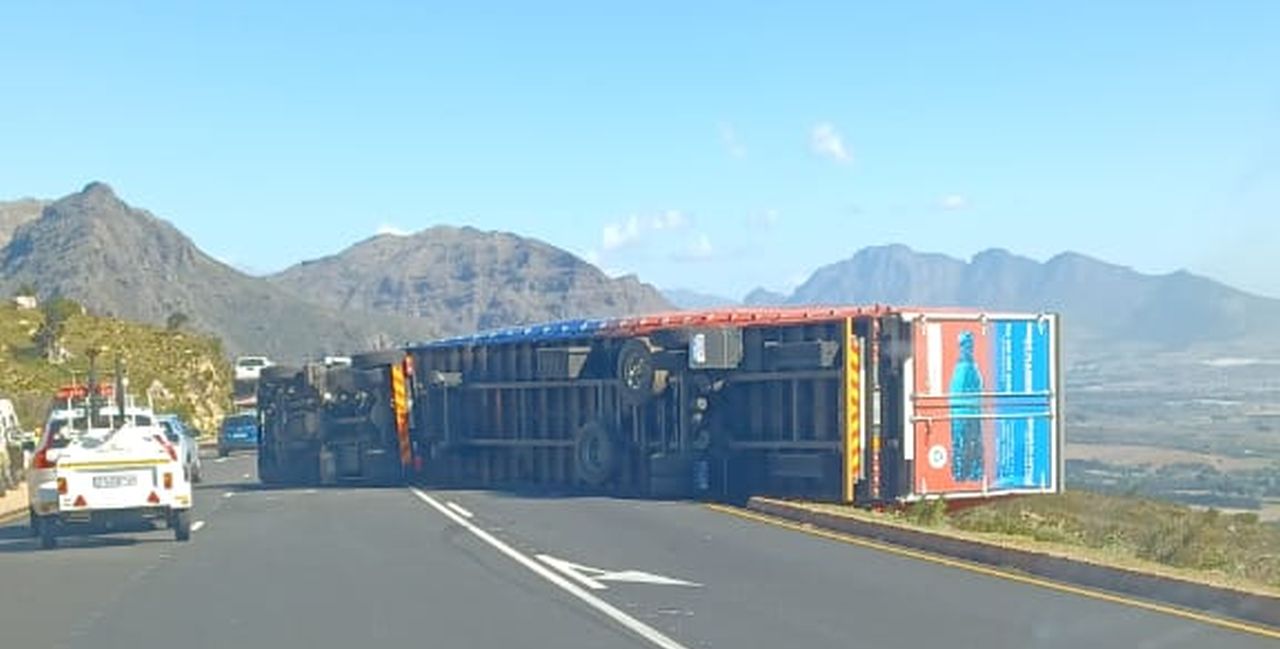
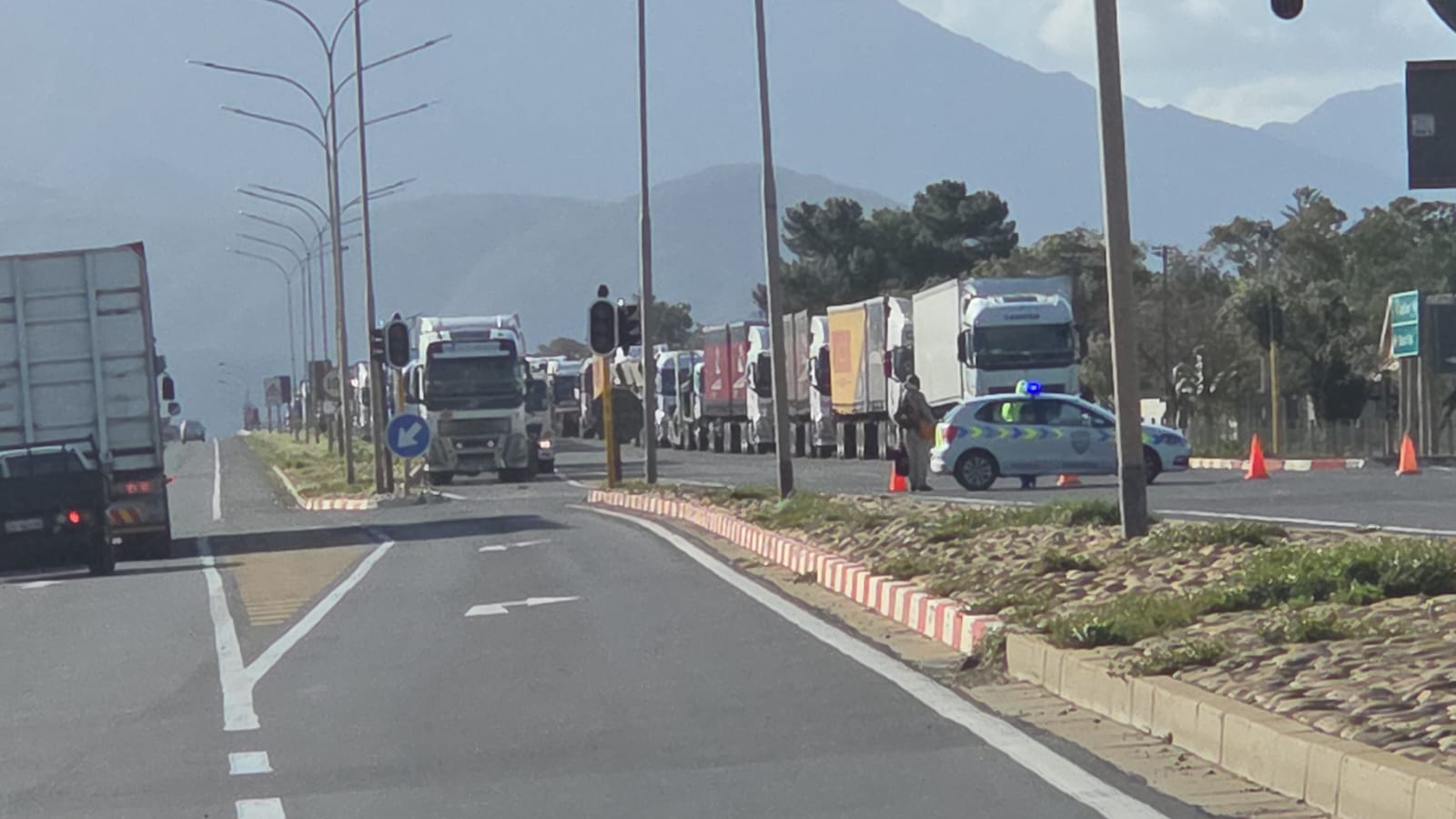
The Huguenot Tunnel, one of the Western Cape’s most critical transport arteries, remained closed for a third day following extensive damage caused by a bus fire on Friday evening, leaving thousands of motorists facing significant delays and forcing traffic onto already strained alternative routes.
Engineering and maintenance teams continue to assess the full extent of the damage to the tunnel infrastructure, but officials have been unable to provide a definitive timeline for when the crucial link between Cape Town and the province’s interior will reopen.
The closure couldn’t have come at a worse time for the province’s road network. With school holidays underway, traffic volumes were already elevated across major routes before the incident occurred. Now, the forced rerouting of traffic through alternative passes has created a cascading effect of congestion that is rippling across the entire regional transport network.
“We understand that the closure of the Huguenot Tunnel is causing significant delays, which is also impacting alternative routes such as the Du Toitskloof Pass,” said Western Cape Mobility Minister Isaac Sileku. “This is very unfortunate. But we are appealing for patience and urge all motorists to plan their journeys carefully, allowing for extra travel time.”
The Provincial Traffic Law Enforcement teams have identified several alternative routes, but each comes with its own limitations and challenges:
For light motor vehicles:
- The Worcester-Wolseley-Wellington-Paarl route via the N1
- Bainskloof Pass (light vehicles only)
- The R101 Du Toitskloof Pass, currently operating under stop-and-go conditions
Heavy motor vehicle restrictions:
The situation is particularly challenging for commercial transport, with heavy motor vehicles facing significant restrictions. The R46 route through Franschhoek Pass has a 15-meter length limit, while Theronskloof Pass has been flagged as problematic due to poor signal coverage and a history of heavy vehicle breakdowns.
The tunnel closure is having far-reaching implications beyond simple travel inconvenience. The route serves as a vital economic corridor, connecting Cape Town’s port and industrial areas with the agricultural regions of the Breede River Valley and beyond. The disruption threatens to impact everything from fresh produce deliveries to tourism operations during what should be a busy holiday period.
The Western Cape Mobility Department has deployed additional traffic officers along alternative routes and erected comprehensive road signage to guide motorists. Radio and tunnel control centers remain operational to provide real-time updates:
- Radio Control: 021-931 1646 / 021-931 3302
- Tunnel Control: 021-877 5400
Sileku stated the importance of using the N2 route where possible, as other alternative routes are also experiencing significant congestion. “Our traffic officers are on duty to assist road users and maintain safety, but we appeal to every driver to be courteous and exercise caution.”
As the closure extends into what could be at least a week-long disruption, authorities are working around the clock to assess the damage and develop a repair timeline.
For now, motorists are advised to allow for significantly extended travel times, consider postponing non-essential journeys, and remain patient as the province works through what has become a significant transport disruption.
Updates will continue to be shared through official channels as the assessment of the tunnel damage progresses and repair plans are developed.
ALSO READ: N1 Huguenot Tunnel remains closed this week for emergency repairs