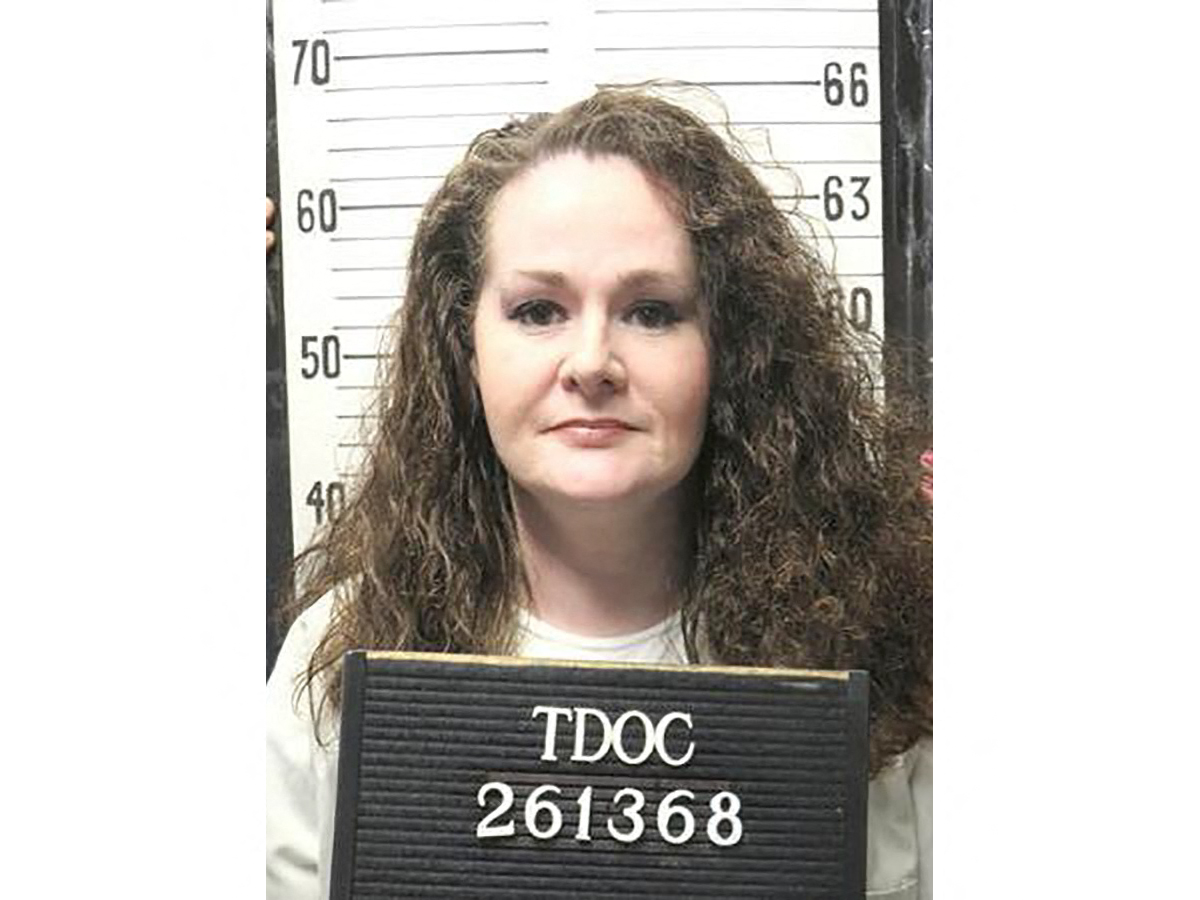
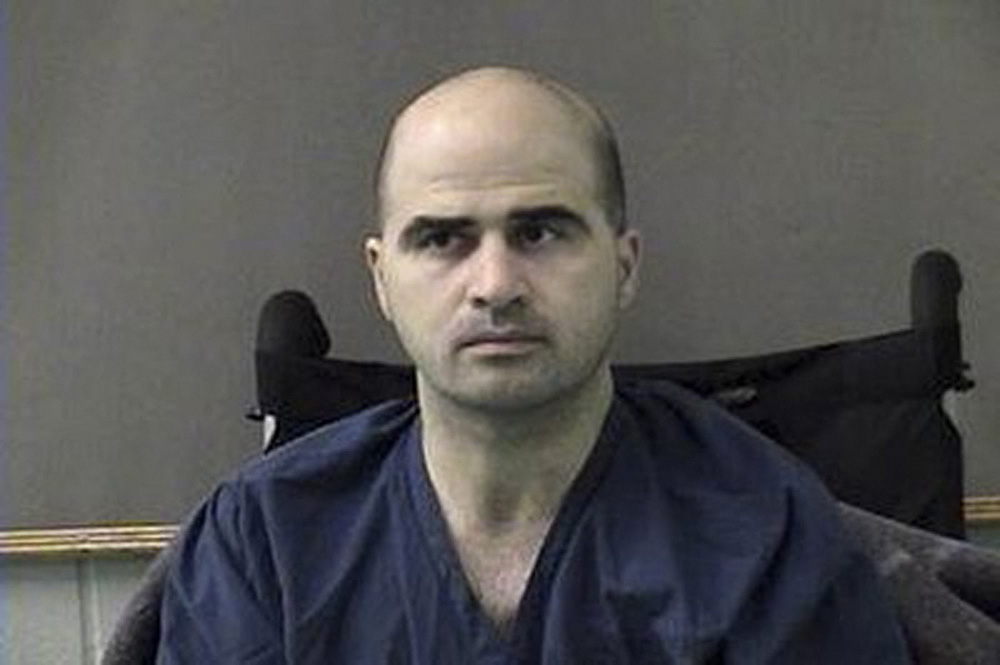
Two shocking incidents have pushed America’s death penalty debate back into the spotlight: a woman who survived her own execution and plans to broadcast a military killing live on television.
Christa Pike (50) made history last month when she became the first person to survive a lethal injection attempt in the United States. The Tennessee death row inmate now recovers in a prison hospital while authorities consider whether to try killing her again.
Robin Maher, director of the nonprofit Death Penalty Information Center, told AFP the failed execution raises uncomfortable questions for Americans.
“It’s very hard for people to understand how something like this could have happened in the United States, and it’s even harder to imagine that a second execution attempt could be made for this woman,” Maher said.
Live broadcast scrapped after backlash
The second controversy involved Nidal Hasan (56), who shot and killed 13 people at Fort Hood, Texas, in 2009.
US Defense Secretary Pete Hegseth announced Hasan would face a military firing squad on 3 December, the first such execution since 1945. The Pentagon planned to broadcast the killing live until President Donald Trump cancelled the idea after public outcry.
“My intuition was that this would not sit well with the American public, and that people would turn away from such a spectacle,” Maher told AFP.
Maher argues these high-profile cases distract from the core question: should the United States use capital punishment at all?
“These are questions that I think the American public needs to grapple with more meaningfully than how we are going to kill people,” she said.
ALSO READ: Woman who survived failed US execution, now conscious and talking
All execution methods fail
The death penalty expert warns against searching for new killing methods, pointing out that every approach has failed.
“What we know about all the methods is that they will be botched as long as there are human beings operating behind the scenes. There will be mistakes, and we’ve seen that with everything from the firing squad to hanging to lethal injection to nitrogen gas,” she said.
Maher sees a growing gap between what politicians do and what Americans want.
“We have elected officials who are setting executions, and really that’s an indicator of what was happening 30 years ago,” she explained, citing Pike as an example.
ALSO READ: UN says livestreamed execution of US army killer amounts to torture
Public opinion shifts away from executions
Pike received her death sentence more than 30 years ago, when Americans supported capital punishment at much higher rates and courts handed down more than 300 new death sentences every year. Last year, courts issued just 23 death sentences.
Younger Americans increasingly oppose the death penalty, Maher said, driven by several factors.
“We’ve seen a big change in public opinion, largely because we’ve seen more than 200 people exonerated from death row, and the inaccuracy, the racism, the unfairness of so many trials, so many appeals, I think has really resonated with the American public,” she said.
The traditional arguments supporting executions have crumbled, leaving only one justification.
“So many of the things that once propped up use of the death penalty have fallen away, and we’re left simply with the idea that this is retribution. And for some Americans, that’s enough. For many more, it is not,” Maher said.
ALSO READ: Florida executes man who spent nearly 50 years on death row