

From pavement soup kitchens to thriving market stalls, community food gardens across the Western Cape are becoming engines of local economic growth.
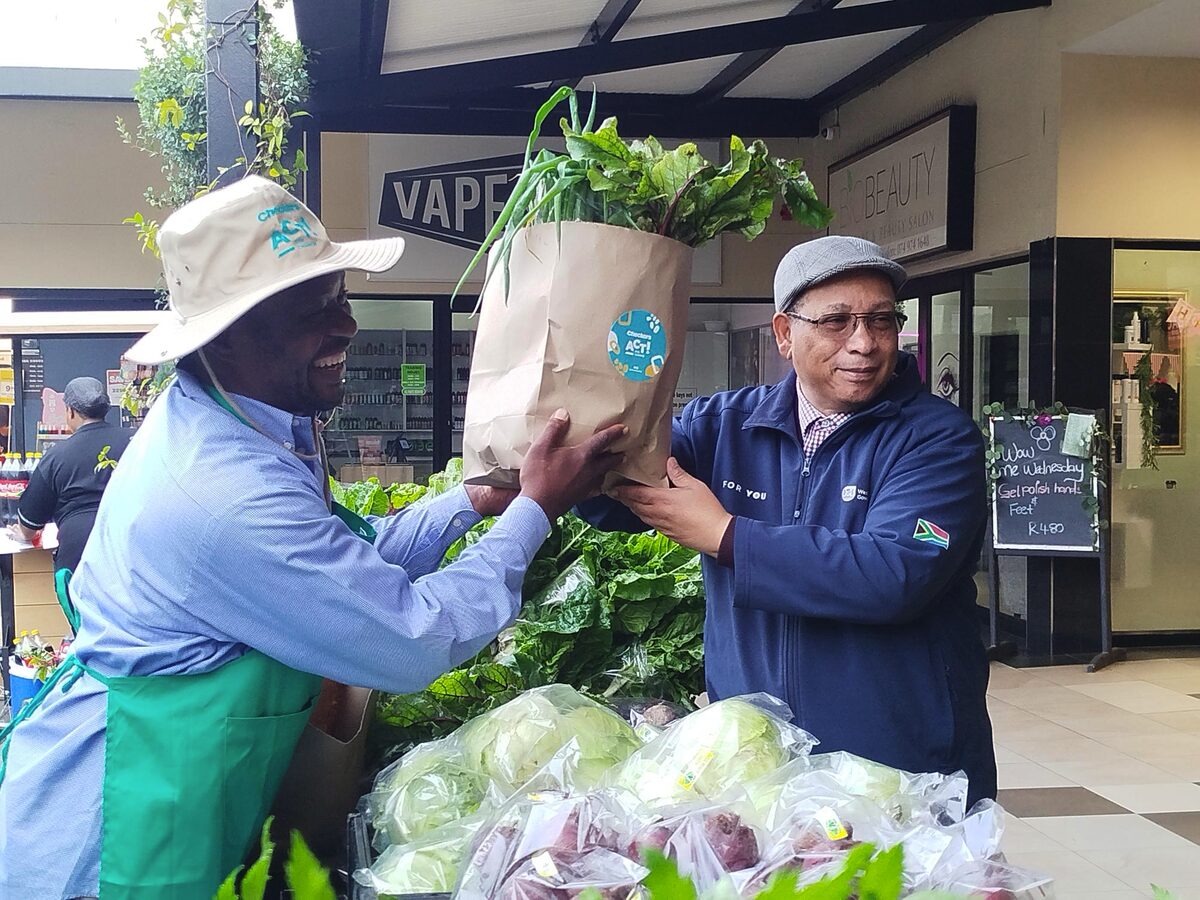
Western Cape Minister of Agriculture, Economic Development and Tourism, Dr Ivan Meyer, last week lent his support to two Market Day activations in Cape Town – at Shoprite Westgate Mall in Mitchells Plain and Checkers Protea Heights in Brackenfell – where community gardeners showcased their produce and sold fresh vegetables directly to the public.
The Market Day initiative sits at the heart of the Shoprite Group’s Act For Change community food garden programme, a platform designed to uplift local growers by opening doors to income generation, while at the same time confronting food security.
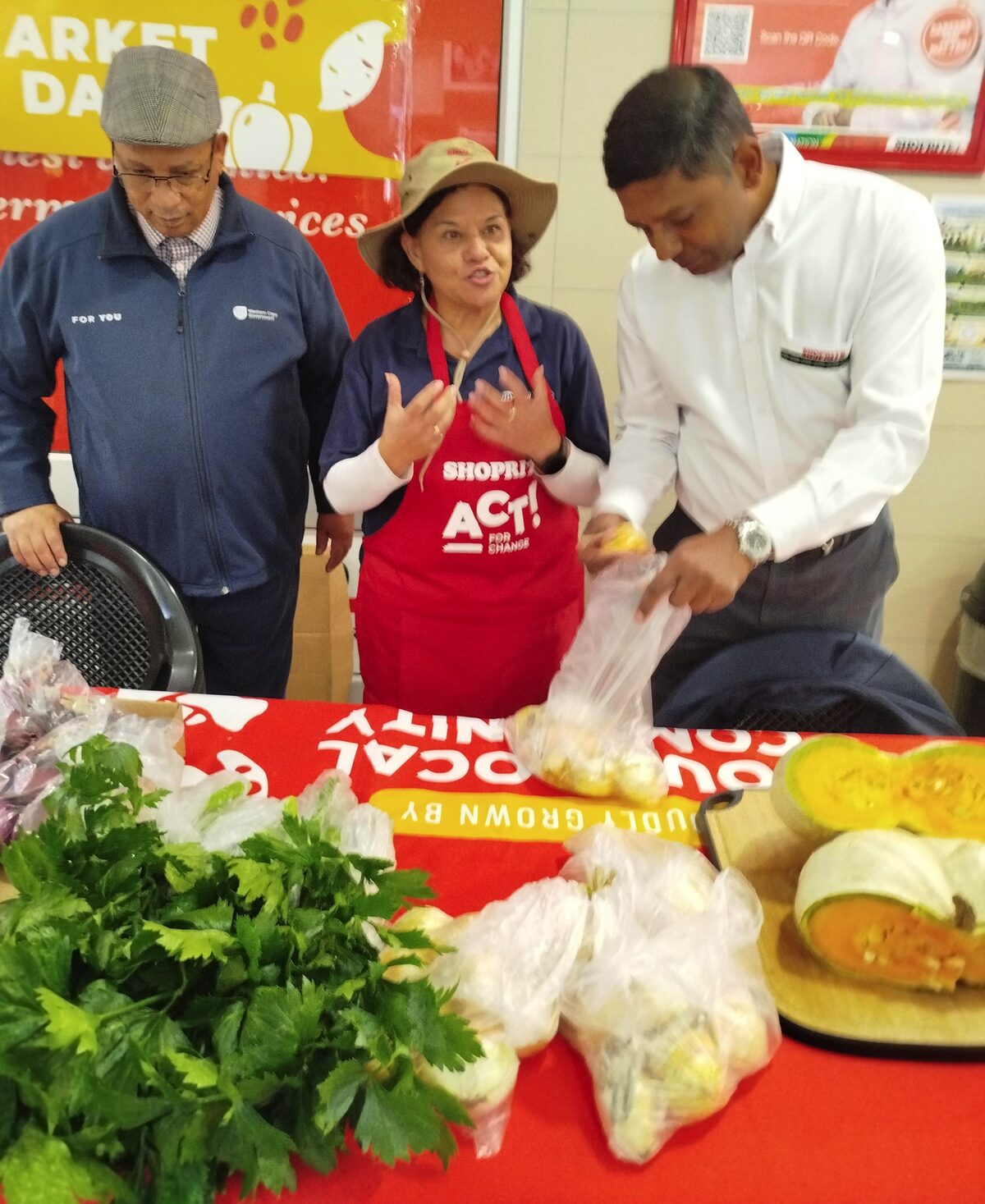
During his visits, Meyer engaged with community gardeners, commended their efforts, and highlighted the importance of partnerships between the private sector, non-profit organisations, faith-based initiatives, and government in addressing food insecurity.
“These initiatives demonstrate how collaboration can create meaningful opportunities for local communities. By supporting community food gardens, we are not only improving food security but also enabling economic participation,” said Minister Meyer.
Church under a tree
One such community food garden is the Jesus in Action (JiA) Our Garden at Brackenfell Train Station, which is making a meaningful difference in its local community. The garden provides fresh produce while also creating opportunities for skills development and community upliftment for the homeless people living next to the railway.
JiA began beneath a tree. It was founded in 2010 as a street ministry at the train station with nothing more than a cup of soup and a piece of bread shared with the homeless. Thus, the “Church under the Tree” was born. For seven years, it served as a soup kitchen and a gathering place where dignity was restored.
In time, the ministry planted roots in a more literal sense, establishing Our Garden before finding a permanent home in a nearby derelict railway goods shed. Now beautifully renovated, the shed is now known as The Lazarus Shed, a name that speaks for itself. When the pandemic arrived the garden managed to feed 140 homeless people.
“As a community we took responsibility together to convert the train station into a beacon of light. We have come to realize that doing something positive like tilling the soil and planting is a strong counter to the ‘broken window’ syndrome. People are less likely to scatter papers where there are organic vegetables or a beautiful flower growing,” says Ettiene Pio from JiA about the motivation behind the garden project.
This project is not just about growing food. It is about restoring dignity and supporting our community with both nutrition and opportunities.
The team at Our Garden consists of volunteer gardeners from the community and a group of homeless people. On Sunday afternoons, lunches are prepared using produce from the garden and served to the homeless after a church service, while crops from the garden sustain gardeners and are distributed to beneficiary organisations and needy families.
ALSO READ: Where nature meets community: How KOS Gardens is feeding hope in Kraaifontein
Our Garden consists of a hundred organic vegetable beds among the railway lines, and depending on the season grows cultivars such as spinach, cauliflower, cabbage, beetroot, celery, potatoes, spring onions, radish, tomatoes and beans.
In 2023, Our Garden applied to be part of the Market Day initiative and started selling its organically grown vegetables directly to the public at the Checkers Protea Heights Market Day.
Pastor Gabriel Kyunga of JiA highlighted the impact of the initiative, “This project is not just about growing food. It is about restoring dignity and supporting our community with both nutrition and opportunities. Market Day gives us a platform to share our harvest with the public and sustain the work we are doing at the grassroots level.”
Skills that last
Another community garden supported by the program is the New World Foundation (NWF), based in Vrygrond, which plays a critical role in equipping local communities with the knowledge and skills to produce organically grown vegetables. Through training programmes and hands-on support, NWF empowers community gardeners to adopt sustainable agricultural practices.
Erica Jacobs, director at the New World Foundation, said, “We are committed to equipping communities with the skills to grow organic, nutritious food in a sustainable way. Programmes like Market Day create real opportunities for our growers to earn an income, while also strengthening food security and self-reliance within their communities.”
The minister interacted with participating gardeners, learning more about their produce which includes fresh vegetables and herbs, and how the combined support from partners such as Shoprite has contributed to household incomes and community resilience.
The Act for Change programme provides essential support such as training, resources, and access to retail platforms, helping small-scale growers transition into viable micro-enterprises. Market Day serves as a crucial platform for these gardeners to reach customers and showcase the quality of locally grown produce.
Sanjeev Raghubir, Chief Sustainability Officer at Shoprite, says the Act for Change community food gardens programme currently supports 319 gardens countrywide by providing agricultural resources and enabling market access.
“Through initiatives such as Market Day, participants are also exposed to key aspects of commercial retail, including pricing, quality standards, merchandising, customer engagement, volume planning, and operational discipline. This holistic approach helps equip community growers with the skills needed to succeed in formal retail environments.”
Building a resilient province
Meyer emphasized that initiatives like these align with the Western Cape Government’s broader objectives of promoting inclusive economic growth and strengthening food systems across the province.
“Entrepreneurship is a cornerstone of the Western Cape Government’s Growth for Jobs Strategy, which recognises that sustainable job creation is driven by enabling individuals and small businesses to participate meaningfully in the economy. Programmes such as Act For Change play a vital role in supporting emerging entrepreneurs, especially at the grassroots level, by providing the tools, skills, and market access needed to build viable enterprises. This is exactly how we unlock inclusive growth and create opportunities where they are needed most,” said Meyer.
“Empowering communities to grow, sell, and sustain their own food resources is key to building a more resilient Western Cape,” he added.