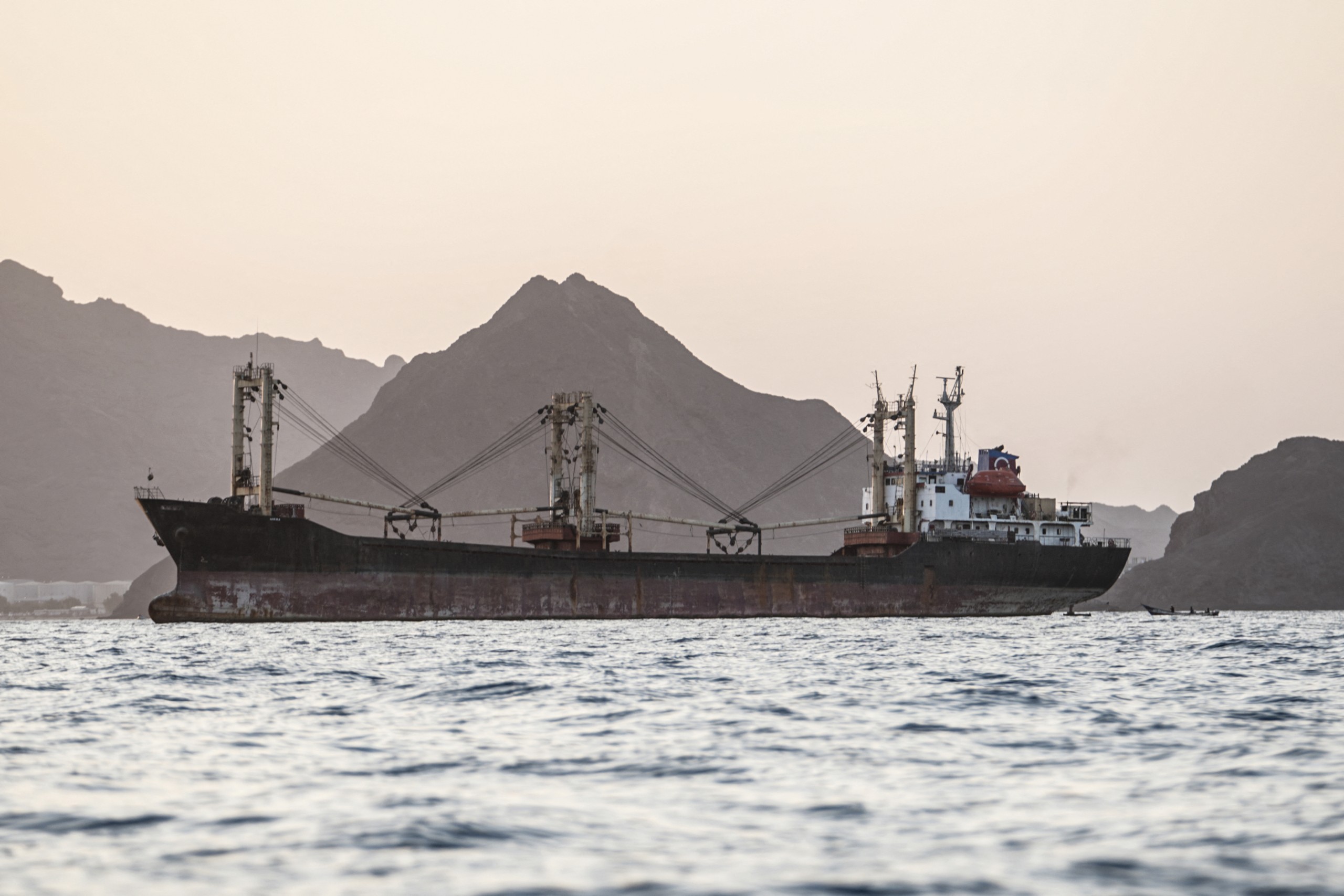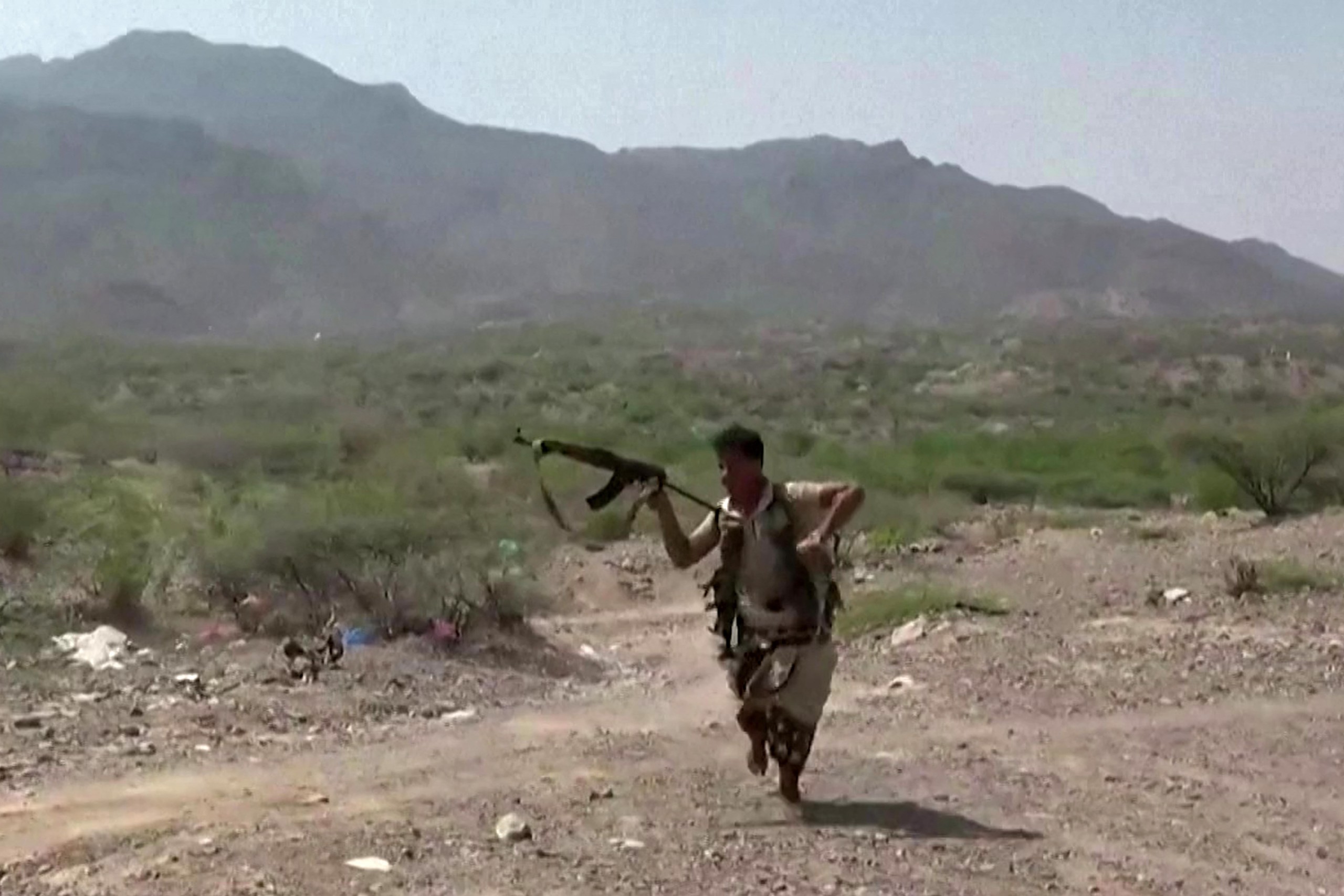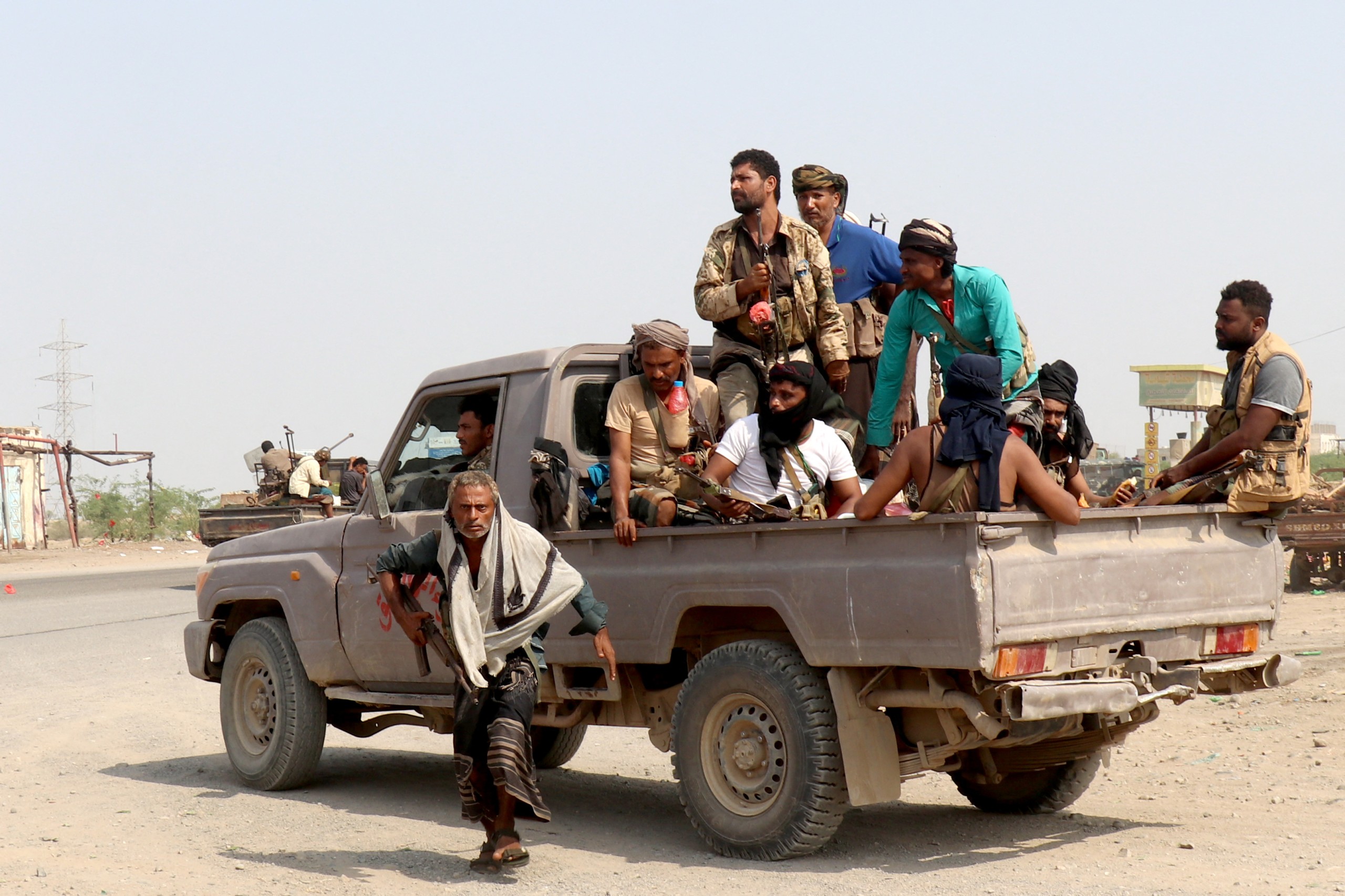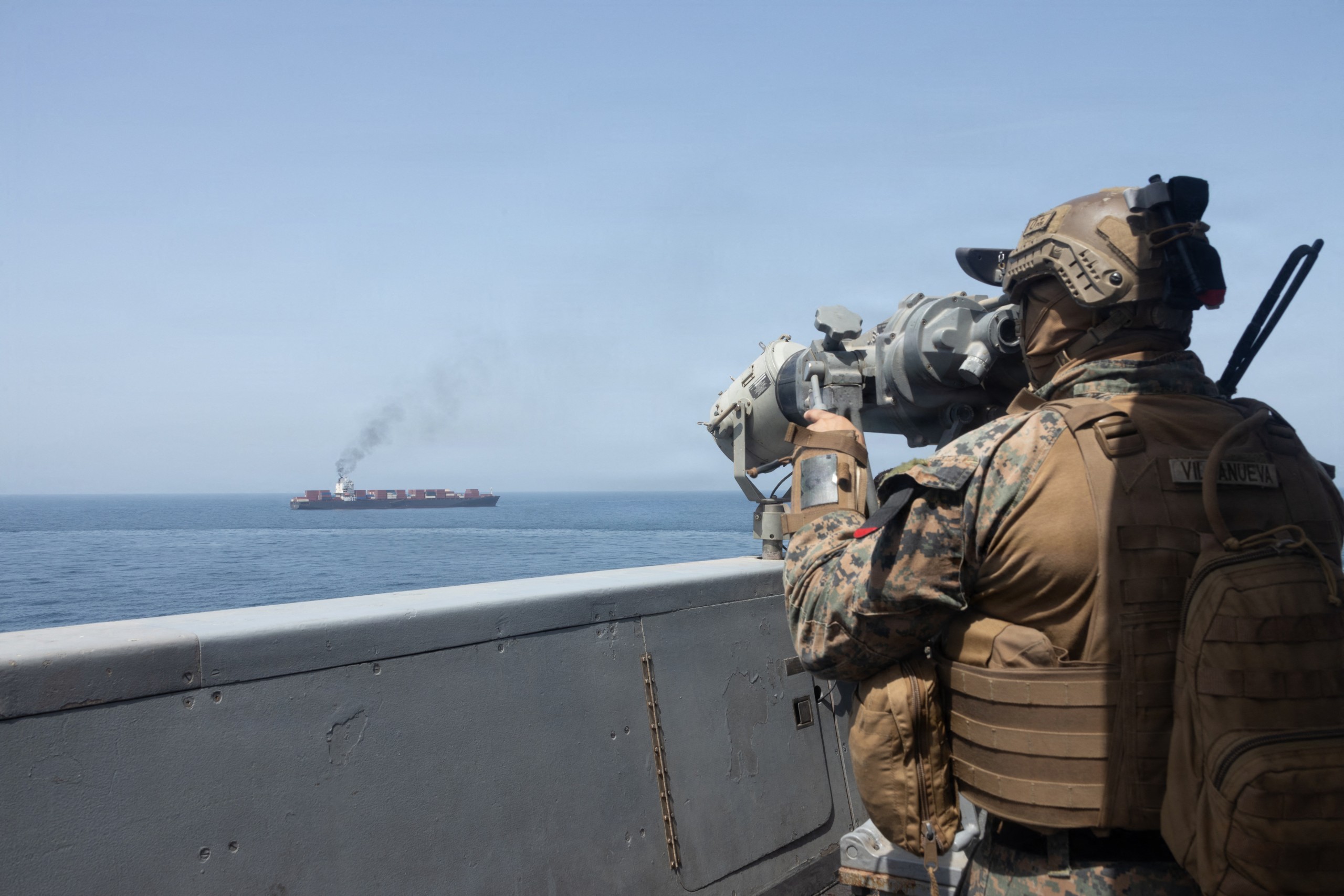
A Saudi vessel has been attacked in the Red Sea as Tehran-backed Houthi rebels claimed strikes on tankers in the waterway, opening what could be a new front in the escalating US-Iran conflict.
Riyadh’s state media confirmed the attack on Thursday, while the Houthis threatened to blockade Saudi ports on the Red Sea, a crucial route for global oil shipments. The five-month war has already effectively closed the Strait of Hormuz, one of the world’s most vital crude supply routes.
The latest attacks come as Washington and Tehran continue to battle over control of Hormuz, derailing a preliminary peace deal that had aimed to end the war. Global oil prices have climbed sharply as the conflict intensifies.
Saudi tanker struck in Red Sea
The Houthis said they carried out missile and drone strikes on two Saudi tankers, the Encelia and the Layla, after threatening to blockade Saudi ports.
British naval security monitor UKMTO said a tanker was hit by an unknown projectile about 70 nautical miles southwest of Al Shuqaiq, sparking a fire that the crew fought to contain.
Saudi Arabia confirmed the Encelia had been struck but did not comment on the second tanker.
It remains unclear whether the Houthis can fully enforce a blockade, but the threat compounds concerns over the Hormuz closure and could endanger Riyadh’s ability to bypass the strait for some oil exports.
Iran stops tankers in Hormuz
Iran’s Revolutionary Guards said Thursday they stopped three oil tankers from passing through the Strait of Hormuz as the United States and Iran fight for control of the route. Before the war, around one fifth of the world’s oil passed through the strait.
“The Strait of Hormuz is under our control and any ship that is deceived by the US and intends to pass without coordination with the Islamic Republic of Iran will suffer the same fate,” the Revolutionary Guards said in a statement.
The warning appeared to defy US President Donald Trump, who said on Wednesday that Washington would bomb Iranian civil infrastructure every time Tehran fires at ships in the strategic strait.
“Any time the Islamic Republic of Iran shoots at a ship in the Strait of Hormuz, whether it be by missile, rocket, drone, or any other device or weapon, the United States will bomb and destroy one bridge or power plant,” Trump wrote on social media.
Iranian Foreign Minister Abbas Araghchi said Tehran would respond in kind to any attack on its infrastructure.
“Our defence doctrine is clear: eye for an eye,” Araghchi wrote on X.
US strikes continue amid mounting costs
US Central Command reported its 12th consecutive night of strikes against Iranian military targets began at 21:30 GMT Wednesday, aiming to “further degrade Iran’s ability to threaten civilian mariners and commercial vessels transiting regional waters”.
Iranian state media reported Thursday that two US missiles hit Bushehr, home to the country’s only civilian nuclear plant and a frequent target of Washington’s strikes.
Jordan said it shot down four missiles and four drones, while air alert sirens sounded in Bahrain, where an AFP correspondent in Manama heard an explosion.
Kuwait’s army said early Thursday it was intercepting “drone threats” following several days of Iranian strikes on the Gulf nation.
The United States has also launched fresh strikes on Iranian military targets, prompting retaliatory attacks on Kuwait in the latest round of tit-for-tat fighting.
Trump has faced intense political pressure to end the conflict, which Defence Secretary Pete Hegseth said Tuesday had cost the United States $37.5 billion, up from nearly $29 billion in mid-May.
Three US service personnel were killed in an Iranian attack on a military base in Jordan, and one died during a controlled detonation of an unexploded Iranian drone in Iraq. Iranian state media said Thursday that a US attack killed two people at Shalamcheh on the Islamic republic’s border with Iraq.
Iraq has been drawn into the Middle East war from the outset, with strikes blamed on the United States and Israel targeting Iran-backed armed groups, which in turn launched hundreds of attacks on US interests in Iraq and across the Gulf region.
Trump rejected polls showing the war was unpopular as he headed to an airbase for the return of the remains of four US service personnel.
“Americans don’t want high petrol prices but they’re not against the war,” Trump said.
Brent crude, the global oil benchmark, briefly topped $95 a barrel for the first time in nearly six weeks on Wednesday. Crude futures later shed some gains but were still up about 3%.
Trump said he would “take care of” the Houthis if they followed through on their blockade threat against Saudi ports.