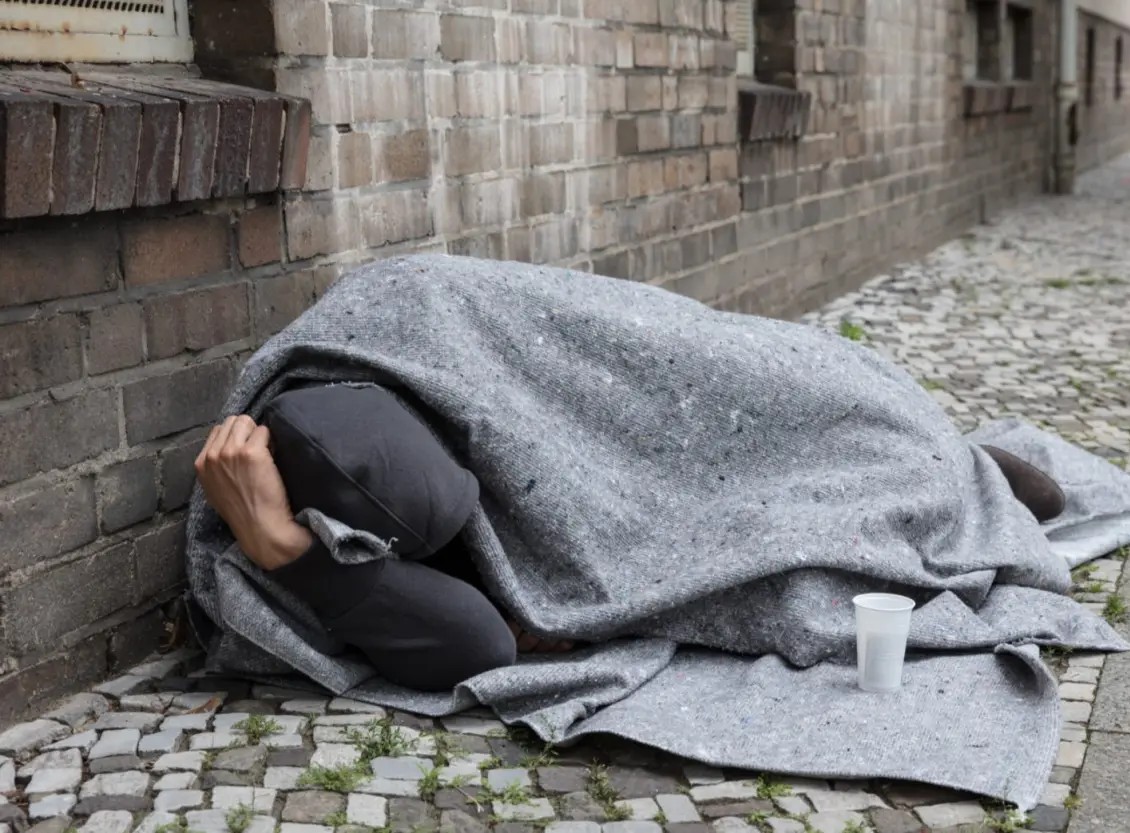
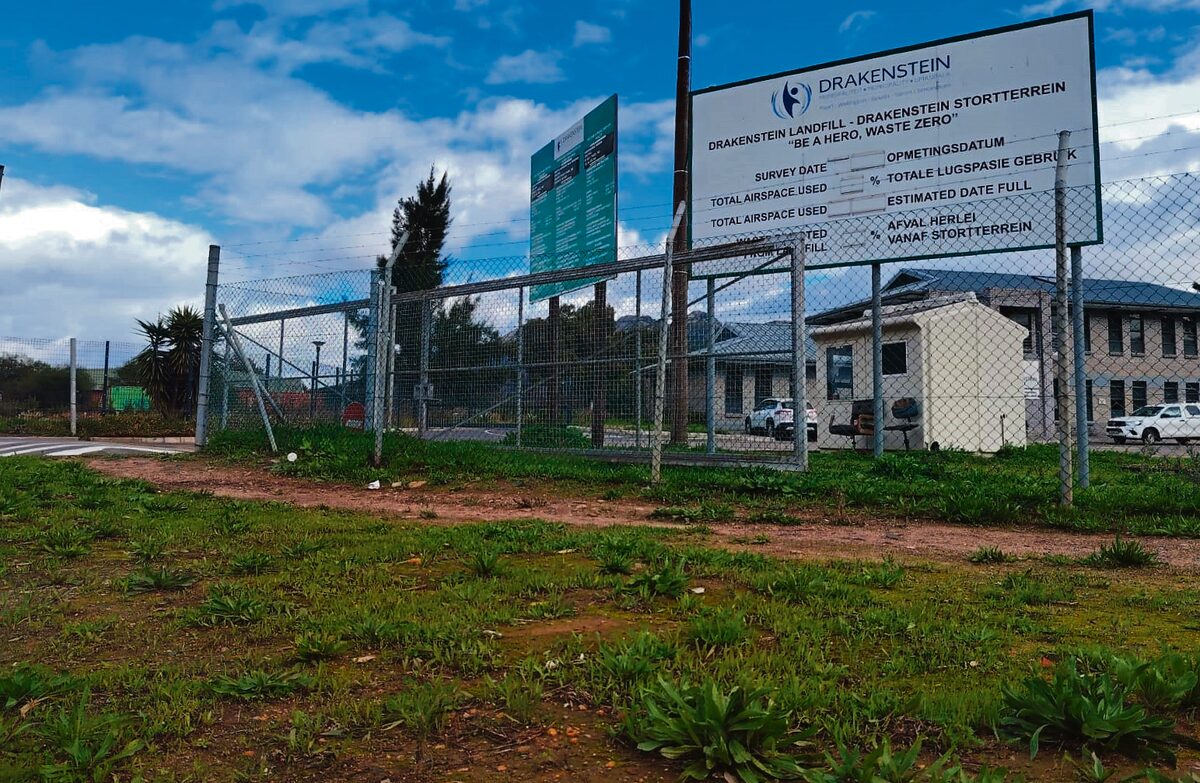
Drakenstein Municipality (DM) published its newly revised Homeless People Policy in August, following a period of public consultation and approval by the municipal council.
According to David Delaney, DM’s Acting Executive Director of Community Services, it is considered “good practice” to review the policy at least every two years.
The previous version of the policy was published and revised in 2019.
The Paarl Post has reviewed the updated policy to highlight some of its key points.
Constitutional duty
On page seven, the DM states that they are under an obligation, in terms of sections 26 and 27 of the South African Constitution, to take proactive and remedial steps to provide the homeless with the necessary developmental assistance pertaining to basic services such as accommodation, healthcare, and employment.
Under its “policy principles” section, the DM, on page nine, promises to “raise funds from public and private institutions to cultivate a culture of care and support for and among homeless people”.
Furthermore, the DM aims to consult with and involve the homeless in the development of strategies, programmes, and projects aimed at addressing their challenges, and will seek to empower them through job creation, training, and the re-integration back into society and thereby reducing the number of people living on the streets.
On page 10, the municipality indicates that homeless children will “in all cases be referred to the Department of Social Development”.
The DM pledges on page 11 that they will “as far as possible work with non-governmental organisations (NGO’s) to develop and establish night shelters for the homeless”.
The municipality commits to educating local communities about initiatives for the homeless so that “distribution of food on the street, donations and support are not given directly to homeless people”.
The policy provides assistance for homeless individuals who wish to reunite with their families.
However, this requires them to express a desire to leave the streets, reintegrate into a stable family environment, and demonstrate sober intentions.Where these conditions are met, the municipality will request a social worker to assess the individual’s readiness for reintegration, provide transport to their families, and offer counselling to both the homeless individual and their family to ensure a smooth transition.
If necessary, the homeless individual may also be referred to a rehabilitation centre prior to reintegration, according to page 13 of the policy document.
Monitoring, in the form of a follow-up plan, will also be implemented to ensure that the homeless individual is “adjusting well to their new environment”, according to page 14. However, the policy does not specify what this follow-up plan will entail.
Homeless shelters
The policy mentions the support and expansion of shelters within the Drakenstein Valley. Pages 15 and 16 stipulate that shelters should be built to accommodate the homeless, providing access to basic services, skills development, and health services.
According to page 17, a “personal development plan (PDP) must be compiled for each resident at shelter by a shelter manager to ensure personal growth”.
This PDP should also include an exit strategy for the homeless individual, as it is generally not permitted to remain in a shelter for longer than six months, although extensions may be granted.