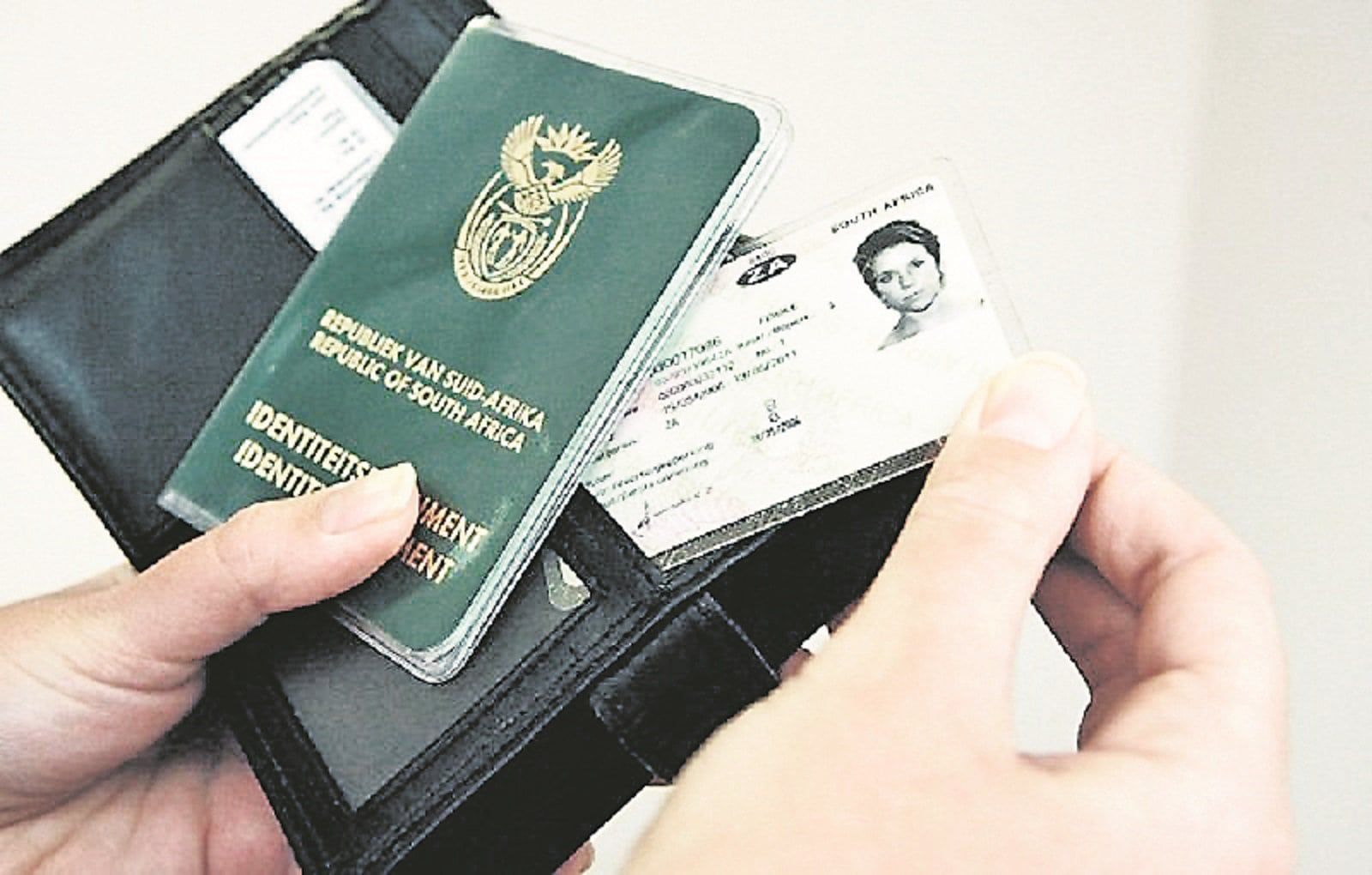
The Department of Home Affairs is set to launch a groundbreaking digital transformation initiative that will allow South Africans to apply for Smart IDs and passports through the banking applications of Capitec Bank, First National Bank (FNB), and Standard Bank in the coming months.
The service will initially roll out at selected branches of the three major banks before gradually expanding to more branches by early 2026, potentially ending the era of day-long queues that have plagued Home Affairs offices across the country.
Currently, South Africans often queue for entire days at the country’s 412 Home Affairs offices to apply for essential identity documents and passports, with many offices experiencing chronic overcrowding and extended waiting times.
Expanding access to rural and disadvantaged communities
The new system is designed to bring crucial Home Affairs services closer to rural communities, economically disadvantaged South Africans who cannot afford transport to government offices, and individuals with mobility challenges. Under the expanded service, documents will be delivered directly to applicants’ homes via courier services.
Minister Leon Schreiber’s digital transformation strategy, developed in partnership with the banking sector, aims to create additional access points beyond traditional government offices. The medium-term goal includes adding 1,000 bank branches to the service network by the end of 2029, alongside the existing network of Home Affairs offices.
DA welcomes ‘game-changing’ initiative
The Democratic Alliance has enthusiastically endorsed the new system, with DA Spokesperson on Home Affairs Adrian Roos describing it as a “game-changing move” that represents “real inclusion, and real pro-poor delivery.”
“This bold step forward in Minister Leon Schreiber’s digital transformation strategy ultimately has the potential to alleviate long-standing bottlenecks, making Home Affairs services available at home, and keeping hundreds of thousands of people out of physical queues no matter where they live,” Roos stated.
The DA emphasized the critical importance of identity documents in accessing opportunities, noting that Smart IDs are essential for student funding applications, university enrollment, social grant applications, unemployment insurance claims, driver’s license applications, and job applications.
“A Smart ID in the hands of every South African citizen will help grow the economy and create jobs – and now under Minister Leon Schreiber it will soon be as easy as going into a participating bank branch or opening a banking app on your phone,” Roos added.
Massive reach through banking networks
The three participating banks serve tens of millions of active users through their digital platforms, potentially removing vast numbers of people from physical Home Affairs queues. For South Africans without smartphones, the improved service will remain accessible through physical bank branches.
The initiative also provides what officials describe as “dignified and equitable access” to essential documentation for all South African communities and demographics.
Other financial institutions are being urged to join the digital transformation effort, supporting the vision of eliminating queues and improving public service delivery across South Africa.
Such banking partnerships represents a significant shift in how government services are delivered, leveraging existing commercial infrastructure to expand access to essential documentation services that form the foundation of civic and economic participation in South Africa.
ALSO READ: SA Home Affairs opens in Australia