

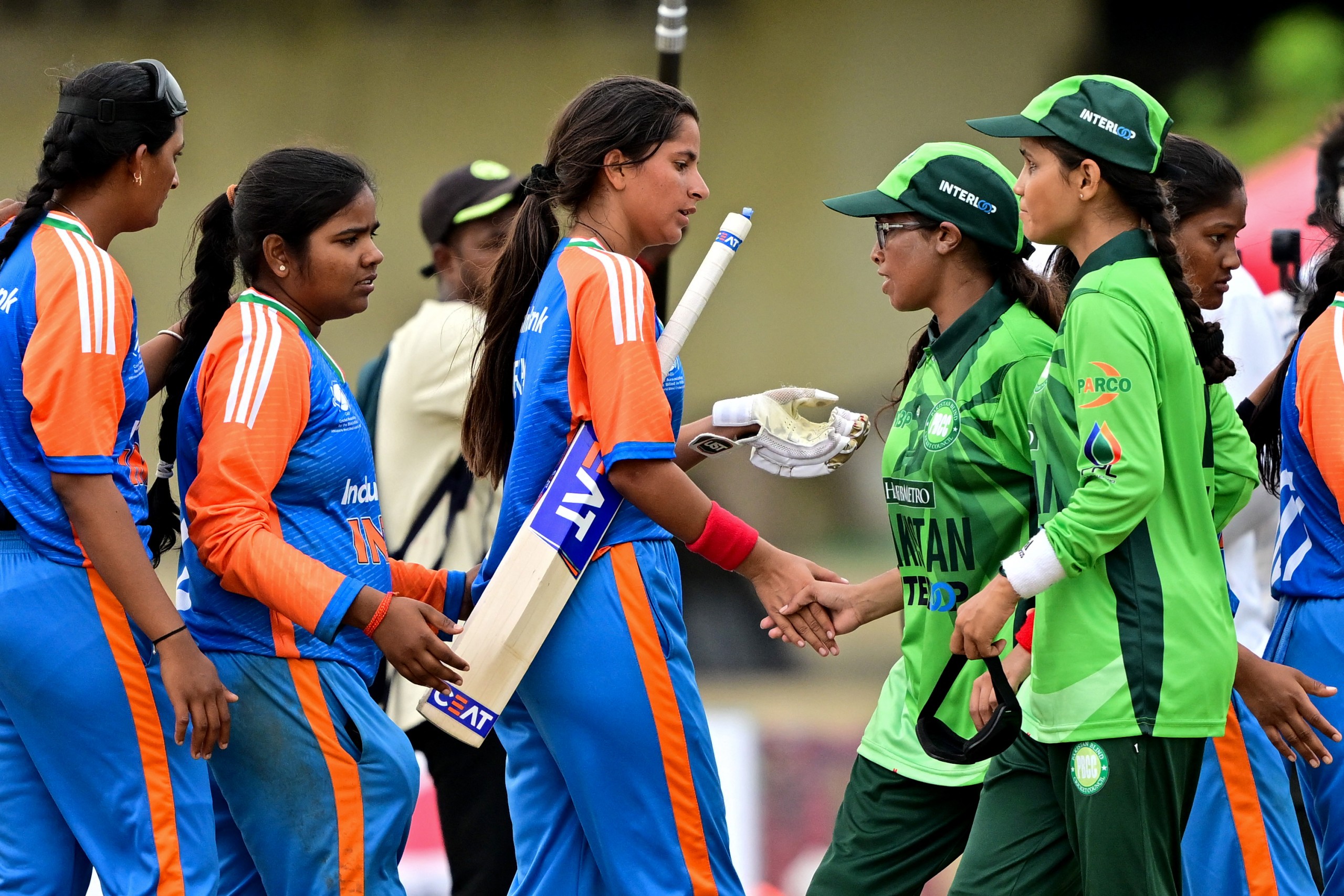
SRI LANKA – On a lush cricket ground outside Colombo, the sharp jingling of a ball cuts through the afternoon air. Every rattle represents a pushback against the stigma of disability.
Sri Lanka and India are co-hosting the inaugural T20 World Cup for visually impaired women. Saturday’s semi-finals pit India against Australia and Pakistan against Nepal, with the final scheduled for Sunday 23 November.
India manager Shika Shetty told AFP that the sport has transformed lives and helped shift attitudes.
“I think this World Cup is one of the biggest opportunities for our visually impaired girls,” said Shetty, who is sighted.
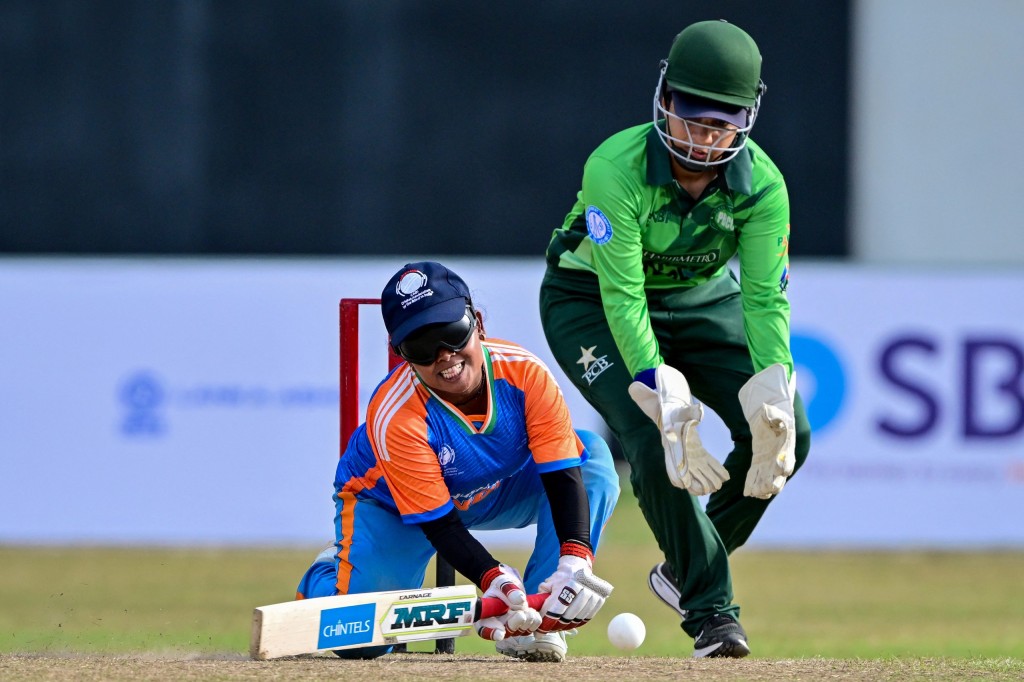
India captain T.C. Deepika recalled the disbelief she faced when she first picked up a bat.
“People were saying, ‘How do they do it? They must be lying,’” she said in a video posted by the Cricket Association for the Blind in India.
“Later, they realised I could do something. People began to see that I have ability,” Deepika added.
Playing by Ear
Whilst able-bodied cricket requires players to keep their eyes on the ball at all times, blind players must rely on sharp hearing.
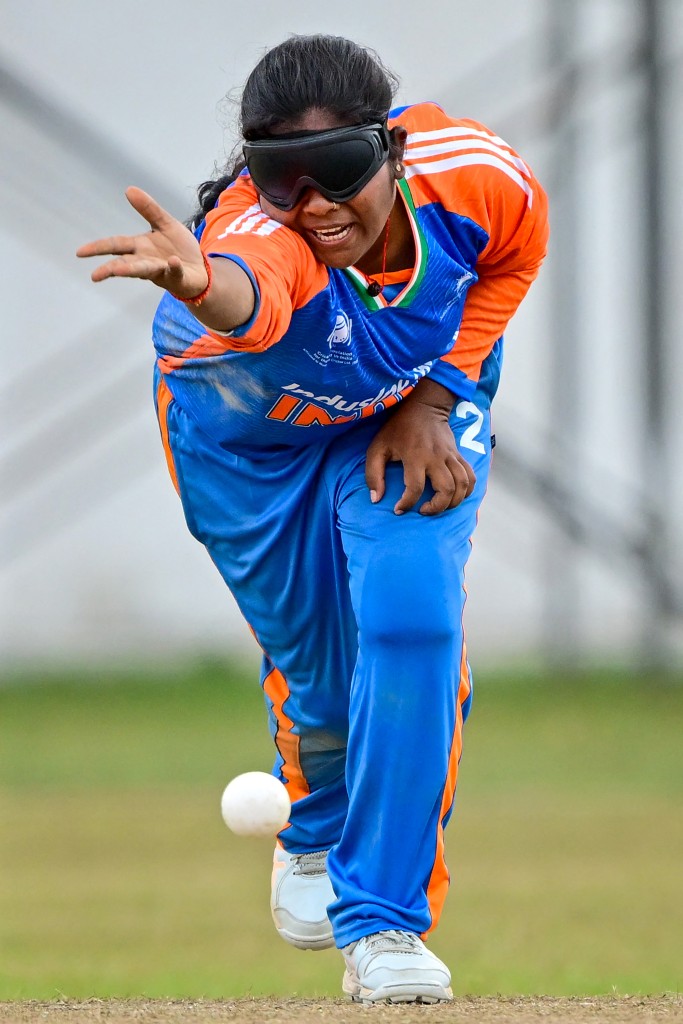
The white plastic ball, roughly the size of a tennis ball, is packed with ball bearings that rattle as it rolls.
The bowler must ask whether the striker is ready, then shout “play” as the jingling ball is delivered underarm with at least one bounce.
Like a regular cricket match, each side fields 11 players, but at least four must be totally blind. These players are required to wear blindfolds to ensure fairness.
Fielders clap once to reveal their positions.
Others are partially sighted, classified according to their visual range: two metres for B2 players, six metres for B3 players.
Each team may field up to eight B1 (totally blind) players. Any run scored by a B1 player counts as two runs.
‘Liberating’
Chaminda Karunaratne says cricket has served both as refuge and as a means to prove that blindness cannot impede sporting ambitions.
The 40-year-old blind Sri Lankan school teacher has represented his country in international tournaments and now wants women to share that opportunity.
“Cricket has done wonders, especially for my mental health,” Karunaratne said as the Indian and Pakistani women’s teams battled on the ground.
“When you engage in a sport like this, it boosts your self-confidence. You can move more freely and you tend to participate in community activities,” he said.
“That is liberating.”
Karunaratne, a key member of the Sri Lanka Cricket Association for the Visually Handicapped, added: “I appeal to parents to encourage their blind daughters to take up cricket. It is an opportunity to interact with others.”
“You can demonstrate that you are neither helpless nor dependent,” he said.
Association president Sudesh Tharanga acknowledged that forming a women’s team had presented challenges, although nearly one million Sri Lankans are estimated to have some form of visual impairment.
“We only began assembling a team after being asked in September whether we could co-host the T20 tournament in November,” Tharanga told AFP.
Despite limited preparation time, Sri Lanka managed to field one of the tournament’s youngest squads.




You must be logged in to post a comment.