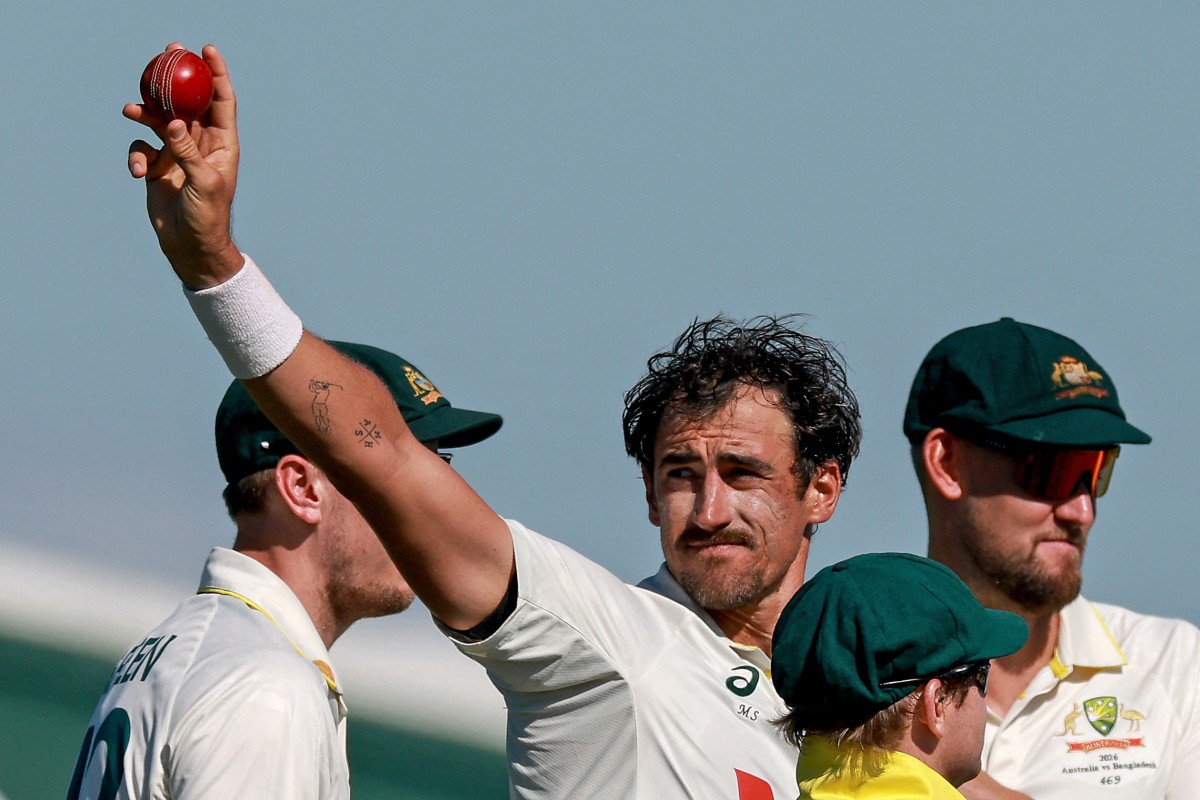

Test cricket spent 143 years without a proper world champion. Sure, there were rankings and bragging rights, but no trophy. No final. No definitive answer to who actually rules the longest format. Then the International Cricket Council finally sorted it in 2019, launching the World Test Championship and transforming five-day cricket from a series of bilateral contests into something with genuine stakes beyond pride.
Also read: Warner savages disgraceful Australia as Proteas claim series
New Zealand lifted the inaugural title in 2021. Australia claimed it in 2023. South Africa triumphed in 2025. Now the fourth cycle is underway, and if you’re struggling to understand how this gloriously complex tournament actually works, you’re not alone. Here’s the breakdown.
Why does this tournament even exist?
The ICC introduced the WTC as a desperate attempt to make Test cricket relevant in a world obsessed with T20 franchises like the Indian Premier League and Big Bash League. When teenagers can watch Chris Gayle smash six sixes in three hours rather than endure five days watching batsmen leave balls outside off-stump, Test cricket needed something beyond tradition.
The WTC provides that something, a tangible goal beyond winning individual series. Every Test now feeds into a larger narrative building toward a winner-takes-all final. It’s Test cricket with genuine tournament jeopardy.
Who’s involved and what’s the format?
Nine ICC full members compete: Australia, Bangladesh, England, India, New Zealand, Pakistan, South Africa, Sri Lanka and the West Indies. Each nation plays six series across a two-year cycle, three at home, three away, with series ranging from two to five Tests depending on what the competing nations agree.
That two-year timeline exists because Test matches can stretch five days, and there’s no dedicated international window. Cricketers also juggle T20 leagues and ODI commitments, making scheduling a logistical nightmare that requires 24 months to untangle.
The points system that actually makes sense
Here’s where it gets clever. Teams earn 12 points for a win, six for a tie and four for a draw. Losses yield zero. Teams also lose points for bowling overs too slowly, discouraging time-wasting tactics.
Simple enough, except some nations play more Tests than others. England, India and Australia regularly contest four or five-match series because they’re wealthy and crowds show up. Bangladesh or West Indies often play two or three-match series because finances dictate shorter commitments.
To prevent unfair advantage, the table ranks teams by percentage of points won rather than total points accumulated. If you play ten Tests (maximum 120 points available) and earn 60 points, you’re ranked at 50%. If someone plays fifteen Tests (180 points available) and earns 90 points, they’re also ranked at 50%. The results table is based on how many points they won divided by how many points they could have won. Fair playing field, regardless of fixture congestion.
How’s the winner decided?
The top two teams after the two-year cycle contest a five-day final. If it’s drawn or tied, joint winners are declared, although that scenario would probably break cricket Twitter for weeks.
Do all Tests count?
No. Matches against Zimbabwe, Afghanistan and Ireland don’t contribute WTC points, though they remain official Tests. This means Australia’s one-off fixture against Afghanistan, for example, carries prestige but no championship relevance.
Does every team play each other?
No chance. Nine teams, limited calendar space, domestic T20 leagues and ICC white-ball tournaments make a full round-robin impossible. Weather further restricts options, you can’t play Tests during monsoon seasons or freezing winters in certain countries.
Instead, the ICC schedules six series per team and accepts that not everyone faces everyone. It’s imperfect, but unavoidable.
The series points distribution
Each series offers 120 points total, distributed based on match quantity. Win a two-Test series match? That’s 60 points. Win one Test in a five-match series? Just 24 points. The system ensures playing more matches doesn’t automatically guarantee easier points accumulation.
Draws earn only one-third of points available for a win, a deliberate disincentive against negative cricket. Ties split the win points equally.
It’s complicated. It’s imperfect. But it’s given Test cricket something it desperately needed, a reason to care beyond the next Ashes series.