
The Western Cape Department of Health’s school-based vaccination programme will visit schools to provide young girls with the human papillomavirus (HPV) vaccine.
As part of this integrated immunisation initiative, aimed at reducing vaccine-preventable diseases, boys and girls up to 15 years of age will also receive the measles vaccine.
School health nurses will visit all public and special schools in the province up to 31 March to administer the routinely recommended human papillomavirus (HPV) vaccine as well as the measles vaccine.
Roché Butler, spokesperson for the Overberg Health District, said this is done as part of the department’s commitment to ensuring healthy and thriving children as they grow up.
“The HPV vaccine is being offered to girls in Grade 5 over the age of 9 years and the measles vaccine to boys and girls under the age of 15.”
Since the beginning of the year, schools have issued consent forms to learners for parents and caregivers to sign to enable nurses to vaccinate eligible learners. “No learner will be vaccinated until his or her parents or legal guardian has given permission through signing a consent form, and parents are strongly encouraged to provide this consent,” Butler stated.
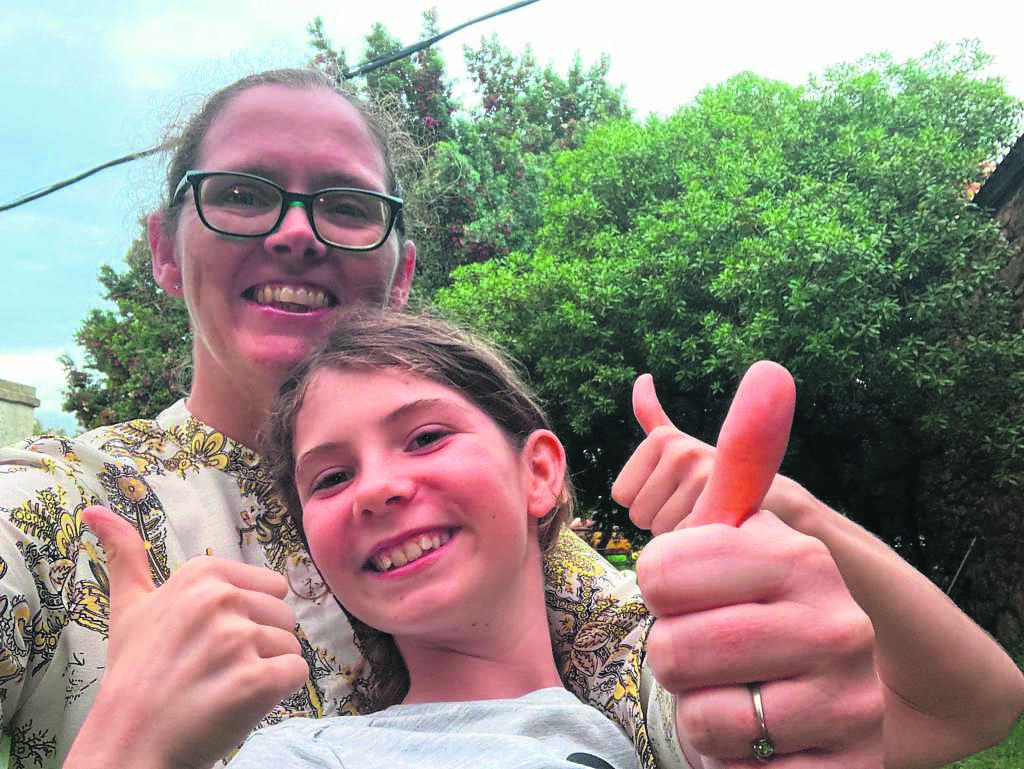
Sister Tracy Kritzinger, Clinical Programme Coordinator and mother of two girls, said signing the consent form and allowing her daughters to receive the HPV vaccine at their school was the right decision.
“I have two girls, aged 11 and 14,” she said. “I had my girls vaccinated because I love them and want them to have a safe and healthy future.”
HPV is the virus that causes cervical cancer, the second most prevalent cancer among women, after breast cancer. More than 99% of all cervical cancers are caused by persistent infection of high-risk types of HPV.
“It takes skin-to-skin contact with only one partner to contract HPV,” Kritzinger said. “I would be naïve to assume it cannot happen to my girls.
“The assumption that HPV resulting in cervical cancer occurs only to girls with multiple partners is a massive misconception that could harm your daughter and destroy her future dreams. One partner, one incident of contact, is all it takes.”
The vaccination protects girls from being infected by HPV and reduces the risk of developing HPV related cervical cancer later in life. “The younger your daughter is, the better her body’s immune system can respond to the vaccine, resulting in the production of protective antibodies against the virus.
“Two doses are needed for the best protection,” Butler said. “These are given on two separate days, six months apart.
“Most side-effects from the vaccination are minor and quickly disappear. Severe allergic reactions are rare. If any reaction is severe or persistent, or if you are worried about your child, contact your health-care worker or doctor.”
Kritzinger pleaded with all parents and guardians to ensure their daughters are vaccinated in order to protect them from the tragedy of cervical cancer.
If your daughter has not received the HPV vaccine at school, she can visit the local clinic or speak to your health care provider.