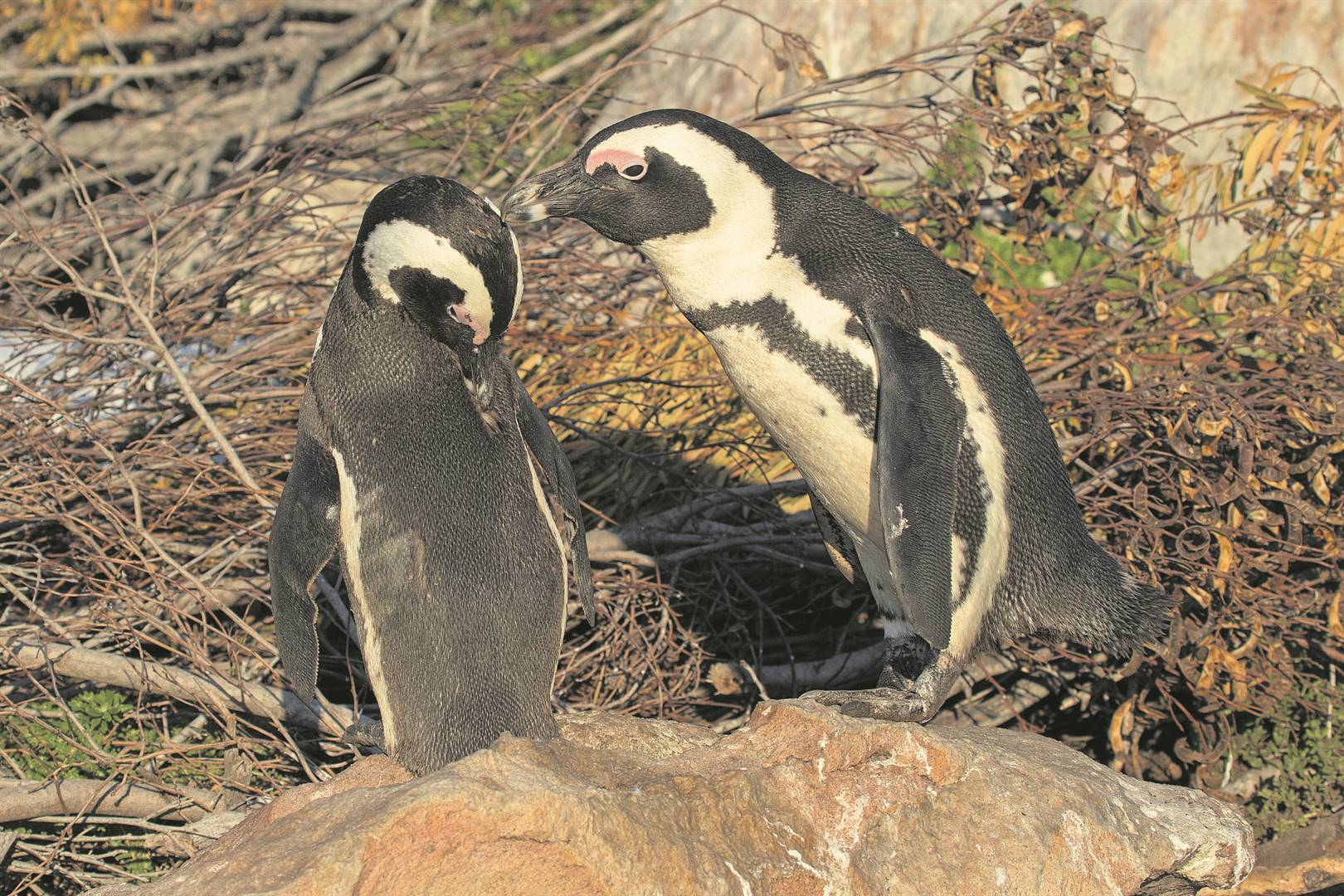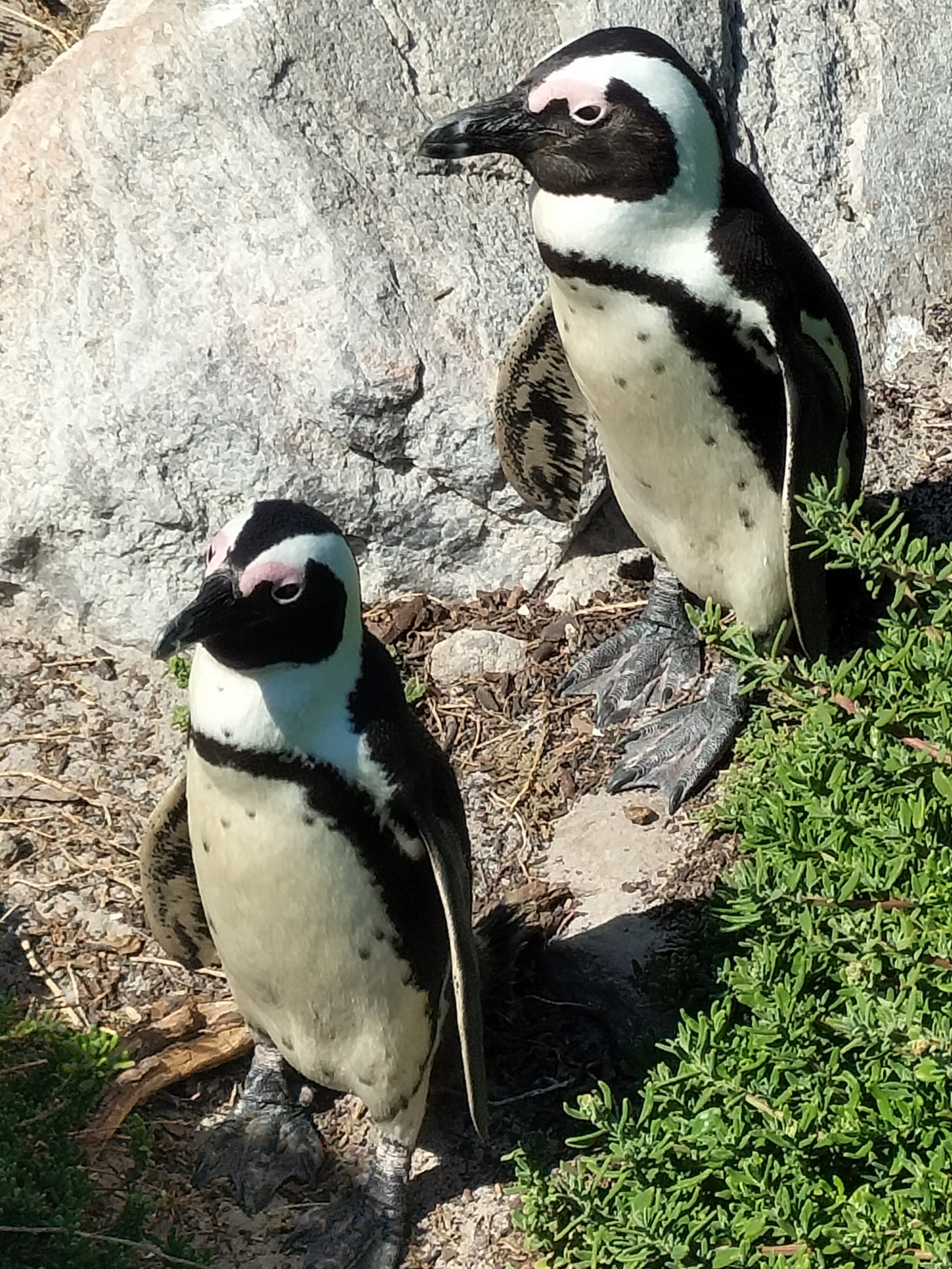

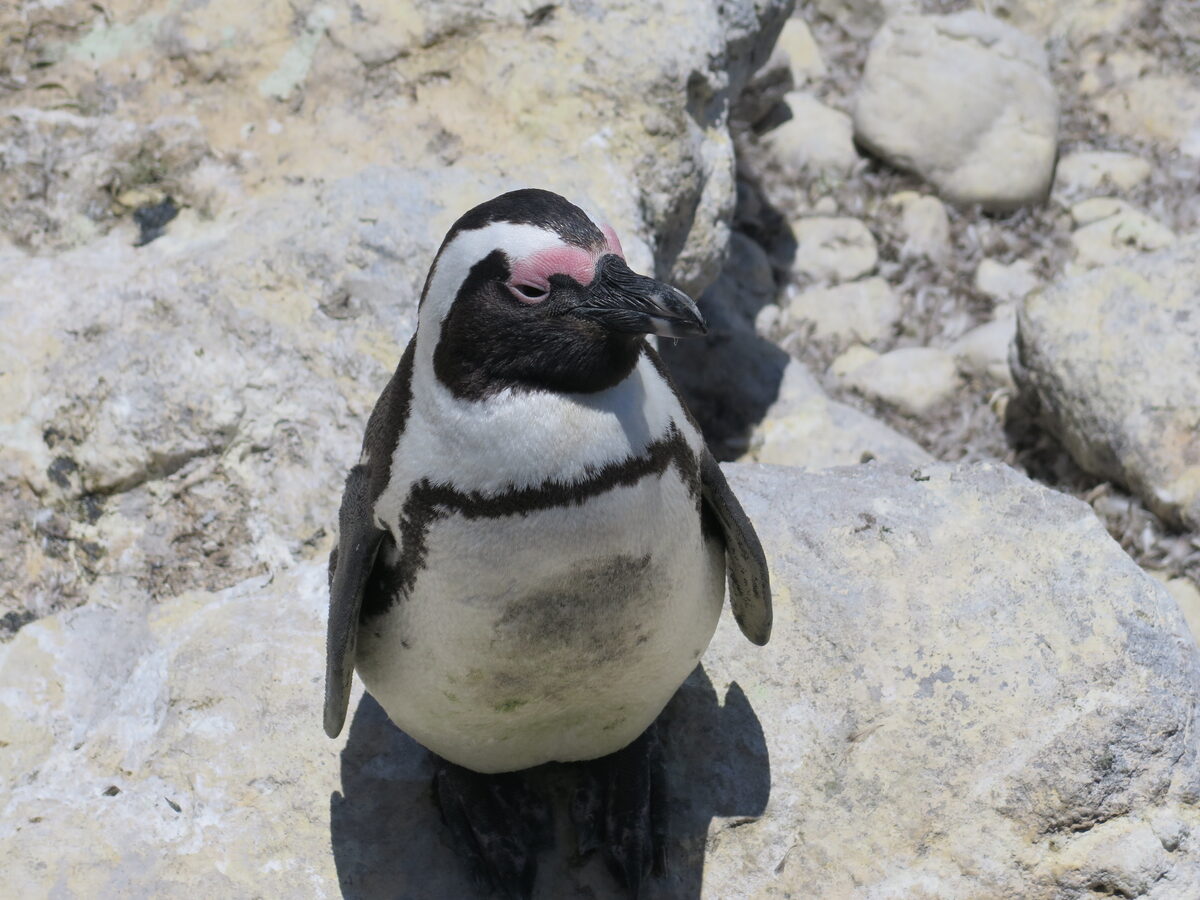
In the crystal-clear waters off the Overberg’s coastline, a beloved black-and-white seabird is fighting for its very survival.
The African Penguin, the continent’s sole penguin species and a cherished icon of South African wildlife, now teeters on the brink of extinction.
With fewer than 8 750 breeding pairs remaining and their numbers plummeting by 8% annually, scientists deliver a sobering warning: without immediate action these charismatic birds could disappear from the wild forever by 2035.
But hope isn’t lost. In a powerful display of conservation unity, CapeNature and the Southern African Foundation for the Conservation of Coastal Birds (Sanccob) are joining forces to spotlight this crisis and showcase the remarkable efforts to save these penguins.
Their weapon of choice? The heartwarming Penguin Palooza – a free community celebration that transforms conservation awareness into a joyful, family-friendly experience.
The free public event, starting at 10:00 on Saturday, 8 November at Stony Point, will shine the spotlight on the crisis facing one of South Africa’s most beloved seabirds. This year visitors can enjoy an outdoor market featuring local food, crafts and community stalls, alongside interactive exhibits and children’s activities.
The highlight of the day will be the release of rehabilitated penguins back into the wild, providing a rare opportunity to witness conservation in action. Regarding the diminishing numbers, at Stony Point the decline is even more stark; the 2023 census recorded 1 200 individuals, but by 2024 this had almost halved to 673, just 27% of what the colony was a decade ago.
Unique to the continent the African Penguin stands as its only penguin species. Sadly, it’s also an important indicator of marine ecosystem health. The major causes of this decline include limited food availability, pollution, climate change, oil spills and predation. CapeNature, in partnership with Sanccob, is working to rehabilitate ill or injured penguins and hand-rear abandoned eggs and chicks for release back into the wild, in this way combating this alarming loss.
Stony Point is one of the few remaining key colonies where these efforts are focused. The colony at Stony Point is also deeply tied to the local community. A recent report estimated that African Penguins at this site alone generate R55,6 million in tourism spend annually, while the On the Edge Restaurant, run by the Mooiuitsig Community adjacent to the reserve, reinvests profits directly into community upliftment. The penguins are not just an environmental boon; they are a driver of local livelihoods. If South Africans do not act now they may face a future without African Penguins in the wild.
“The Penguin Palooza showcases to present and future generations the importance of penguins to the environment and local communities,” said Dr Ashley Naidoo, CEO of CapeNature. “Our efforts, alongside those of Sanccob, WWF-SA, Dyer Island Conservation Trust, BirdLife SA, and the Betty’s Bay Conservancy are essential to protecting this species. Together we are leading the effort to ensure the future of penguins on our coastlines and raise the profile and awareness of the African Penguin among the public.”
Natalie Maskell, CEO of Sanccob, said the Penguin Palooza is a celebration born out of the strong partnership between the two organisations. “Together, our organisations have worked tirelessly to safeguard seabirds, resulting in the rescue and rehabilitation of thousands of seabirds, including the critically endangered African Penguin.
Through Sanccob’s dedicated rangers at key breeding colonies, such as Stony Point, and Sanccob’s expertise in monitoring, rescue, and rehabilitation, this partnership ensures vulnerable seabird species receive the protection and care they need to survive and thrive.”
Events such as Penguin Palooza not only highlight the impact of this collaboration, but also inspire awareness and encourage collective action to protect local marine ecosystems.