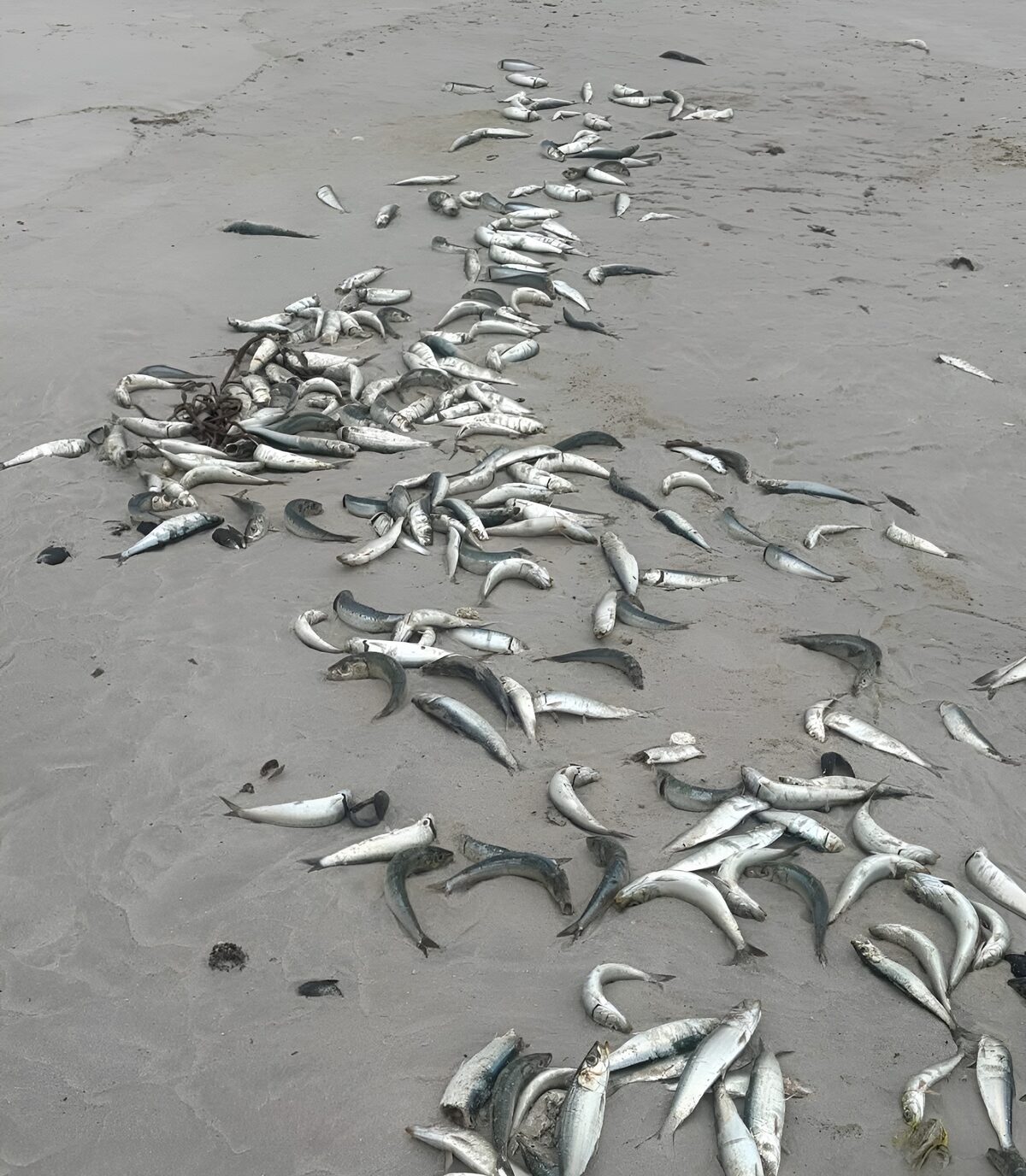


More than 5 000 livelihoods in South Africa’s commercial small pelagic sector have been safeguarded following a move to ease pressure on an industry that warned more than 1 000 jobs were at risk.
The move follows urgent appeals from stakeholders in the commercial small pelagic sector, who warned that dwindling sardine stocks available for processing west of Cape Agulhas had forced several fishing rights holders to exhaust their quotas and scale operations back.
Afterwards the Minister of Forestry, Fisheries and the Environment, Willie Aucamp, approved a 6 000-ton increase in the sardine total allowable catch (TAC) for waters west of Cape Agulhas. “Creating jobs and growing our economy do not have to come at the expense of our environment,” he said.
On Monday the Department of Forestry, Fisheries and the Environment (DFFE) announced a sardine TAC increase of 6 000 tons, taking it from 30 500 tons to 36 500 tons. The additional allocation includes 3 000 tons supported by revised scientific survey timing corrections and a further 3 000 tons made available through the conversion of existing sardine Total Allowable Bycatches (TABs).
The shortage had placed more than
1 000 jobs under immediate threat, which prompted Aucamp to instruct the Small Pelagic Scientific Working Group to investigate whether additional quota could be made available in the short term. This is according to the department.
The scientific working group subsequently recommended the increase approved on 29 June, following its deliberations.
Aucamp said the decision would help protect more than 5 000 livelihoods while ensuring sustainable management of the country’s marine resources. “I remain fully cognisant of the important contribution that the commercial small pelagic sector makes to job creation and in this case more than 5 000 livelihoods will be protec-
“While the decision is a welcome intervention it is equally critical that we continue to maintain the ‘sweet spot’ between inclusive economic growth, job creation and environmental protection.” He added that the increase demonstrates that economic growth and environmental protection can be achieved simultaneously.
The department said the annual TAC is determined according to the Marine Living Resources Act and is based on the best available scientific advice, in a way that ensures long-term sustainability of sardine stocks. It said fish stocks will continue to be monitored through ongoing scientific assessments and stakeholder engagement, with any future quota adjustments to be guided by scientific evidence and legislative requirements.