
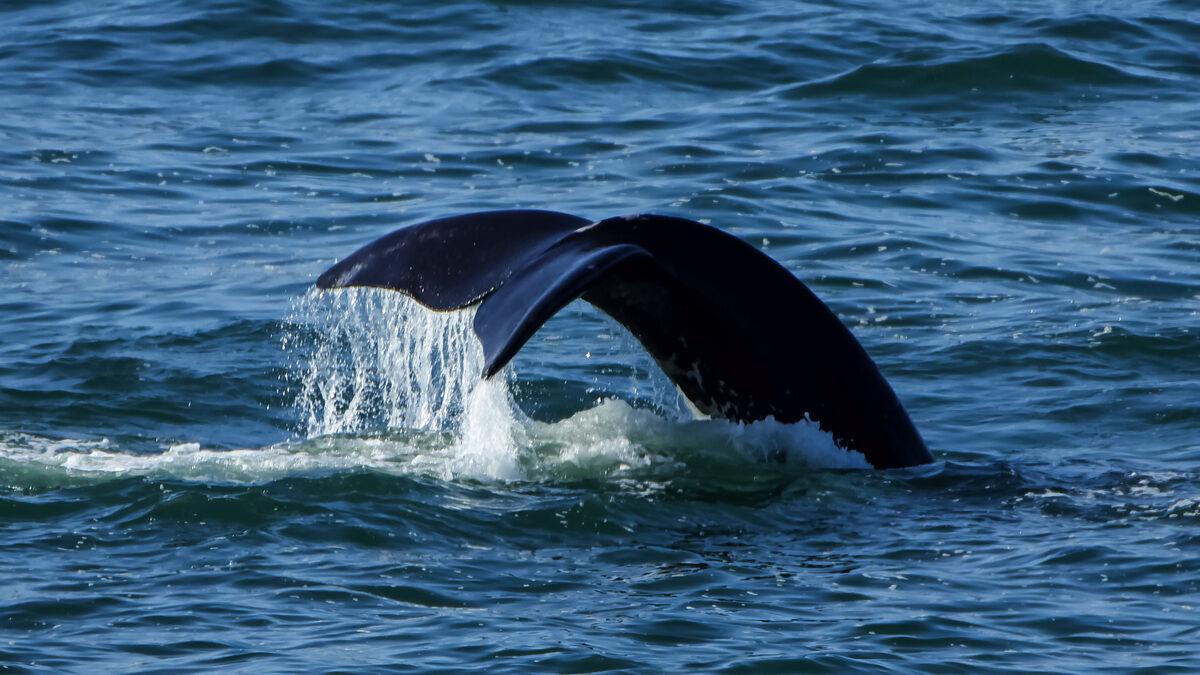
For more than five decades, the recovery of South Africa’s southern right whale population from the impacts of commercial whaling has been closely tracked through annual aerial surveys.
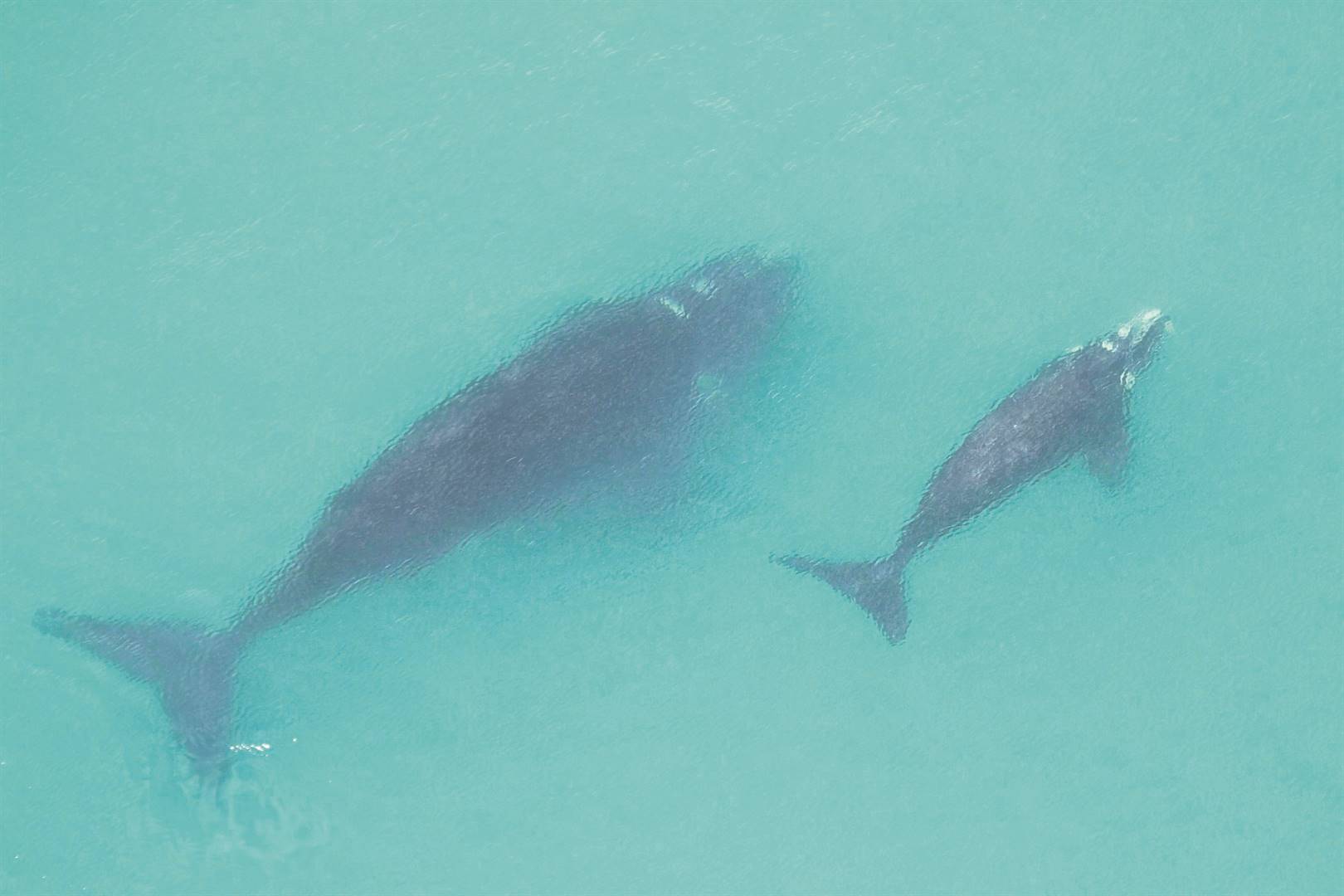
According to CapeNature these surveys, conducted each year since 1969, involve counting every female whale with a calf along the coast between Nature’s Valley and Muizenberg. From 1979 onwards, the surveys were expanded to include photo-identification, a technique that uses overhead photographs of the unique callosity patterns on each whale’s head to recognise individuals. “Thanks to this effort, we now know the population contains around 6 500 whales and is still increasing at roughly 6,5% per year. With 55 years of continuous records, the survey represents one of the world’s longest-running, uninterrupted datasets for any marine mammal species,” said a spokesperson of CapeNature.
The 2025 southern right whale aerial survey was scheduled to begin on Monday 29 September and will be carried out following established protocols. The coastline between Nature’s Valley and Muizenberg will be flown using a Eurocopter AS350 (Squirrel) helicopter at an altitude of about 300 m. During the survey, sightings of all whale species are logged. Particular focus is given to southern right whale females with calves, as well as individuals with distinctive brindle colouration or other unique markings. From 6 October, the MRI Whale Unit at the University of Pretoria will again conduct boat-based fieldwork in Walker Bay to deploy satellite transmitters on adult southern right whales.
A preliminary count survey conducted in early September this year indicated a total of 154 females with associated calves between Hermanus and Witsand, similar to what was observed in 2021. When the survey is finalised, it will provide an update on the precise number of whales counted and photographed on our survey and put it in perspective with the numbers observed over the past four decades. The 2025 survey will be flown in association with Silvercross Helicopters and with the support of the De Hoop Collection, Denel Overberg Test Range, Grootbos Foundation and private citizens along the route.