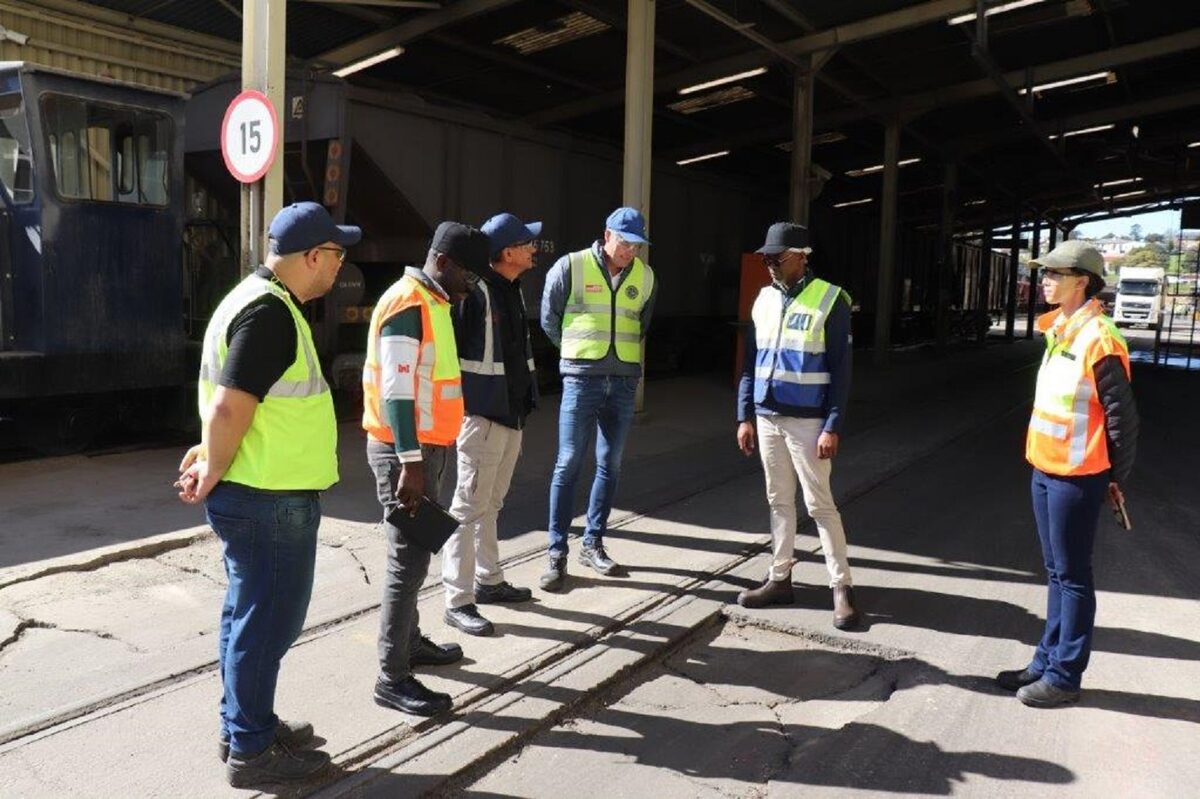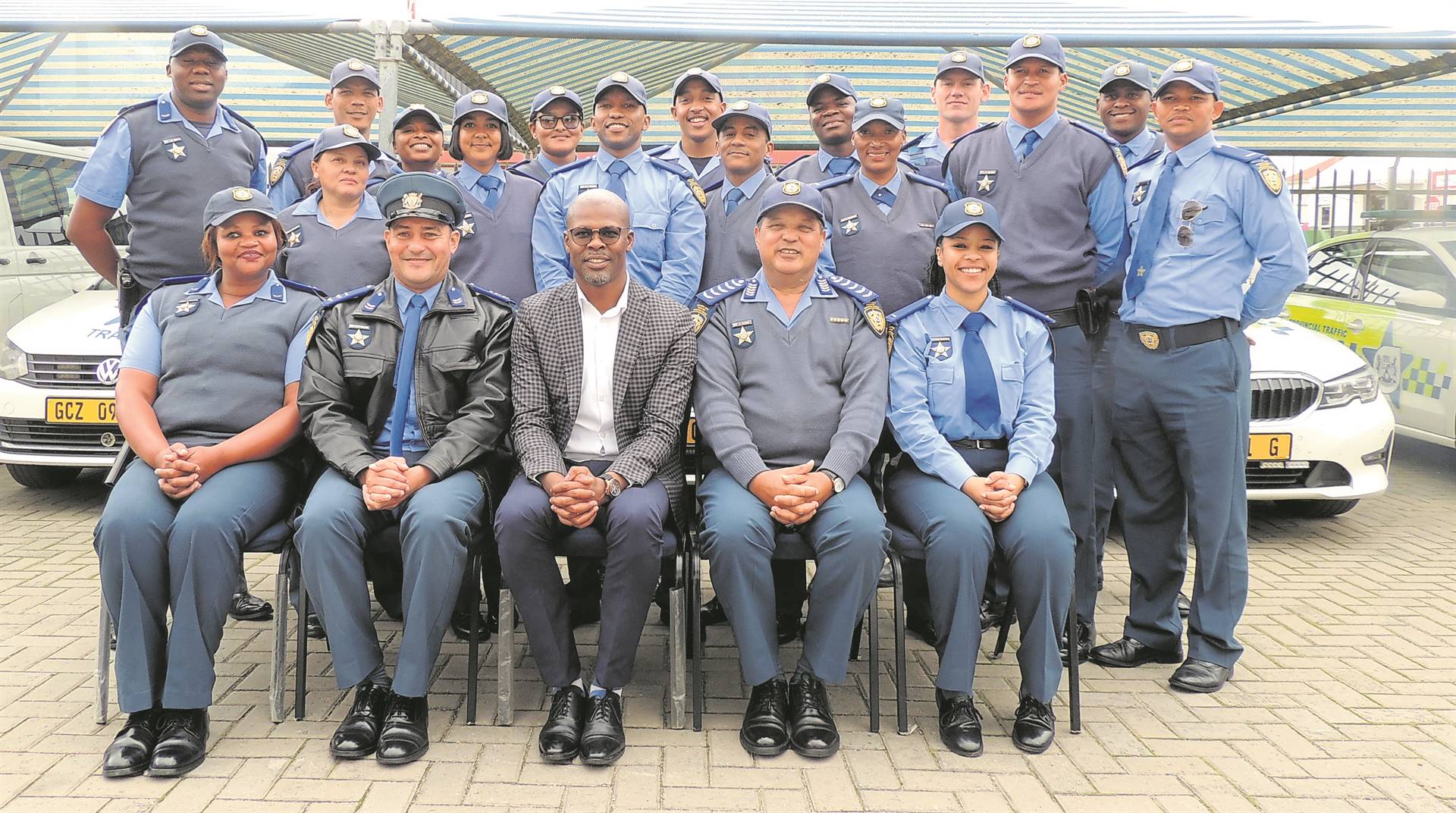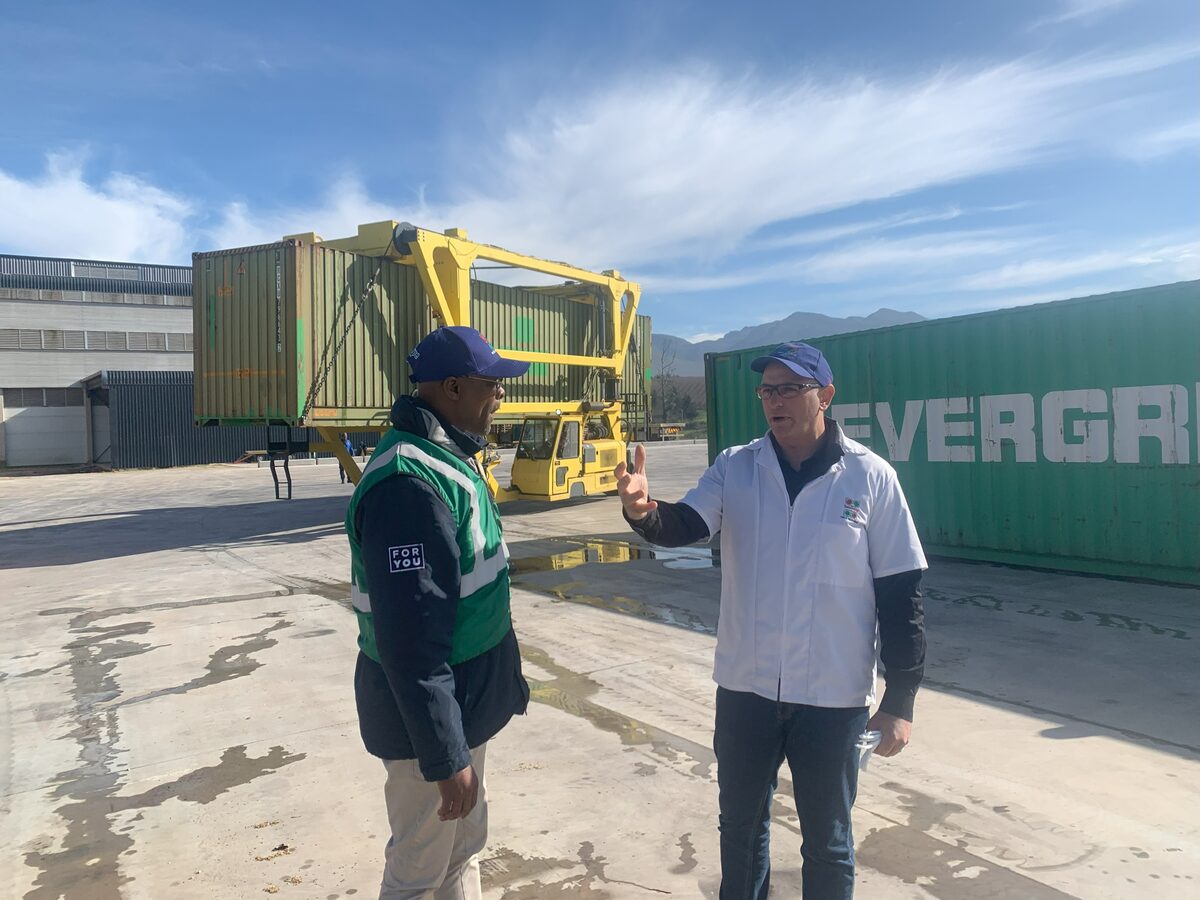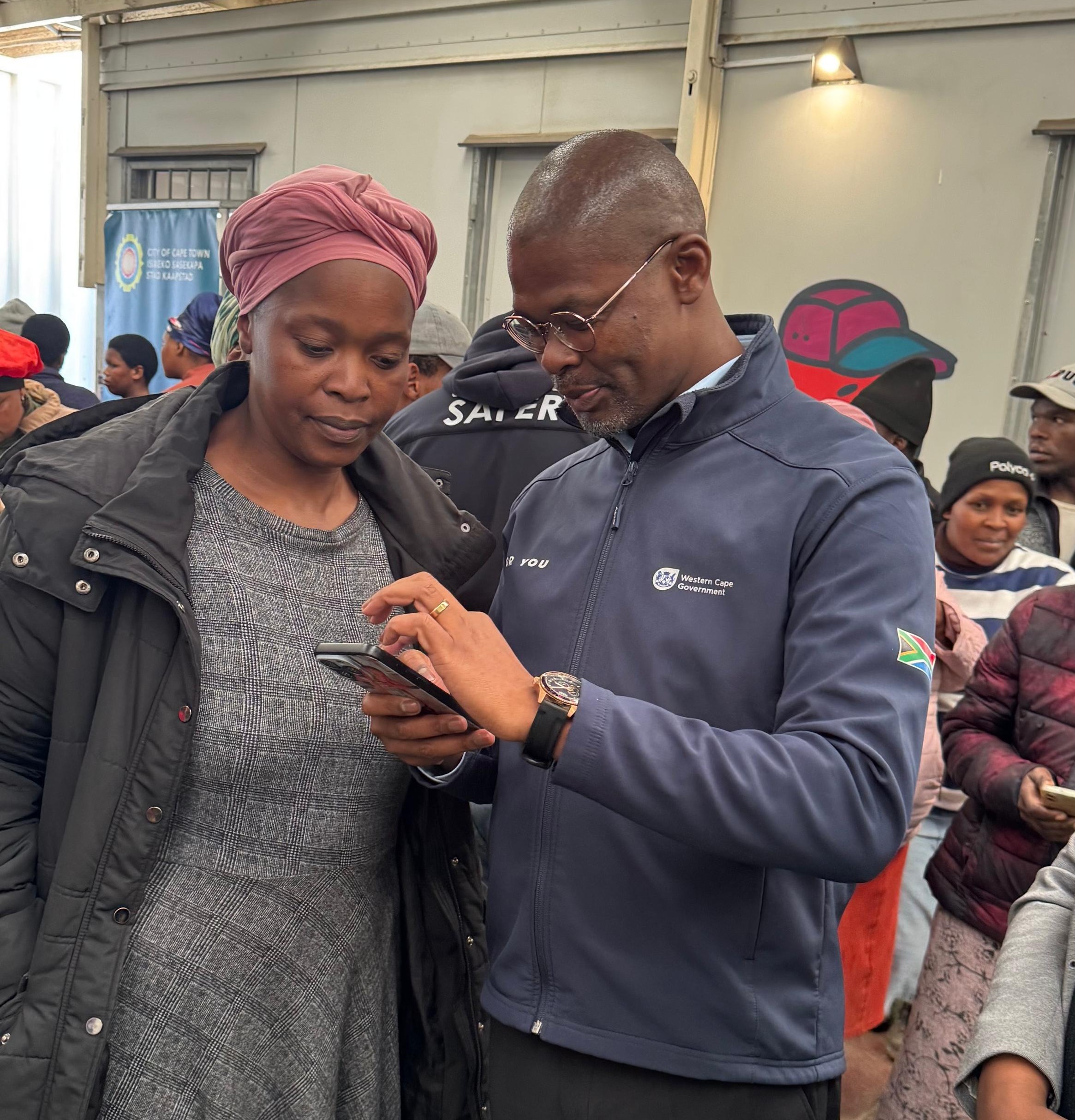

The Western Cape Mobility Department highlighted the crucial role of freight in driving the province’s economy with a recent visit to the South African Breweries’ (SAB) Caledon Maltings facility.
This follows the launch of the Overberg Freight Rail Business Case and Implementation Plan pilot project last month in Bredasdorp. The business case, said the Department, is the first step towards revitalising freight rail along one of the Western Cape’s most significant agricultural corridors.
The initiative, co-designed with agricultural producers, freight owners, logistics operators, investors, and government partners, aims to reconnect the Caledon farming hub with the Belcon Inland Terminal (Bellville Container Terminal) and the Port of Cape Town. Currently, this corridor moves 8.9 million tons of freight annually, almost entirely road-based, with 99.8% transported by truck and just 0.2% by rail (this includes all freight along the corridor, not just agricultural produce).
“The Overberg Freight Rail Business Case,” said Western Cape Mobility Minister Isaac Sileku, “is about bringing freight rail back on track and creating a commercially viable, data-driven freight system that cuts logistics costs, reduces congestion on the N2, and positions the Western Cape to triple its export value by 2035.”
Overberg District Municipality Executive Mayor Sakkie Franken added: “This project represents a turning point for our district. By unlocking rail, we are not just moving freight, we are attracting investment, creating jobs, and strengthening our region’s economy for the long term. The Overberg can once again be a thriving hub for trade, benefitting both our farmers and our communities.”
The Business Case phase, led by the Western Cape Mobility Department, will run until June 2026. It will focus on validating freight volumes, assessing infrastructure capacity, and securing commitments from cargo owners. If the pilot proves viable, said the Department, construction and phased operations will begin in late 2026, with a launch expected by 2028.
Partnerships vital
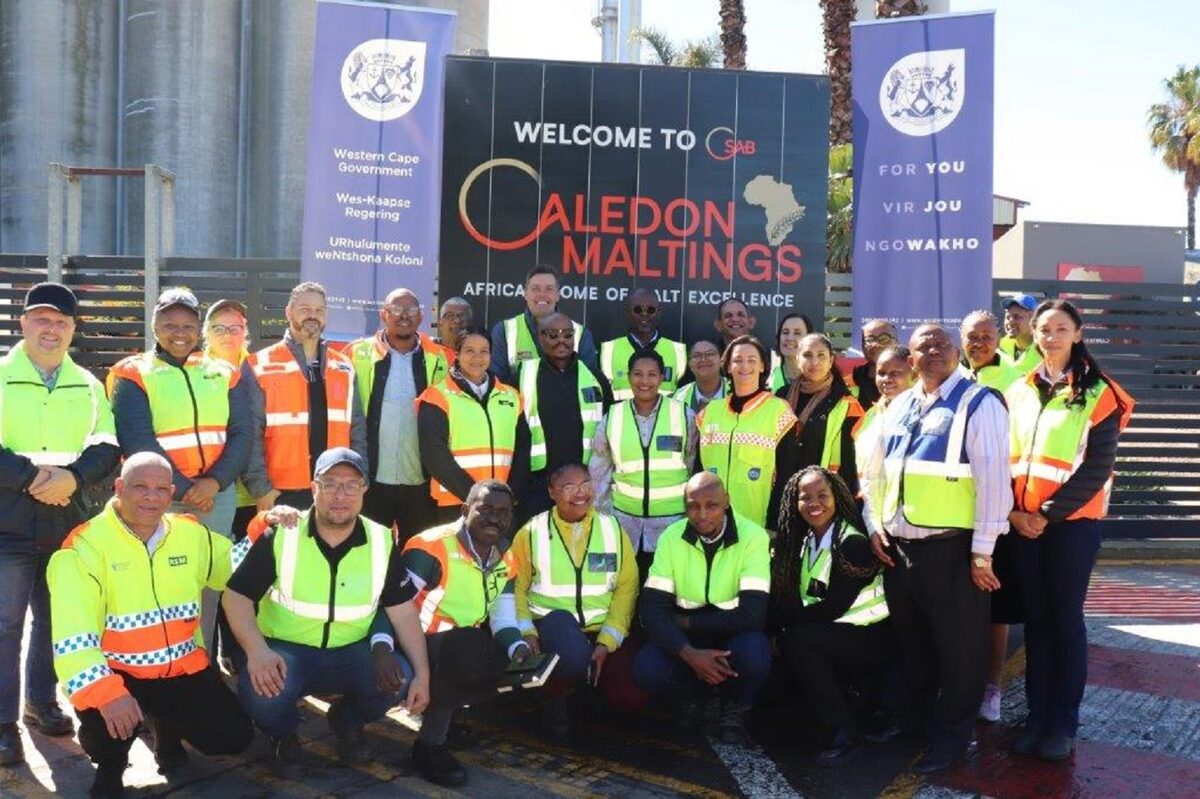
MEC Sileku and officials from the provincial Mobility Department visited SA Breweries’ Caledon Maltings facility last week as this plant is seen as an essential private-sector partner in strengthening freight efficiency and provincial supply chains. The Caledon Maltings plant also plays a key role in the Western Cape economy, supporting hundreds of jobs and driving demand for freight, local agriculture, packaging, distribution, and retail.
Sileku stated: “SAB shows how production and distribution drive jobs, support local farmers, and keep our supply chain moving, reminding us how vital our road and rail networks are.”
SAB CEO, Richard Rivett-Carnac said, “As SAB, we recognise that partnering with government is essential to our success. We are committed to building an efficient logistics system that not only supports the Western Cape’s economy, but contributes to the broader economic growth of South Africa. We believe that such a system will create a more balanced transport mix where increased rail utilisation also results in more efficient road freight operations.”
As part of Freight Focus Month, the Western Cape Mobility Department recently also visited Two-a-Day in Grabouw, one of the province’s largest fruit producers and exporters, to highlight the crucial role that freight plays in getting food from farms to markets, both locally and abroad.
The department engaged Two-a-Day’s leadership, logistics and packhouse teams, along with shareholders, Link Supply Chain Management and TruCape, to better understand the challenges facing rural freight, from high-risk road infrastructure, port inefficiencies and gaps in cold chain capacity, to high transport costs. Discussions focused on how government and the private sector can work together to address these issues through collaborative planning, targeted investments and innovation.
Sileku said, “Without strong agricultural freight, crops don’t move, markets stall, and rural economies suffer. When freight works, our province works – jobs grow, food reaches families, and our economy thrives.”
Corrine Gallant, Deputy Director of Freight at the Mobility Department, added, “Behind every fruit we eat is a chain of people, trucks and systems working hard to keep it fresh and moving. This visit was about listening to the industry and strengthening those systems to serve more residents, more effectively.”
Insights from the Overberg pilot will inform the roll-out of similar rail-led logistics solutions across the province, solidifying the Western Cape’s role as South Africa’s leader in sustainable and export-driven freight logistics.
Key goals of the pilot include:
· Shifting at least 10% of corridor freight (900 000 tons per year) from road to rail, removing an estimated 40 000 truck trips from the N2 annually.
· Reducing exporters’ logistics costs by up to 30% for long-haul shipments, boosting competitiveness for Overberg crops and goods.
· Cutting freight-related carbon emissions by as much as 70% per ton.
· Attracting public-private partnerships to fund and operate services, with reliable two-way cargo flows, export goods outbound, and inputs like packaging and fertiliser inbound.
The project will also explore the long-term opportunity to close the 60 km Protem–Swellendam rail gap, which could expand the catchment area and improve network efficiency.
“Freight and logistics are the lifeblood for the seamless movement of goods from point of origin to final destination. With this Business Case, we aim to achieve our bold goal of moving freight from road to rail, one corridor at a time, ” Minister Sileku concluded.