
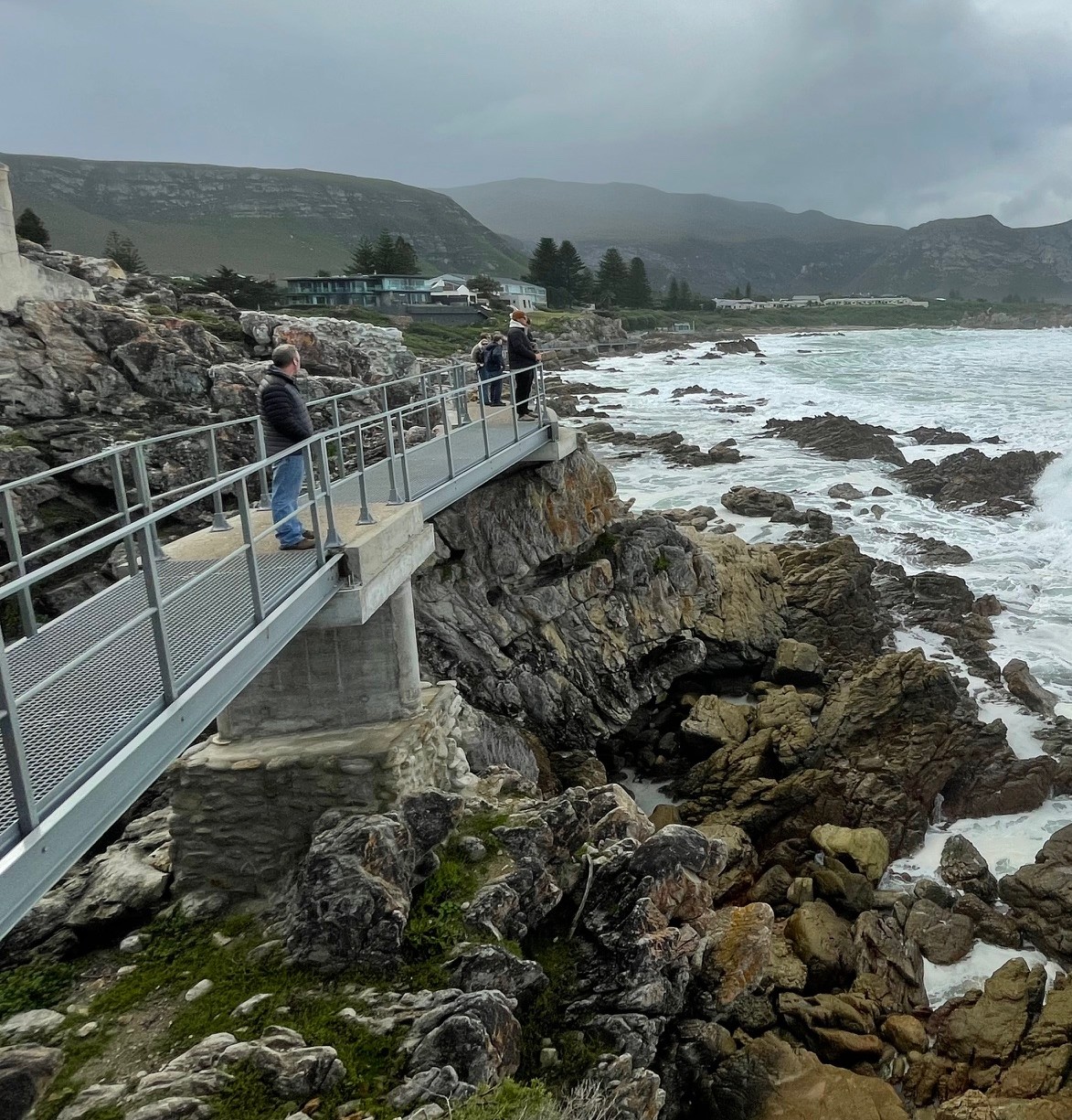
Years of legal battles, environmental concerns, and property disputes kept walkers from enjoying an uninterrupted seaside stroll – until persistence finally paid off
Picture this: You’re walking along one of South Africa’s most spectacular coastal paths, drinking in the ocean views and scanning the waves for southern right whales, when suddenly—the path vanishes.
For years, this jarring interruption defined the Hermanus coastal experience. What should have been a seamless 12 km journey along dramatic cliffs became a frustrating puzzle with a missing piece right in the middle.
The culprit? An 800 m gap that turned the town’s crown jewel into a tale of two walks.
The story behind the gap reads like a textbook case in South African land politics. At its heart lay a complex web of competing interests: private landowners protecting their coastal properties, environmental groups safeguarding sensitive ecosystems, and community groups lobbying for right of access for the broader public.
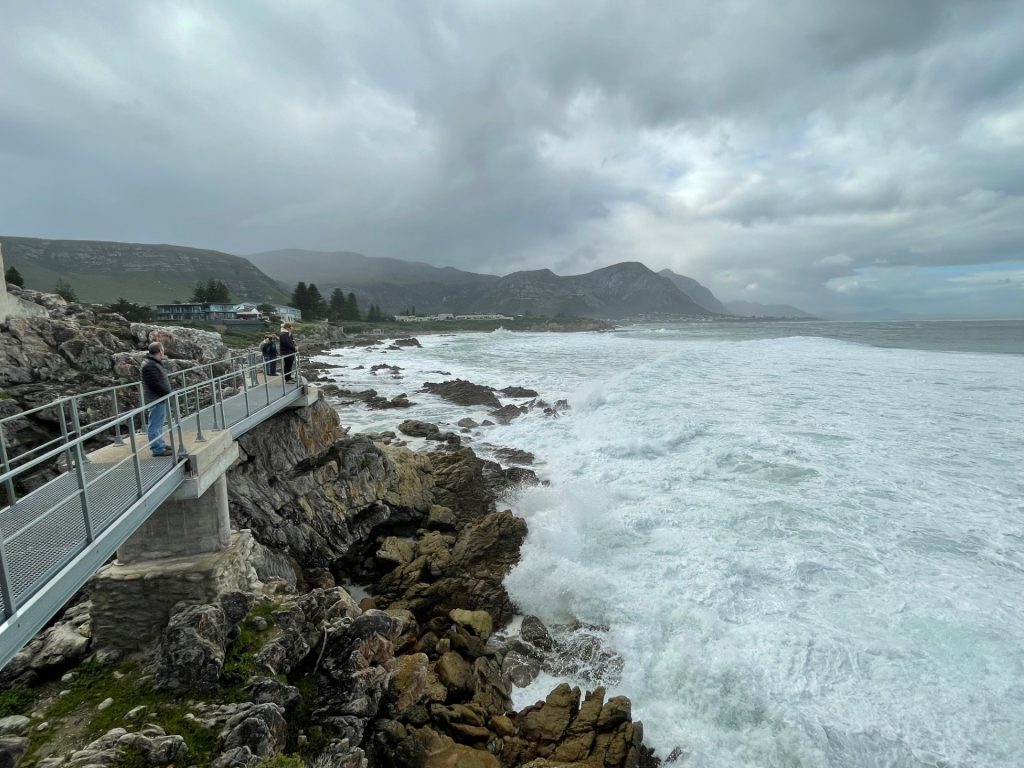
The missing 800 m cut right through privately owned coastal land, creating a legal and logistical nightmare. Environmental regulations added another layer of complexity – any development along this pristine stretch required extensive impact studies and careful planning to protect the area’s unique fynbos vegetation and marine ecosystems.
While lawyers and planners debated, real people paid the price. Families with young children faced dangerous detours along busy roads. Elderly visitors and those with mobility challenges found themselves cut off from half the walk. Tour operators watched frustrated tourists abandon the route midway through.
Community groups, such as the Cliff Path Action Group (CPAG), became increasingly vocal, organising petitions and lobbying municipal officials. Tourism operators, recognising the economic impact of an incomplete attraction, joined the chorus. The gap wasn’t just an inconvenience – it was undermining Hermanus’s reputation as a world-class whale-watching destination.
The breakthrough came through sustained pressure from especially the CPAG, and what can be describe as “creative problem-solving.” While specific details of the final agreement remain confidential, sources indicate the resolution involved multiple stakeholders finding common ground.
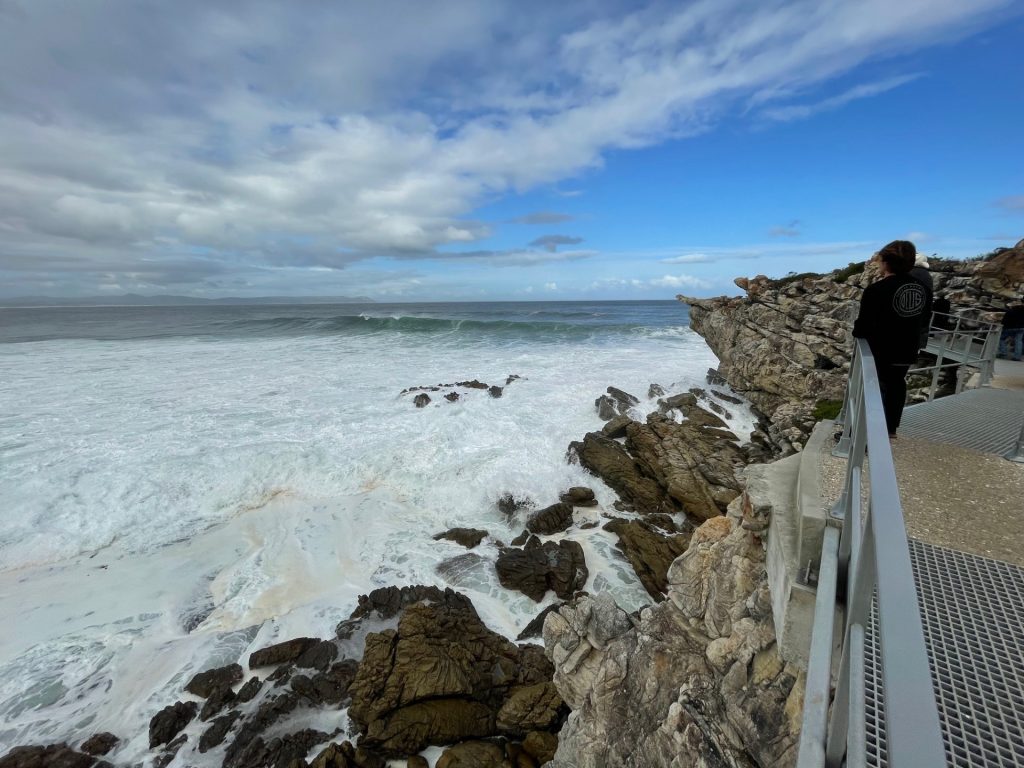
Key to the success was securing funding that addressed both public access and private property concerns. Environmental groups were brought into the planning process early, ensuring the new pathway met strict conservation standards. Legal teams navigated the complex web of coastal property laws.
“It required everyone to give a little,” reflects one observer close to the negotiations. “Private landowners needed assurances about liability and access control. Environmental groups needed guarantees about ecosystem protection.”
The final design incorporated elevated boardwalk sections in environmentally sensitive areas, minimal vegetation disturbance, and careful routing that respected both conservation needs and property boundaries.
Today, walkers can complete the full 12 km journey without interruption. The new pathway blends seamlessly with existing sections, featuring the same high-quality construction and thoughtful design that made the original route so popular.
For tourism operators, the completion represents more than infrastructure – it is validation of Hermanus’s commitment to accessibility and visitor experience. For conservationists, it demonstrates that development and environmental protection can coexist with proper planning.
Perhaps most importantly, it’s a victory for the power of community persistence. Years of advocacy, lobbying, and refusing to accept “impossible” as an answer finally paid off.





You must be logged in to post a comment.