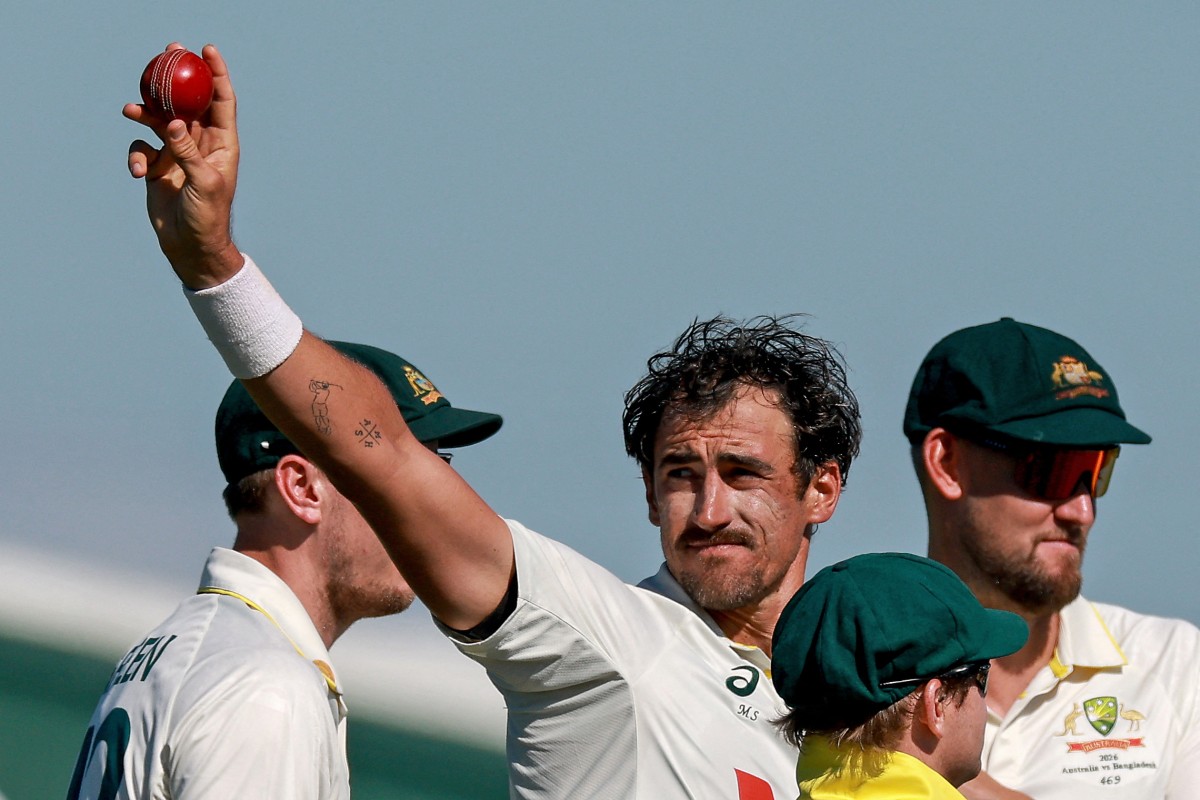
Josh Hazlewood produced a devastating spell of fast bowling to rip the heart out of South Africa’s batting line-up, steering Australia to a comprehensive 214-run victory on day five at Kingsmead and seizing the early advantage in a Test series eight years in the making.
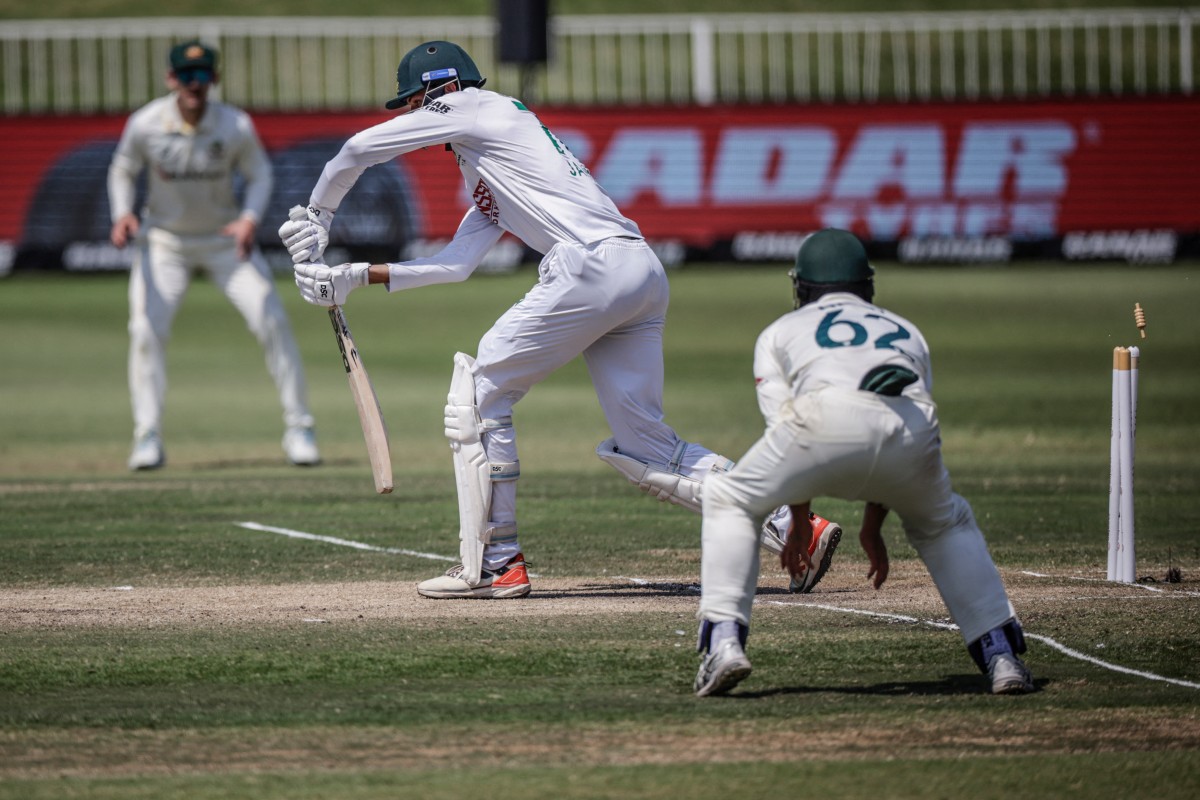
The New South Wales speedster was utterly unplayable when it mattered most, snatching six for 49 as the Proteas crumbled from a position of relative stability to capitulate for 206, chasing an improbable 421 for victory. Hazlewood’s clinical double-strike with the second new ball, dismissing Marco Jansen and Simon Harmer in the space of four deliveries, triggered a spectacular collapse that saw the final four wickets tumble for just five runs across 16 balls.
The emphatic triumph marks Australia’s first Test series win on South African soil since the bitter fallout from the 2018 sandpaper scandal, adding extra significance to the result.
“It’s a great way to kick off a series, particularly from the position we were in on day one,” beamed Australian skipper Pat Cummins, reflecting on a remarkable turnaround after his side had slumped to 124/6 in the opening session. “Clawing our way back, kind of grinding it out, and then once we had the lead, not giving it back, I think our standards were very high for the last three or four days.”
Markram’s lone resistance
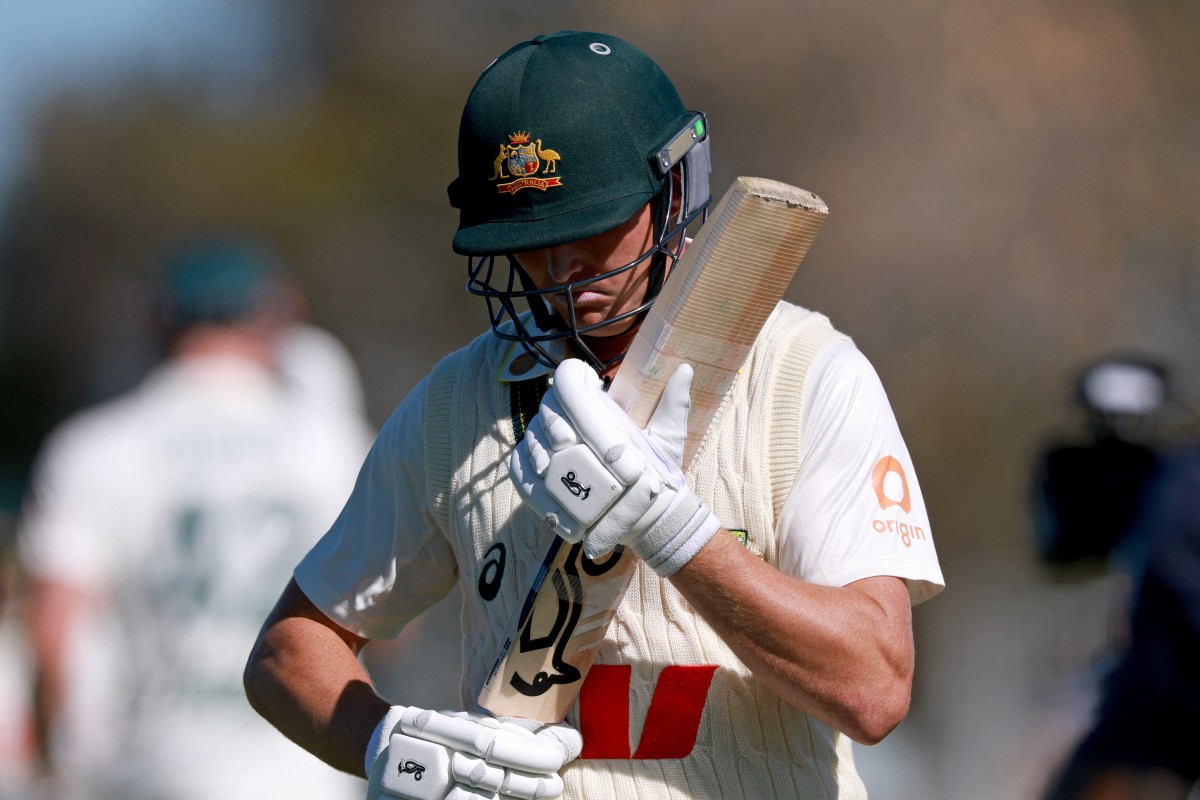
Aiden Markram provided the only genuine resistance for the world Test champions, defying Australia’s attack for just one minute shy of six hours en route to a gritty 75. The right-hander batted with composed determination alongside Wiaan Mulder (29) through the first 110 minutes of the day, offering South Africa a glimmer of hope before the Australian machine kicked into gear.
A double bowling change unlocked the door. Mulder fell caught down the legside by wicketkeeper Alex Carey off Hazlewood after a stubborn 139-minute vigil spanning 110 deliveries. One over later, player of the match Matt Renshaw, already the hero with innings of 190 and 82, turned tormentor with the ball, dismissing Kyle Verreynne with his very first delivery.
The South African wicketkeeper, attempting an ambitious drive at a wide off-break, could only edge to Steve Smith at slip for a single. It was Smith’s fifth catch of a remarkable match in which he became Test cricket’s all-time leading catcher, and capped a dream return after being cleared to play following Monday’s concussion scare.
Renshaw’s golden Test continued, his first wicket in the longest format adding to his earlier dismissal of Temba Bavuma on Monday. For a player who’d waited nearly a decade between Test centuries, the Queensland left-hander couldn’t have scripted a more perfect comeback.
The final blow
Markram and Marco Jansen (35) briefly threatened to drag the contest deeper into the final session, posting a 45-run partnership that frustrated Australia’s quest for the knockout punch. But Hazlewood, operating with the second new ball, delivered the decisive blows.
He shattered Jansen’s stumps in the fourth over with the fresh cherry, then three deliveries later induced a sharp lifter that Harmer could only glove through to Carey. The end came swiftly after Markram departed ninth out, caught behind off Mitchell Starc via an inside edge, leaving South Africa’s tail exposed and capitulating.
Bavuma’s learning curve
For Temba Bavuma, the defeat marked his first loss in 13 Tests as captain and served as a harsh reintroduction to the format after an 11-month absence. The Proteas skipper acknowledged his side had been outplayed by a more experienced outfit.
“They showed their experience, they showed their skill to get themselves into a very competitive position,” Bavuma admitted. “You don’t want to give them that opportunity to play the game from the front. I think a lot of the mistakes we made out there were mental.”
South Africa will need to regroup quickly ahead of the second Test in Gqeberha starting Sunday, though Bavuma hinted that key strike weapon Kagiso Rabada is likely to return from injury, a boost the hosts desperately need as they attempt to level the series.