

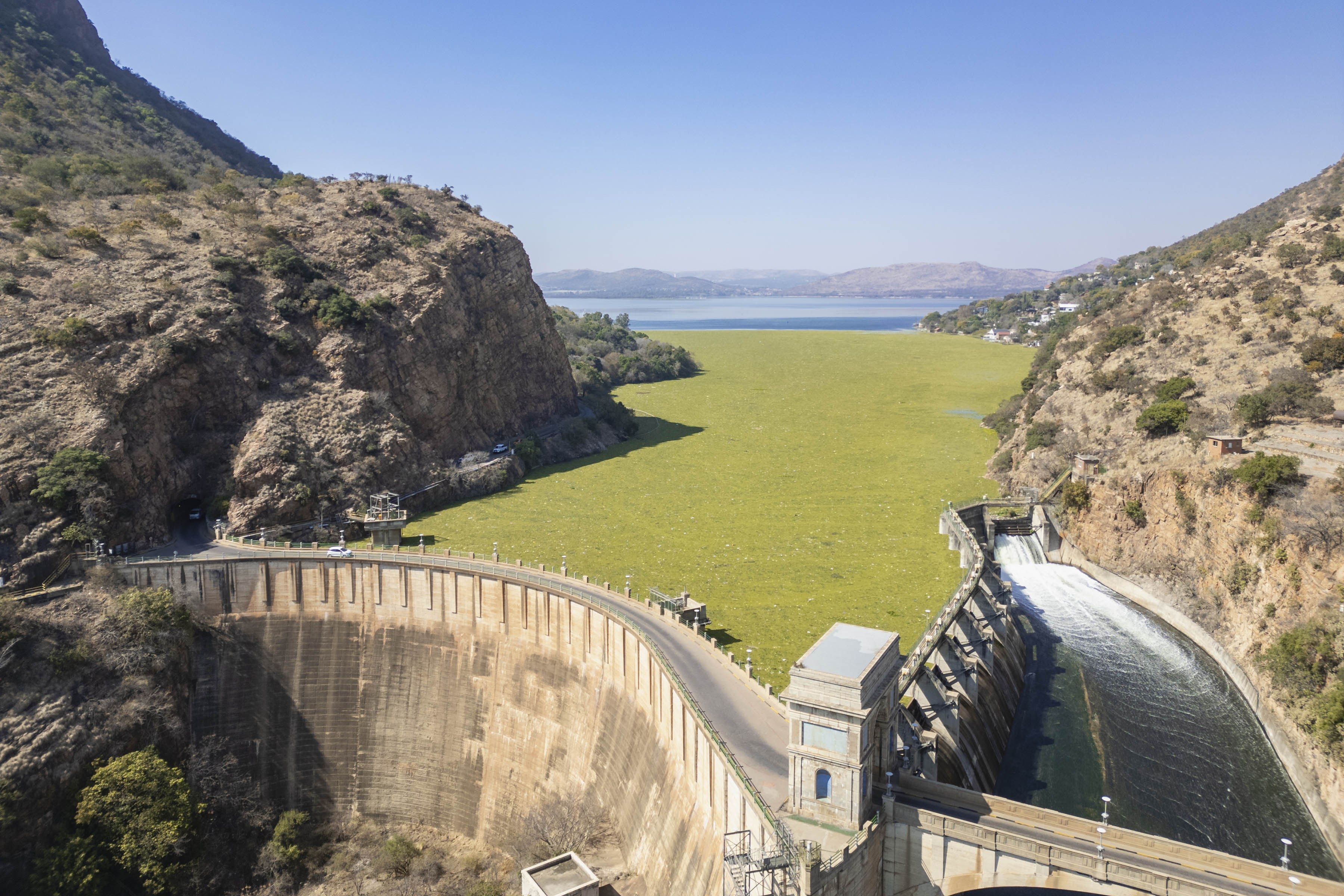
GAUTENG – The Hartbeespoort Dam (“Harties”) continues to suffer from severe, near-continuous ecological degradation characterised by thick mats of cyanobacteria (blue-green algae) and invasive water hyacinth.
While runoff from agricultural activities, including golf courses, contributes to the nutrient loading, the primary cause of the crisis is underlying nutrient pollution from urban sewage runoff via the Crocodile and Hennops rivers, leading to severe hypereutrophication.
By March 2026, intensive cleanup efforts and biological controls reduced the hyacinth coverage to under 10% of the dam’s surface, down from much higher levels in late 2025.
Scientists are using thousands of tiny insects known as Megamelus scutellaris (Water Hyacinth Planthoppers) as a biocontrol agent. These agents cause stress to the plant, causing them to turn brown and sink, a process that works cyclically.
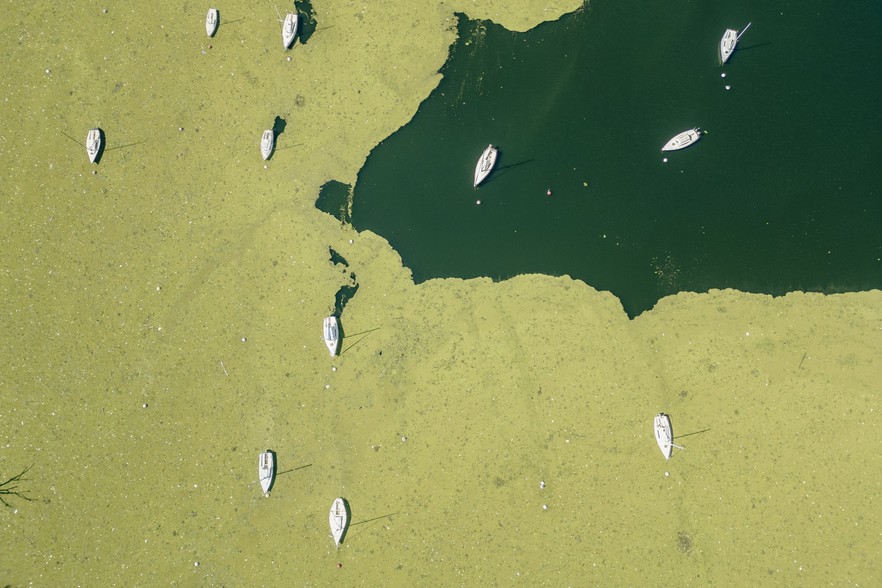
While hyacinth is being managed, the water itself is highly contaminated with cyanobacteria (blue-green algae), which turns the water into a “pea soup”.
Magalies Water has been appointed to implement a three-year eradication program using mechanical harvesters and cleaners to remove the biomass.
The thick infestation of water hyacinth covering significant portions of the water surface, which creates the appearance of a “green mat”. While this is often described as green slime, it is in fact largely invasive plants (hyacinth) mixed with harmful algal blooms (cyanobacteria) fueled by high levels of sewage pollution and nutrients.
ALSO READ: Cape Town environmental group celebrates 500th cleanup
A 2022 satellite photo shows a thick mat of blooming algae and invasive aquatic plants spreading across the surface of the reservoir at South Africa’s Hartebeespoort Dam. The verdant mass is both toxic and capable of depleting the water’s oxygen levels.
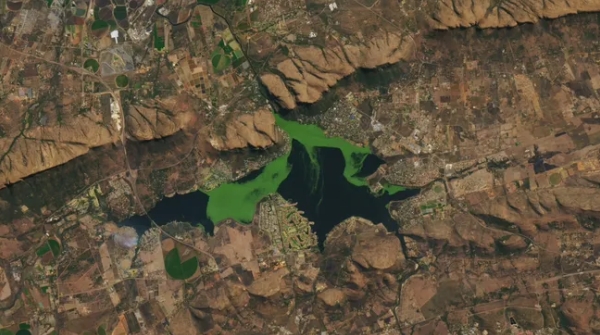
A striking satellite photograph shows a verdant mass of algae and other aquatic plants sprawling across the surface of a recreational reservoir in South Africa. This frequent phenomenon releases toxic chemicals into the water and gives rise to hidden “dead zones” that can cause widespread fish fatalities.
ALSO READ: Mass fish deaths at Hartenbos attributed to various environmental issues
Hartebeespoort dam is an artificial water source lies just south of the Magaliesberg mountains, which are partially visible along the top of the image.
In addition to providing fresh water to nearby cities and farms, it is used for recreational activities, including fishing and water sports.
Most large bodies of water experience seasonal blooms, where photosynthetic algae, or cyanobacteria, rapidly multiply and spread across their surfaces due to changes in weather or nutrient inflow.
However, the Hartbeespoort reservoir is in a constant state of “hypereutrophication,” which means it has an overabundance of nutrients, such as nitrogen and phosphorus. As a result, the blooms there are much more frequent and intense, according to NASA’s Earth Observatory.
“On clear days … satellite images often reveal a reservoir with shades of deep blue interrupted by drifting patches of vivid green,” Earth Observatory representatives wrote.




You must be logged in to post a comment.