

MPUMALANGA – Government has launched a national framework to transform truck-stop facilities into professionally managed sites where drivers can park, rest and access essential services, in a move aimed at building a safer freight logistics system.
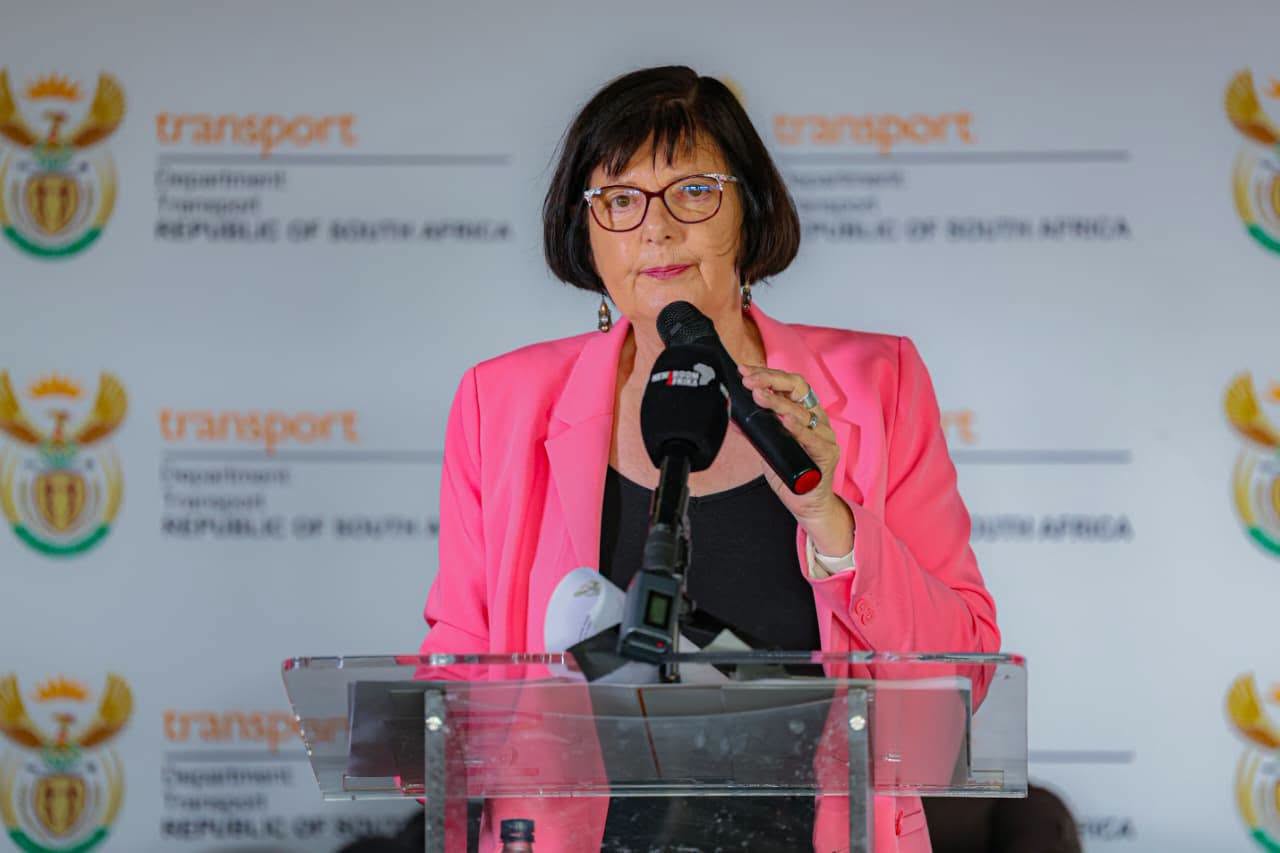
Minister of Transport Barbara Creecy announced the National Truck Stop Framework at the Sasol N17 Truck Stop in Mpumalanga on Thursday, 17 September, saying it responds to findings that identified widespread challenges at truck-stop facilities.
These include inadequate and unsafe parking areas, insufficient lighting and security, inadequate ablution and shower facilities, limited access to driver wellness services, inconsistent standards across facilities, and insufficient provision for women working in the road freight sector.
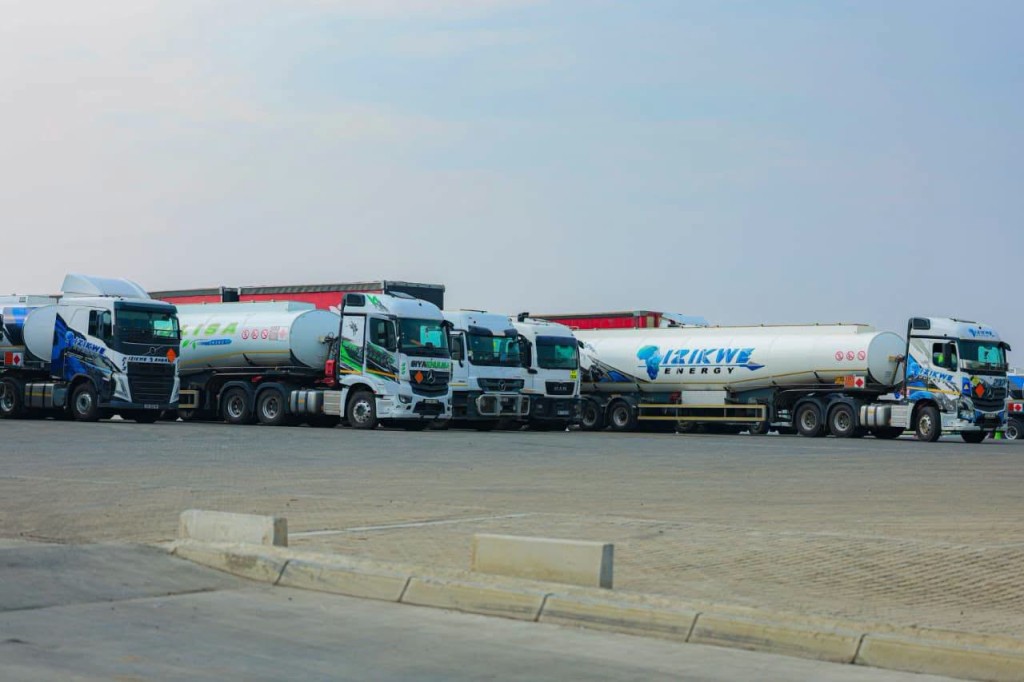
“We also observed trucks parked along roadsides and in other unsafe locations because appropriate rest facilities were either unavailable, inaccessible, or inadequate,” Creecy said.
“These conditions have implications beyond driver comfort. They affect road safety, driver fatigue, freight efficiency, cargo security, the dignity of drivers and ultimately the performance of our logistics system,” the Minister said.
Coordinated national approach
The National Truck Stop Framework, developed by the National Department of Transport, establishes a coordinated approach to the planning, development, management, standardisation and improvement of truck-stop facilities across the country. It provides common strategic direction for government, truck-stop operators, freight operators, investors and other stakeholders.
“The Framework seeks to ensure that truck stops increasingly become safe, secure and professionally managed facilities where drivers can park, rest and access essential services. It introduces an approach for assessing and classifying facilities according to the level of security and amenities provided,” Creecy said.
“This is important because a truck driver should be able to understand the level of service and security that can reasonably be expected from a particular facility, but this Framework is about much more than parking trucks,” she said.
“One of the strongest messages emerging from the development of this Framework is that we cannot discuss freight efficiency without discussing the people who move that freight,” Creecy added.
Fatigue a major safety concern
Creecy said driver fatigue remains an important road safety concern, noting that fatigue-related driver error has emerged as one of the major causes of vehicle crashes.
“A driver who has been travelling for several hours requires a safe place to stop, rest, eat, shower and recover before continuing a journey. Our objective must be to create an environment where taking a proper rest break is not regarded as an inconvenience, but as a normal and essential part of professional freight operations,” the Minister said.
“Therefore, providing appropriate rest infrastructure must form part of our broader approach to road safety. Truck stops can also become important platforms for delivering wellness interventions, including health screening, fatigue awareness, road safety education and other support services targeted at professional drivers,” Creecy said.
Gender-responsive facilities needed
During site visits, it emerged that some truck-stop facilities were not designed with women drivers in mind.
“The absence of dedicated ablution and shower facilities, adequate lighting, appropriate security measures and other gender-responsive facilities can become a practical barrier to women entering and remaining in the industry. However, infrastructure alone will not address this challenge,” Creecy said.
“The National Truck Stop Framework therefore contributes to a broader objective: building a freight logistics sector that draws its skills and talent from the full diversity of South African society,” she said.
Implementation the next phase
The Minister said the framework will have value only if it is implemented.
“Today’s launch must therefore not be viewed as the conclusion of this process. It marks the beginning of the next phase. The Department will continue working with provinces, municipalities, our Transport Entities, industry associations, truck stop operators, freight operators, organised labour and other partners to advance implementation,” Creecy said.
“Our success should ultimately be measured not by the number of documents we produce, but by what changes on the ground for truck drivers and the freight industry,” the Minister said.
ALSO READ: Government pushes for zero percent alcohol limit for drivers



You must be logged in to post a comment.