South Africa’s free basic electricity allocation for indigent households will be increased after the current 50 kilowatt-hour limit was deemed no longer adequate for modern household needs.
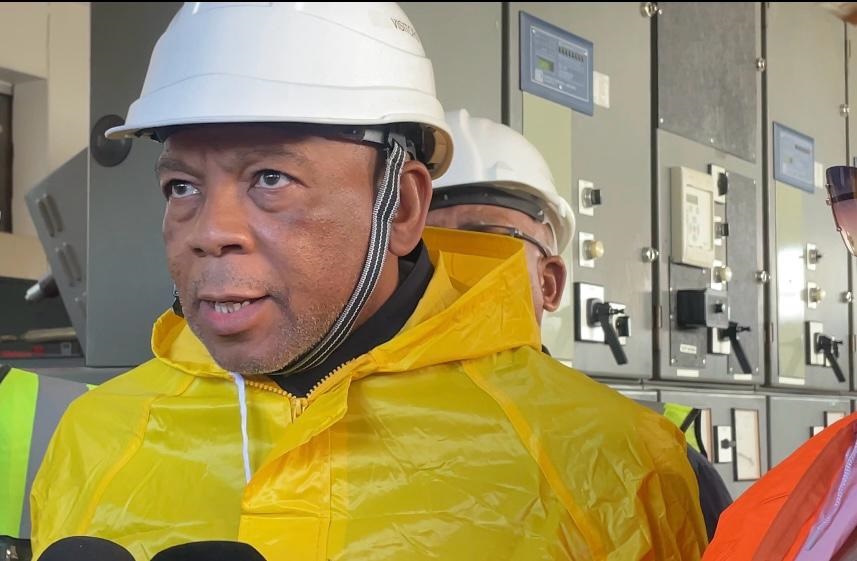
Electricity and Energy Minister Kgosientsho Ramokgopa told the National Assembly last week that the allocation will be reviewed as part of a broader electricity pricing policy to be released for public comment.
The free basic electricity programme was introduced in 2003 after government recognised that although electricity was available to many households, it remained unaffordable for the poor. The 50 kWh allocation was determined based on consumption patterns at the time.
“Twenty-three years later, that number is no longer relevant because the profile of consumption has changed, and the average poor household now has a television and various other electrical appliances,” Ramokgopa said.
He confirmed the allocation will increase but did not specify the new quantum, saying this will be announced when the electricity pricing policy is released. The minister said the increase will not place additional burden on the national fiscus.
Implementation challenges
Ramokgopa revealed significant gaps in the programme’s implementation. About 2,1 million households qualify for free basic electricity, but only 400 000 currently receive it. A further 1,69 million households remain without electricity access entirely.
Ramokgopa said municipalities were partly to blame for the poor reach of the programme, with allocated funds sometimes redirected to other municipal spending pressures.
ALSO READ: Nersa approves 8.76% Eskom tariff hike amid calculation error controversy
To address this, government is introducing smart metres that will allow free basic electricity to be allocated directly to qualifying households, bypassing municipal systems.
“It means that from the National Treasury, once that allocation comes, we are able to directly subsidise the end-consumer without having to go through the conduit of the municipality,” the minister said.
ALSO READ: Eskom accelerates smart meter installation, targeting Philippi this weekend
Alternative energy sources
Ramokgopa said government is designing instruments to support the cost of primary energy and will use multiple energy sources to ensure affordability. He said the intervention will not significantly impact other consumer classes through cross-subsidisation.
The minister said a national policy will be determined to standardise and enforce implementation across municipalities, with the finance minister ensuring allocations reach end-consumers.
The public consultation process will determine when the increased allocation takes effect.
ALSO READ: Gauteng schools face power cuts over unpaid municipal bills despite receiving funds