The government has released draft legislation that proposes fines of up to R100 million and prison sentences of 30 years for illegal mining activities, as the country grapples with a crisis that has claimed lives and devastated communities.
Justice and Constitutional Development Minister Mmamoloko Kubayi on Tuesday urged South Africans to comment on the General (Mining) Laws Amendment Bill 2026, which seeks to criminalise illegal mining and related activities for the first time.
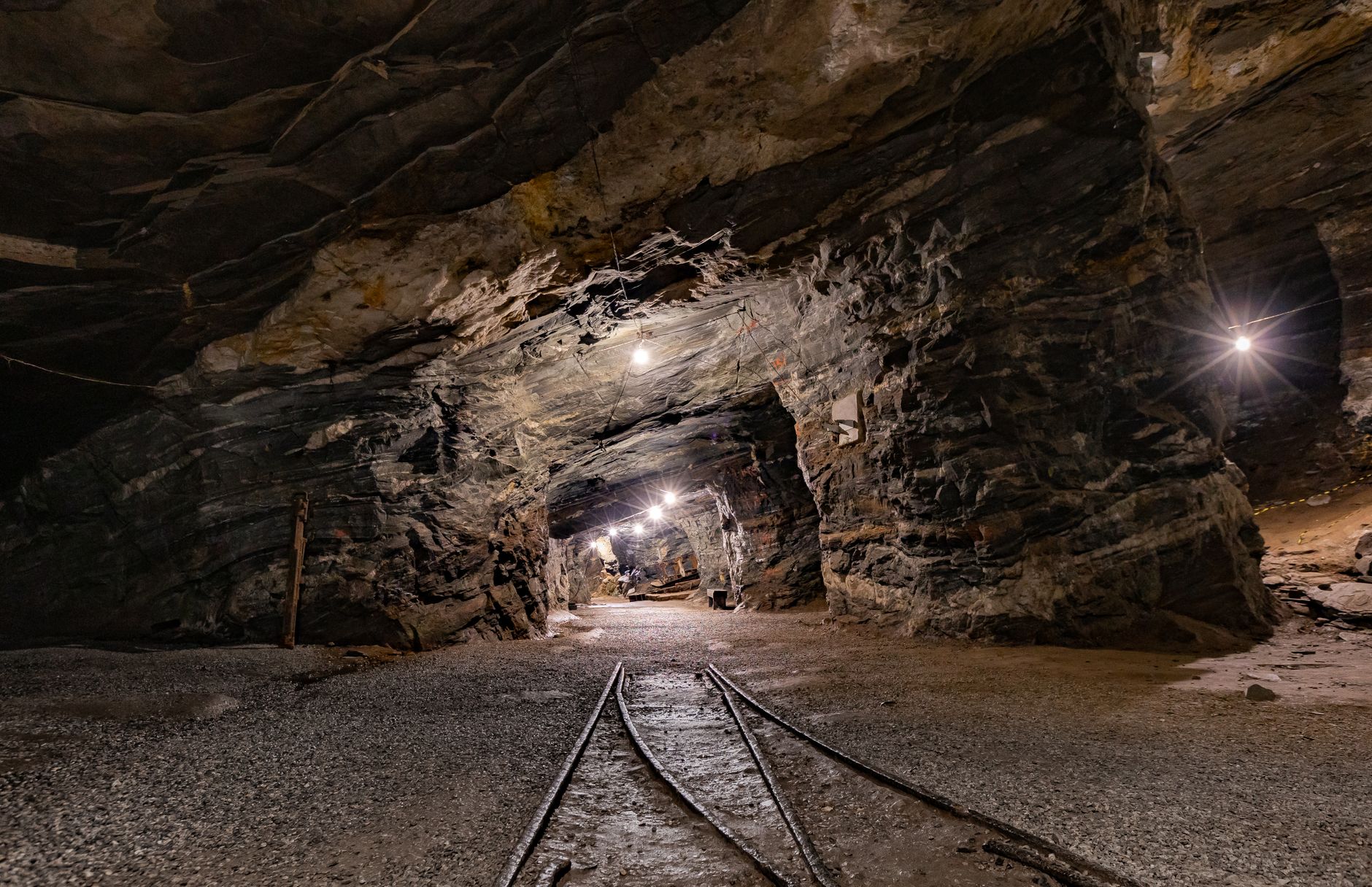
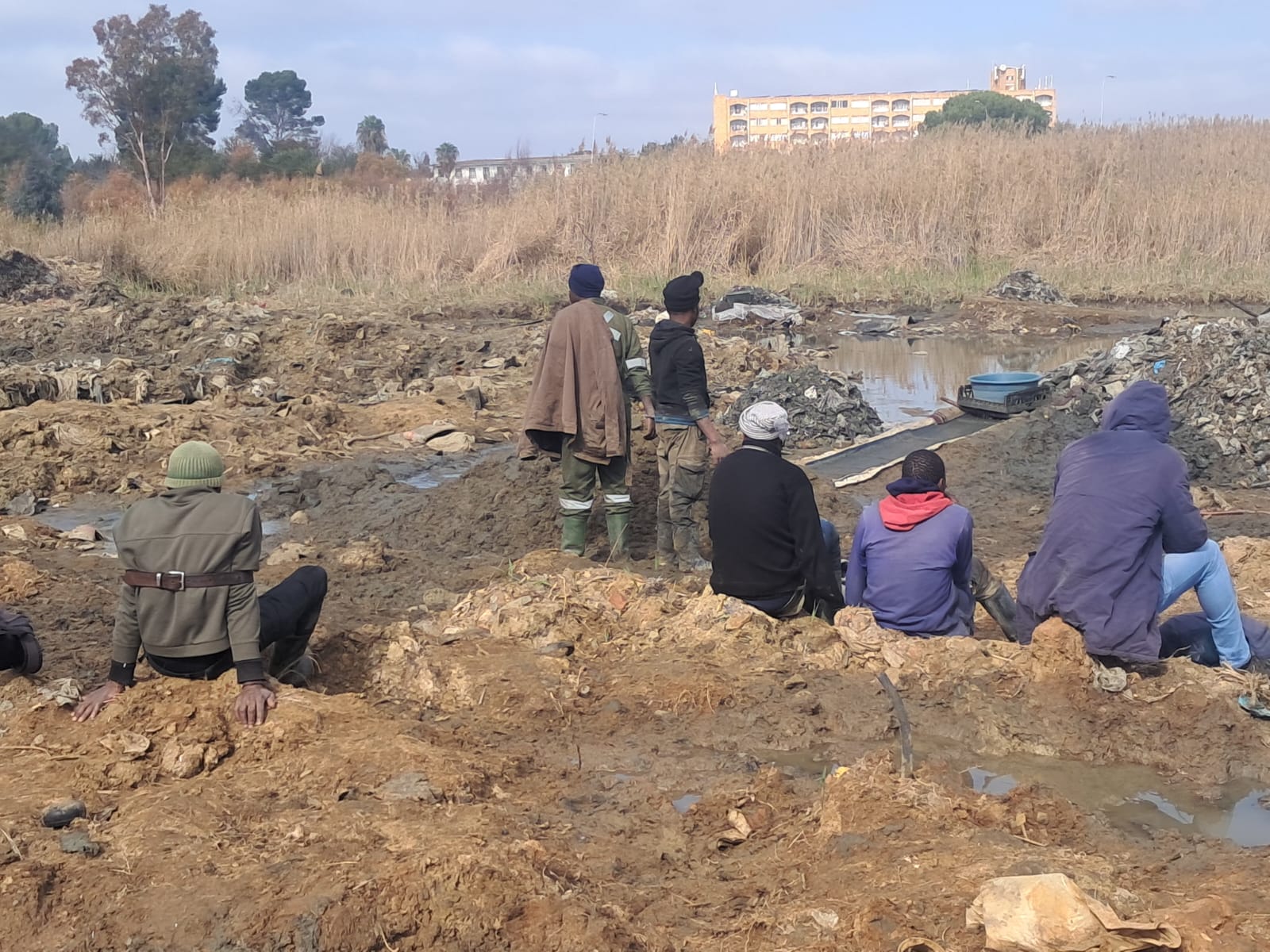
The announcement came just hours after a rockfall at an abandoned mine near Rustenburg killed at least 14 miners and left scores injured. Most of the victims were from Lesotho, working as “zama zamas” – illegal miners who scavenge abandoned shafts under dangerous conditions.
“This bill seeks to address the challenges that South Africa is experiencing in relation to illicit mining in that, while illicit mining is prohibited, illicit mining and the activities related to illicit mining, are not criminal offences,” Kubayi said at a media briefing.
Massive fines and lengthy prison terms
The proposed amendments to existing legislation include significant increases to penalties. Under the Diamonds Act, fines would increase from R250 000 to R100 million, while imprisonment would rise from 10 years to 30 years for certain contraventions.
For other offences under the act, fines would jump from R100 000 to R100 million, with prison terms increasing from four years to 30 years.
The bill proposes amendments to the Criminal Procedure Act of 1977, the Diamonds Act of 1986, the Mineral and Petroleum Resources Development Act of 2002, and the Precious Metals Act of 2005.
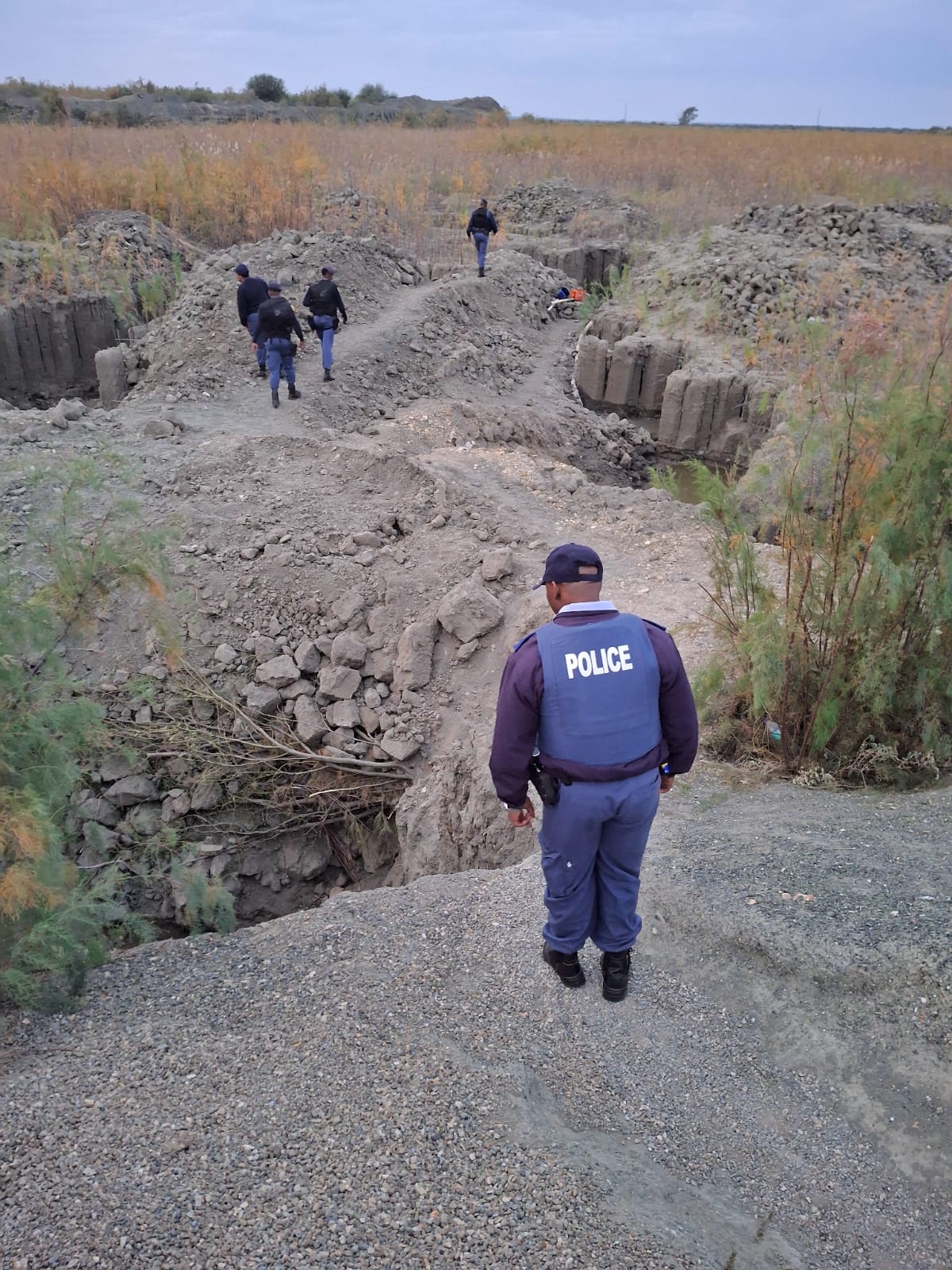
One key change would empower South African Police Service members to carry out compliance functions under the Mineral and Petroleum Resources Development Act, though they would not conduct routine inspections or issue compliance notices.
Kubayi said the bill is not aimed at artisanal miners with permits but at those mining illegally.
Infrastructure damage and organised crime
Illegal mining has caused extensive damage to infrastructure in affected areas, including underground water pipes that compromise water security. Sinkholes have appeared in communities near mining towns, posing serious safety threats.
The minister noted that illicit mining has been linked to kidnapping, human trafficking, child labour and forced labour. Illegal mining gangs are involved in violent crimes including illegal firearms possession, rape, murder, intimidation, housebreaking, theft, assault and corruption in nearby communities.
Thousands of unregistered miners from across the region work in South Africa’s abandoned mine shafts, driven by poverty and unemployment. Around 6 000 derelict and ownerless mines and abandoned mining sites exist in the country.
President Cyril Ramaphosa announced the deployment of the army in February to help police combat illegal mining.
Previous deadly incidents
The Rustenburg tragedy follows other fatal incidents. Nearly two years ago, around 90 clandestine miners lost their lives when police blocked a disused gold mine near Stilfontein, west of Johannesburg, for weeks from August 2024.
Nearly 2 000 miners resurfaced during that operation, many of them illegal immigrants from neighbouring countries including Lesotho and Mozambique.
On 31 July, police arrested 24 undocumented foreign nationals in the Stilfontein area during an operation against suspected illegal gold mining.
ALSO READ: Illegal gold miners force hundreds from South African settlement
Other legislation open for comment
The minister also briefed the media on the Legal Practice Amendment Bill 2026 and the Regulation of Trusts Bill, both released for public comment.
The Legal Practice Amendment Bill seeks to enhance skills development for legal practitioners, ensure access to justice, and address practical challenges in applying the Legal Practice Act of 2014.
The Regulation of Trusts Bill aims to update the Trust Property Control Act of 1988, which has not been amended in 38 years. It seeks to address shortcomings that enable trustees to evade accountability and prevent misuse of trust structures for money laundering and other criminal activities.
A fourth bill, the Conspiracy, Instigation and Incitement to Commit Offence Bill 2026, will go directly to Parliament. It seeks to repeal the 70-year-old Riotous Assemblies Act of 1956, originally designed by the apartheid government.
The public has until 11 September to submit comments on the bills. Full documents are available on the Department of Justice and Constitutional Development website at https://justice.gov.za/index.html.
ALSO READ: UPDATE | Rockfall at illegal mine kills 14 workers near Rustenburg