
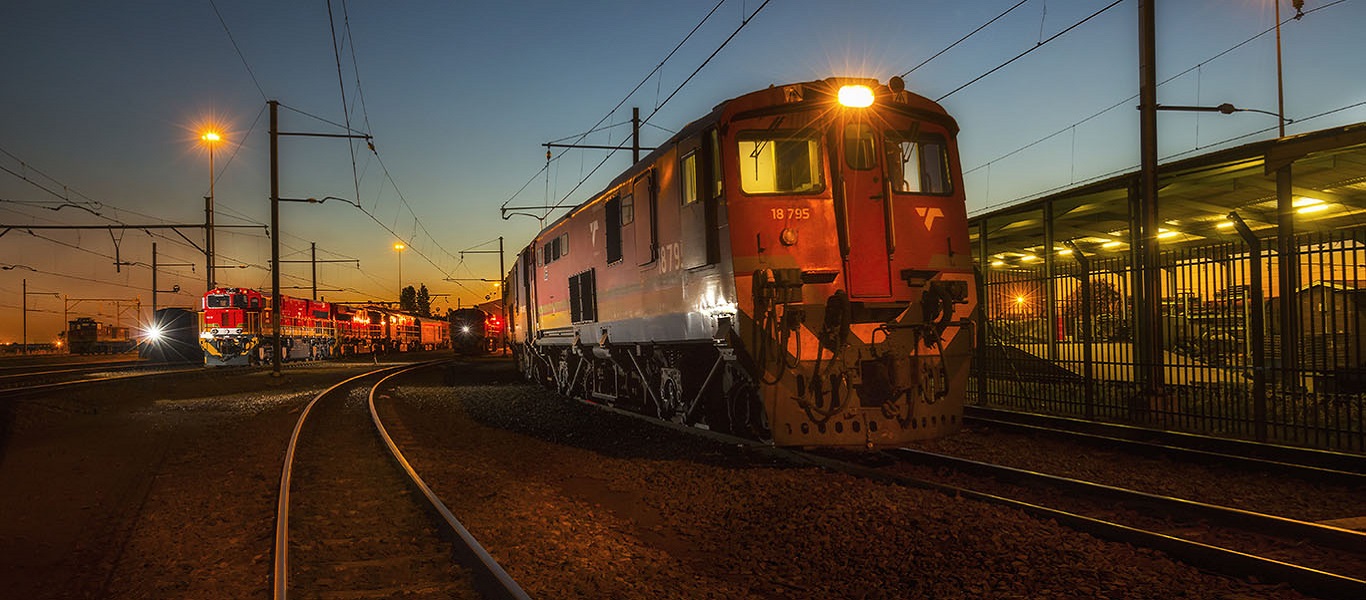
Deputy President Paul Mashatile has announced a major infrastructure push to restore South Africa’s decimated railway system, with R500 billion earmarked for infrastructure investment over the next three years.
Speaking in the National Council of Provinces on Thursday, Mashatile said R120 billion would be ring-fenced specifically for transport infrastructure, including rail rehabilitation, as government attempts to reverse decades of decline.
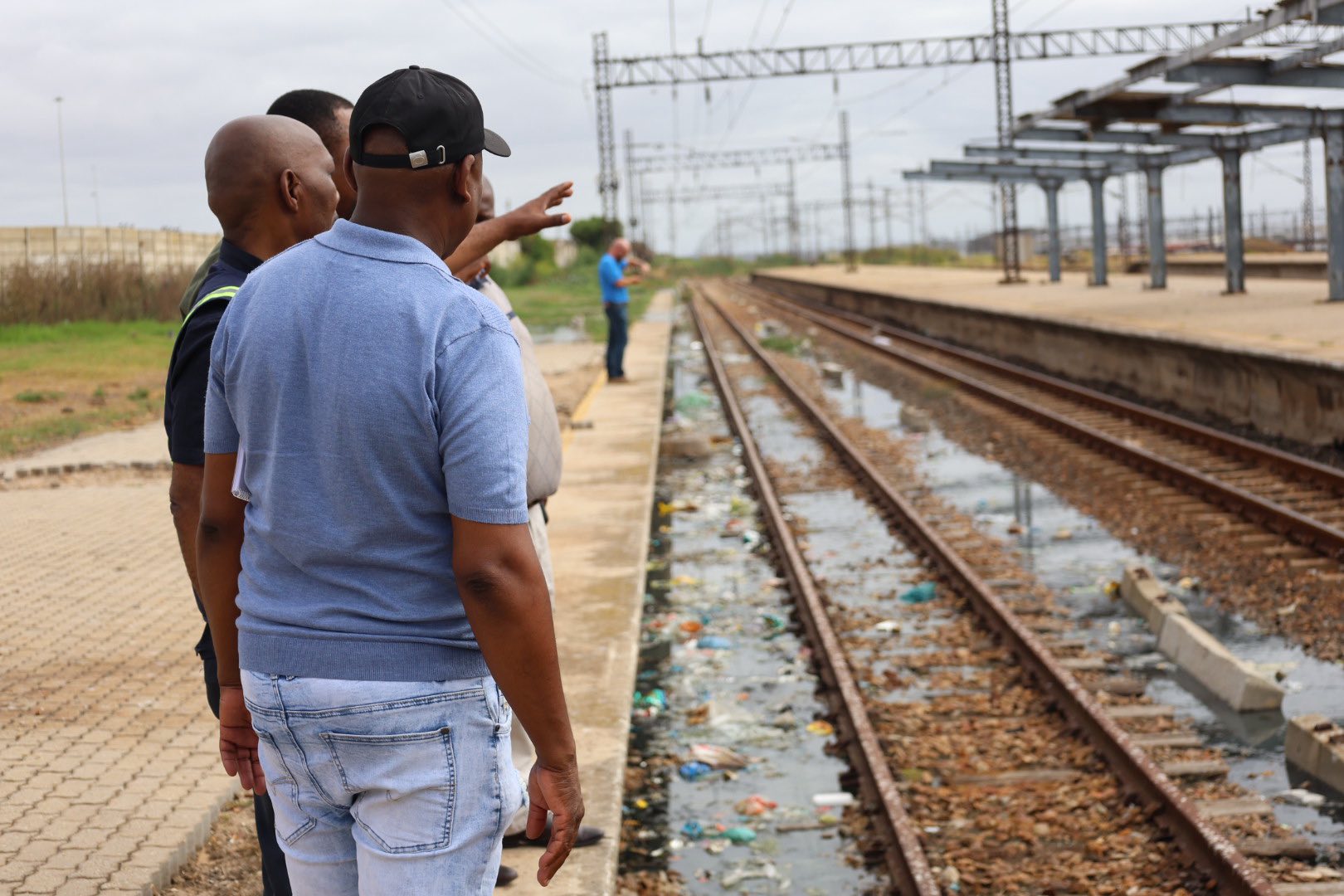
South Africa once boasted one of Africa’s most advanced railway networks, but years of mismanagement, vandalism and cable theft have brought the system to near collapse. Since 1994, approximately 3 600 kilometres of railway track have fallen into disuse, while only one in five Passenger Rail Agency of South Africa (PRASA) train stations remained functional by 2022.
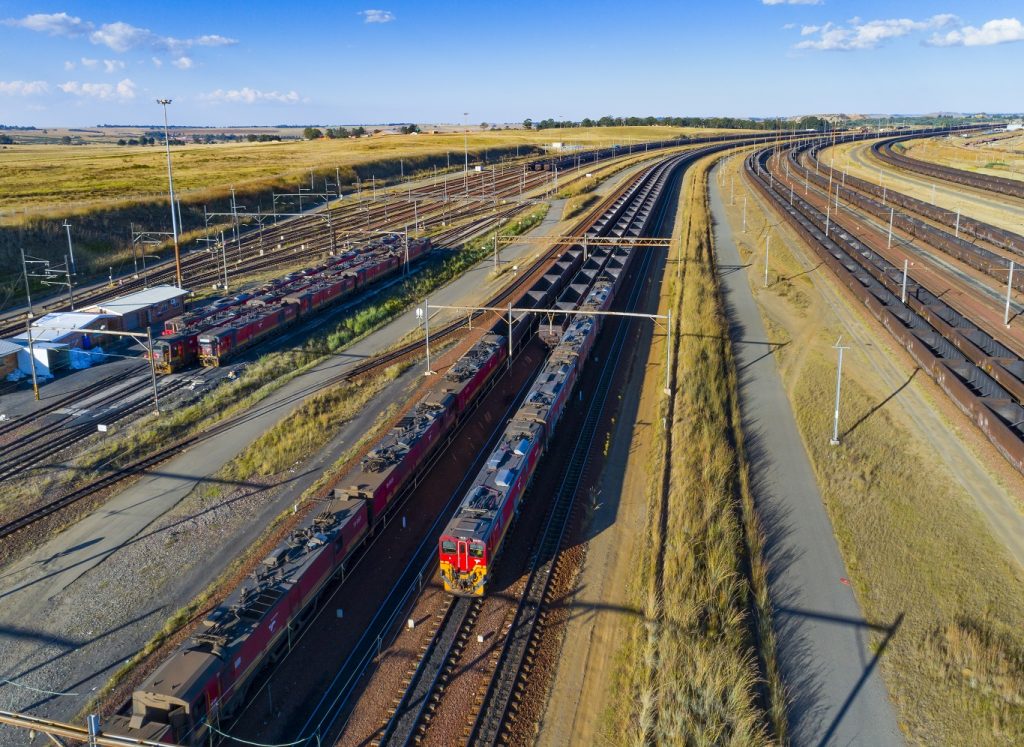
The destruction has been devastating for commuters and the economy. Passenger journeys plummeted from 49.2 million in 2013 to just 3.2 million in 2023, as organised crime syndicates stripped thousands of kilometres of copper cables and signalling equipment.
“We have prioritised stronger intergovernmental coordination, improved planning and more effective execution across the spheres of government to restore the performance of critical economic infrastructure, including rail,” Mashatile said.
Finance Minister Enoch Godongwana has already allocated R21.9 billion through the budget facility for infrastructure to support major projects, including upgrades to Transnet’s coal and iron ore corridors.
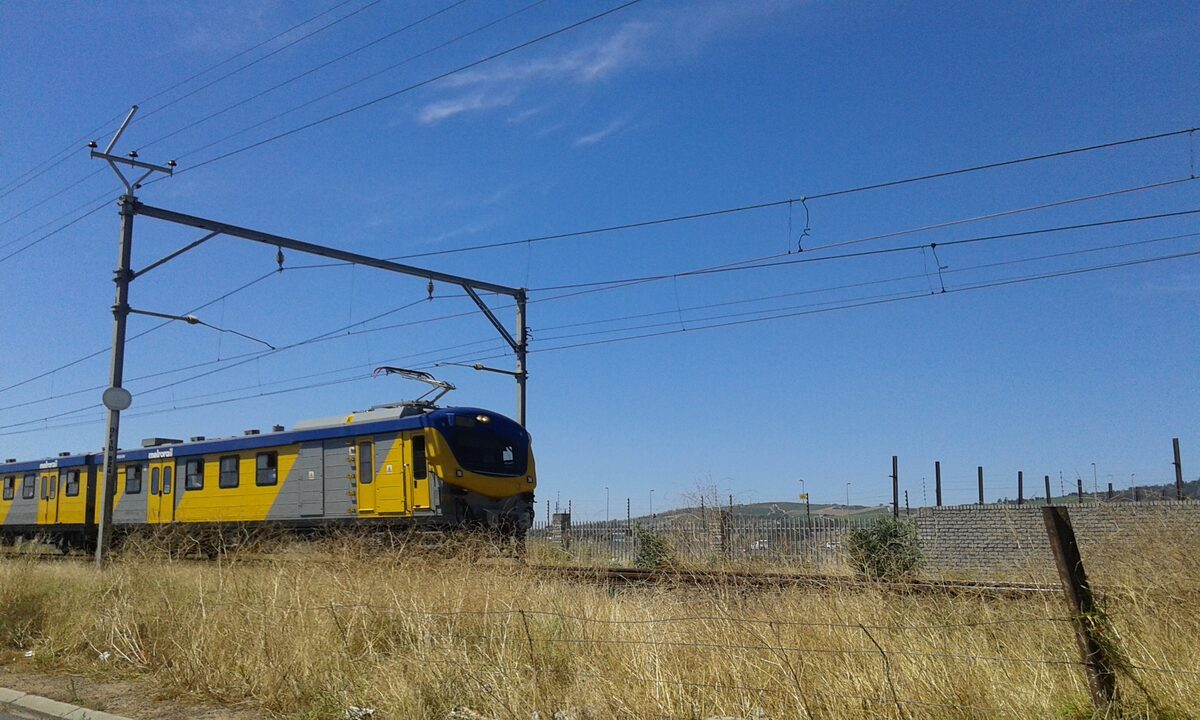
The government’s recovery plan includes commissioning PRASA’s remaining passenger corridors and modernising services. By the end of 2025, PRASA had restored 35 of its 40 passenger corridors and recorded 77 million passenger journeys – a significant recovery from the 2023 low.
PRASA plans to reintroduce several mainline passenger services in the 2026/27 financial year, including routes between Johannesburg and Durban, Johannesburg and Queenstown, East London and Johannesburg, Cape Town and Johannesburg, Johannesburg and Musina, and Cape Town and Queenstown.
The agency is also rolling out thousands of kilometres of fibre optic infrastructure through private sector partnerships to improve safety and communication across the network.
Through Operation Vulindlela, government is fast-tracking structural reforms to modernise the rail and logistics sector, including opening the network to third-party operators to improve efficiency and competition.
Mashatile said about 11 major freight companies have been enlisted to operate on various corridors, with contracts being finalised.
“I am confident that with the plans government has put in place, additional resources and private sector involvement, we will begin to correct this situation and ensure that rail infrastructure once again contributes to economic growth and job creation,” he said.
The reforms come as government attempts to rebuild confidence in a transport system that was once the backbone of South Africa’s economy but has become a symbol of infrastructure decay and state capture.




You must be logged in to post a comment.