


SYDNEY – As Australia prepares to implement the world’s first comprehensive ban on social media for children under 16, teenagers and parents across the globe are voicing sharply divided opinions on legislation that could reshape digital childhood worldwide.
The landmark law, set to take effect Wednesday, has captured international attention as governments grapple with growing concerns over social media’s impact on young people’s mental health and development. On Tuesday, Reddit became one of the latest major platforms to announce compliance with the restrictions, despite condemning them as “legally erroneous.”
Reddit’s reluctant compliance highlights the sweeping nature of Australia’s crackdown, which targets the globe’s most popular social media platforms including TikTok, Instagram, YouTube, and Reddit. Companies face hefty fines of AUD $49.5 million (R557.3 million) if they fail to take “reasonable steps” to comply.
“While we disagree about the scope, effectiveness, and privacy implications of this law, as of December 10, we’re making some changes in line with these requirements,” Reddit said in a statement.
The US-based company criticised the law’s broad reach, arguing it “undermines everyone’s right to both free expression and privacy” and questioning its application to “a pseudonymous, text-based forum overwhelmingly used by adults.”
Reddit plans to use an “age-prediction model” to identify and suspend users under 16, while rolling out enhanced safety features globally for all users under 18.
Hundreds of thousands affected
The ban is expected to impact hundreds of thousands of Australian adolescents, with Instagram alone reporting approximately 350,000 users aged 13 to 15 in the country. Some platforms like Roblox, Pinterest, and WhatsApp remain exempt, though the exemption list continues under review.
On the eve of implementation, Prime Minister Anthony Albanese made a direct appeal to teenagers in a video message, acknowledging their familiarity with “algorithms, endless feeds and the pressure that can come with that.”
“From 10 December if you’re under 16 you’re no longer allowed to have a social media account,” Albanese said, encouraging teens to “start a new sport, learn a new instrument” and “spend quality time with your friends and your family. Face to face.”
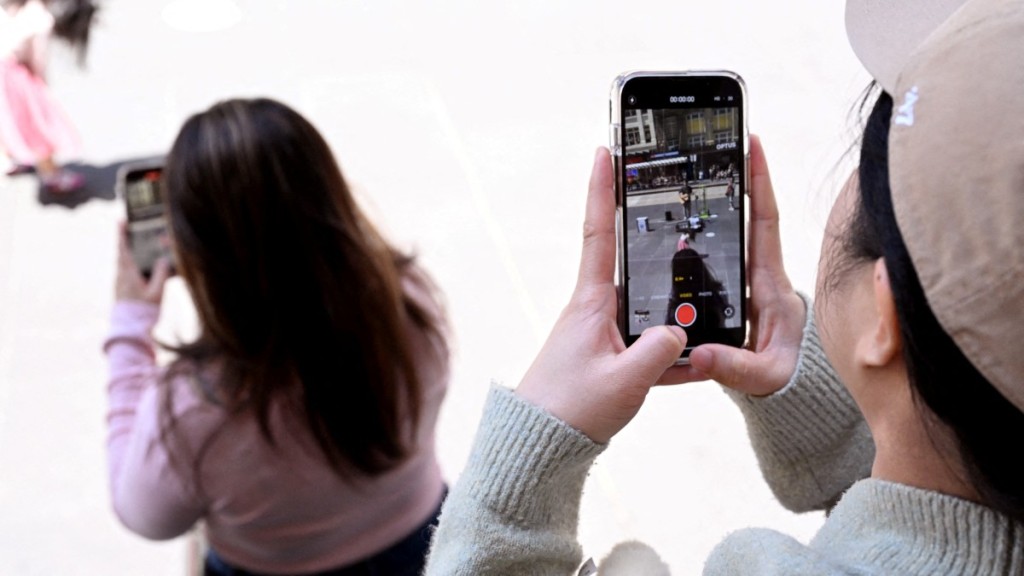
Mixed feelings from across the world
In India’s bustling financial capital, the response reflects the complexity of the issue. Pratigya Jena, 19, scrolling through Instagram videos with friends along Mumbai’s seafront, advocates for a nuanced approach.
“Social media should be partially banned because according to me nothing is either black or white,” said the student. While praising Generation Z’s entrepreneurial success on platforms, she expressed concern about children accessing inappropriate adult content.
Cricket coach Pratik Bhurke, 38, believes Australia’s approach could benefit India by encouraging outdoor activities and real-world social interaction.
In Berlin’s winter chill, 13-year-old Luna Drewes offered cautious support while watching TikTok videos. “Actually a good thing in some ways because social media often portrays a certain image of how people should look, like girls have to be thin,” she observed.
Fellow teenager Enno Caro Brandes, 15, admitted the ban would affect him directly but saw potential benefits: “I can’t really imagine giving it up completely. A ban is a bit extreme, but it could definitely help to do a detox.”
Qatari teenagers expressed skepticism about both the wisdom and effectiveness of such restrictions. Firdha Razak, 16, called the ban “really stupid, honestly,” particularly given how social media helps families stay connected across international borders.
‘We can bypass a ban’
Youssef Walid, also 16, questioned enforcement capabilities: “We can use VPN. We can easily bypass the security and easily make new accounts.”
At a Lagos high school where phones are already banned in classrooms, student Mitchelle Okinedo acknowledged the distraction issue while defending her generation’s digital nativity.
“I see where the government is coming from. Students nowadays, they are really distracted,” the 15-year-old said. “Even so, we were born with it, and I don’t think it’s something I want to stop.”
Her mother, event planner Hannah Okinedo, supports age restrictions, citing parents’ limited ability to monitor children constantly.
In Mexico City, responses highlighted social media’s role in self-expression and communication. Eleven-year-old Aranza Gomez, who has owned a smartphone for one year, said she would feel “honestly sad” without social media access.
Santiago Ramirez Rojas, 16, emphasized platforms’ importance “for expressing yourself, no matter how old you are,” while acknowledging safety concerns about online predators targeting younger children.
Australia’s own house divided
Even in Australia, families remain split on the legislation’s merit. Fifteen-year-old Layton Lewis expressed doubt about the government’s understanding and the law’s potential impact.
However, his mother Emily Lewis hopes the ban will foster “better, more authentic relationships” and encourage face-to-face social interaction reminiscent of pre-digital childhood.
Australian authorities anticipate widespread attempts to circumvent the restrictions. Government guidelines warn that rebellious teenagers might try uploading fake identification documents or using artificial intelligence to make their photos appear older.
While platforms must devise their own verification systems, Australia’s internet safety watchdog acknowledges that “no solution is likely to be 100 percent effective.”
ALSO READ: YouTube attacks Australia’s world-first social media ban for under-16s
The Australian legislation represents the most comprehensive attempt yet to regulate young people’s social media access, going beyond content restrictions to age-based platform bans. The global response suggests Australia has become a testing ground for similar measures worldwide.
Malaysia has already indicated plans to block children under 16 from signing up to social media accounts next year, while New Zealand is considering comparable restrictions. The diverse international reactions suggest that while concerns about children’s digital welfare are universal, solutions remain deeply contested across cultural, technological, and generational lines.
As the law takes effect this week, Australia faces the challenge of balancing child protection with digital rights, free expression, and practical enforcement in an era where online connectivity has become integral to modern adolescence.




You must be logged in to post a comment.