

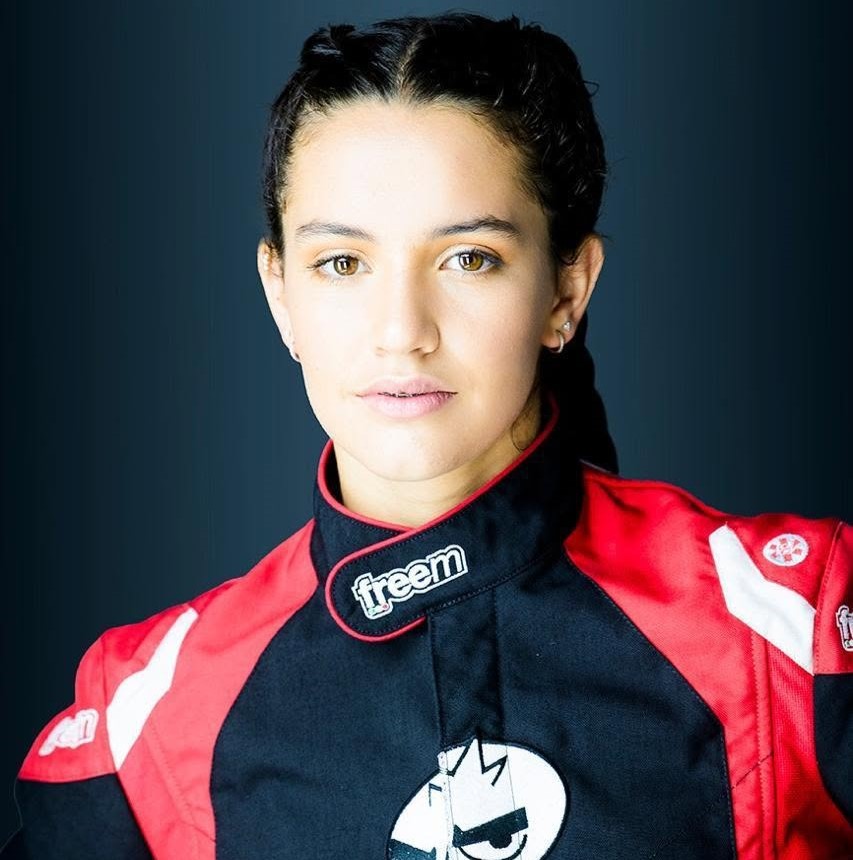
The life of a racing driver involves far more than speed, podium finishes and the cheers of spectators. Behind the helmet, athletes often face emotional pressure, disappointment and the constant challenge of remaining mentally strong in a sport where results can change in seconds.
South African karting champion and Formula 4 competitor Gianna Pascoal is speaking openly about the mental health challenges associated with competitive motorsport, particularly when a race does not go according to plan.
Gianna, who is currently competing in the Investchem MSA Formula 4 Championship and participating in the More Than Equal female development programme, says the psychological demands of racing continue long after the chequered flag falls.
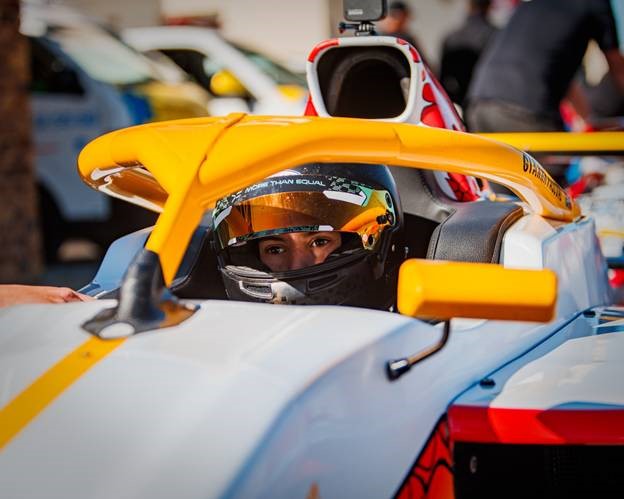
With October marking Mental Health Awareness Month, she hopes to highlight the pressures young athletes experience that often remain invisible to spectators.
“Spectators may cheer you on in a race and love seeing you on the podium, but they don’t see the mental pressure racers are under when we go home,” says Pascoal.
“Some nights you can’t stop replaying race moments in your head, while knowing you have to get up early the next morning and go straight back into preparation. That really weighs heavily on your mind, whether you’re a junior or senior karting driver, or an experienced competitor in the Formula circuit.”
When disappointment follows you off the track
For Gianna, leaving a disappointing result behind is not always easy. After months of preparation, a single race can unfold differently than expected, leaving drivers to process intense emotions and question their performance.
“When I lose, my emotions can be overwhelming. I’m sometimes so disappointed and upset that I don’t want to speak to anyone after the race. It’s not because I don’t appreciate the people supporting me, but because, in that moment, I’m trying to understand what went wrong and deal with how I’m feeling,” she says.
Racing drivers are often expected to analyse their mistakes, accept criticism and prepare for the next competition, even while still processing the previous result.
According to Pascoal, one of the most difficult lessons is learning that a single result does not define an athlete’s ability or potential.
“You work towards a race for a long time, but the result can be determined in seconds. When it doesn’t go the way you hoped, it feels like all that work has disappeared. Learning to separate one result from how you see yourself as a driver is one of the toughest parts of this sport.”
Talent does not guarantee opportunity
Beyond the pressure to perform, young racing drivers must also navigate uncertainty about their future in the sport.
Motorsport requires significant financial backing, with sponsorships, available seats and access to development opportunities often determining how far a talented driver can progress.
This means young competitors must not only perform on the track but also continually demonstrate why they deserve further investment and opportunities.
“You can have talent, work hard, and deliver strong performances, but still not know whether the next opportunity will come. You’re constantly trying to prove that you deserve to be there and that someone should continue investing in your journey,” Pascoal says.
This uncertainty can add to the pressure, particularly for young athletes trying to establish themselves in a highly competitive environment.
The lonely side of pursuing a dream
The physical demands of motorsport are considerable. Drivers must maintain control of cars travelling at speeds exceeding 200 km/h, brake heavily and endure high G-forces through corners.
These demands are compounded by gruelling training schedules, physical conditioning, early mornings, frequent travel and the challenge of balancing sport with school, family and friendships.
Pascoal says the sacrifices can sometimes lead to feelings of isolation, particularly when those closest to young athletes do not fully understand the level of commitment required.
“Not many people get the opportunity to compete at this level, which can bring its own kind of pressure and can feel isolating, particularly when some friends and family don’t fully understand the level of commitment required,” she says.
“Just because we know what it takes and are doing it willingly, it doesn’t make it any easier to know you’re missing out on other things.”
She emphasises that being grateful for an opportunity and acknowledging that certain aspects of the journey are difficult are not mutually exclusive.
“But what makes things much harder than they have to be is when we keep quiet and try to deal with all these feelings on our own. Speaking about those moments doesn’t mean you’re failing in any way or that you want the dream any less.”
Mental resilience does not mean staying silent
She believes it is important for young racing drivers and other athletes to understand that they do not have to navigate their emotional challenges alone.
Support from family, teammates, coaches and others who understand the demands of competitive sport can help athletes process disappointment and manage performance pressure more effectively.
She hopes greater openness about mental health in sport will help reduce the stigma surrounding emotional struggles.
“The truth is that the drivers who perform the best often have an incredible group of people behind them who help them handle the ups and downs,” she says.
“The helmet hides more than it should. We need to make it normal for racers and other young athletes to talk about their struggles, because nobody should feel that they have to manage everything alone.”
Her message is that mental resilience does not mean an athlete must always appear strong. It also involves learning to process disappointment, manage uncertainty and seek support when the pressure becomes difficult to carry.
For young athletes pursuing their dreams, the most important victory may sometimes happen away from the track: learning to protect their well-being while continuing to work towards their goals.
ALSO READ: Formula One engines to undergo major changes in 2027.


You must be logged in to post a comment.