Gauteng’s education system is under severe strain with overcrowding, infrastructure backlogs and weak learning outcomes threatening the quality of education for millions of learners.
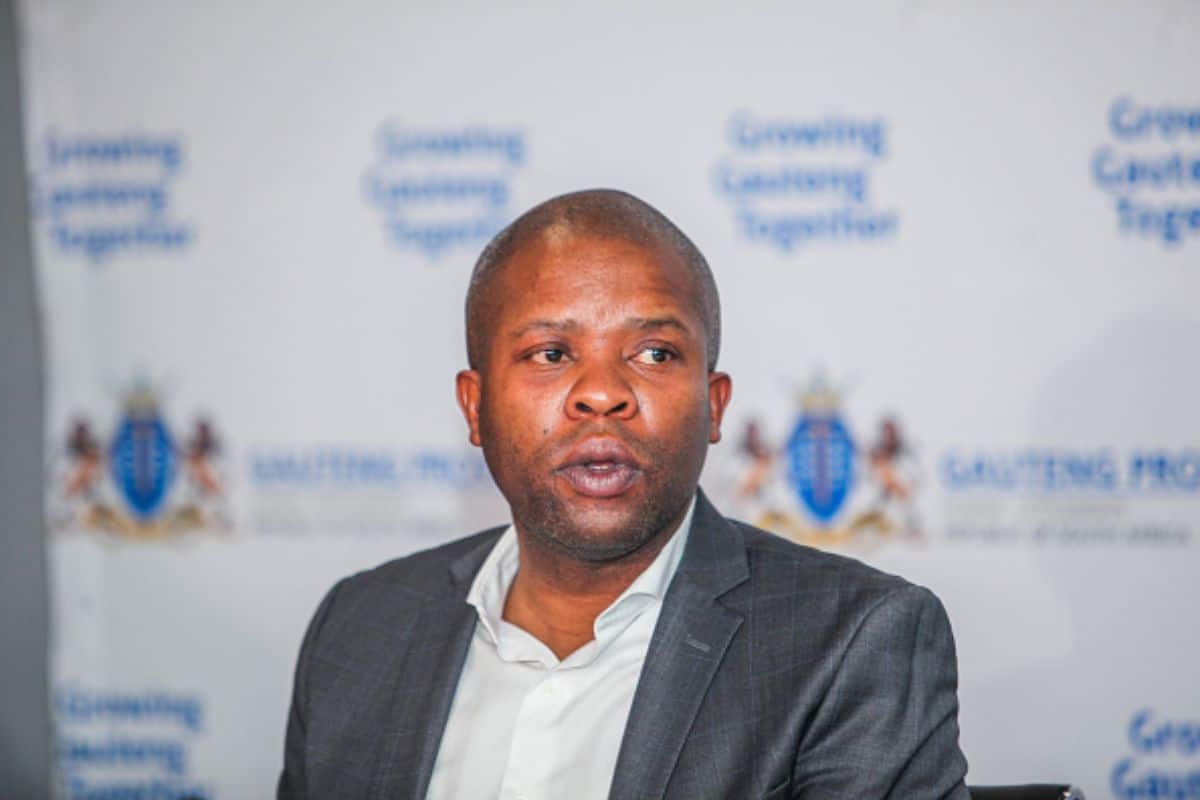
MEC for Education Lebogang Maile outlined the persistent challenges facing the province during a media briefing on Sunday, revealing that learner enrolment has more than doubled from 1 408 237 in 1995 to over 2.8 million in 2026.
The surge, driven by urbanisation and migration into the province, has pushed the system beyond capacity. An estimated 723 schools show signs of overcrowding in some grades or across entire schools, with many township and inner-city classrooms accommodating between 60 and 70 learners per teacher.
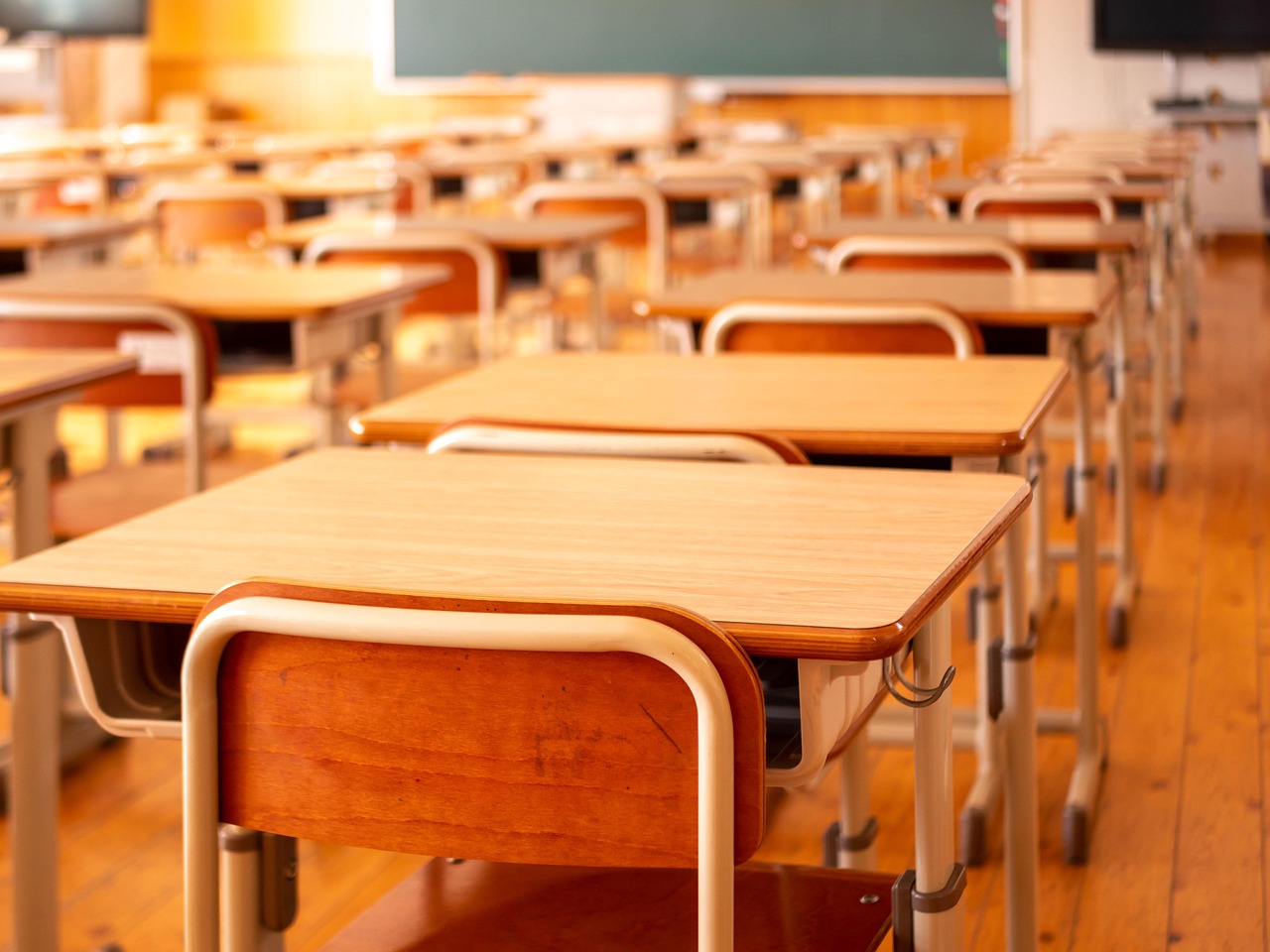
The department has documented a shortage of about 5 554 classrooms – 3 166 in primary and 2 388 in secondary schools. Gauteng faces a deficit of at least 200 new schools to stabilise the system.
“While the Gauteng Department of Education continues to deliver classrooms and new schools where needed, we have not been able to keep pace with the growth in the learner population. This is compounded by ageing infrastructure and, in some cases, inappropriate building materials or temporary prefabricated classrooms,” Maile said.
Although the province repeatedly commits to building 10 new schools per year, many projects are behind schedule, increasing reliance on temporary structures. Furniture shortages have also been identified, with tens of thousands of chairs and desks still needed across schools.
Budget pressures limit progress
Rising costs, particularly for educational materials and school nutrition, continue to erode gains made through increased budget allocations. The MEC said a rising wage bill for educators consumes a large share of the budget, leaving limited funding for learning materials, maintenance and new infrastructure.
Austerity measures have impacted key areas including scholar transport, school safety and learning and teaching support materials.
Early childhood development gaps
The department identified unequal access to early childhood development as a major concern. The sector remains privately operated in Gauteng, with many centres unregistered and unable to access government subsidies.
“The key challenges with ECD centres in Gauteng is that a large number remain unregistered, often operating from informal structures that do not meet municipal health and safety requirements,” Maile said.
Registration processes remain slow, while subsidy funding is insufficient to meet growing demand, particularly in low-income communities.
Literacy crisis deepens
Learning outcomes, particularly in literacy and numeracy, remain a critical concern. According to international assessments, about 81% of Grade 4 learners in South Africa cannot read for meaning, with similar challenges reflected in Gauteng schools.
“In Gauteng, weak early-grade reading, comprehension and numeracy create a silent crisis where learners progress without mastering basics,” Maile said.
The department said this contributes to poor performance in subjects such as mathematics and physical sciences, particularly in overcrowded schools. Textbook shortages persist, with 871 public schools reporting gaps in learning materials.
Teacher shortages in key subjects
Teacher quality and availability remain uneven across the province. Gauteng faces a shortage of qualified educators in mathematics, science and technology, with an estimated shortfall of 370 teachers in key technical subjects.
Large classes, often comprising more than 50 learners, contribute to burnout and limit individual attention. The department also highlighted the need for more foundation phase teachers, particularly those proficient in African languages.
ALSO READ: Toilet crisis halts learning for 1 000 pupils at Johannesburg school
Safety concerns escalate
School safety continues to be a major concern, with incidents of violence, bullying, substance abuse and mental health challenges affecting learners.
ALSO READ: Former Gauteng education officials sentenced for R3 million ghost employee fraud
While partnerships with the South African Police Service and other stakeholders are in place, community crime and gang activity continue to impact schools.
Strategic plan targets reform
The department has adopted its 2025-2030 Strategic Plan aimed at improving education outcomes and modernising the system. The plan focuses on integrating technology into the curriculum, strengthening maths and science education, expanding technical schools and improving overall learner performance.
“We are committed to improving the quality of teaching and learning in Gauteng, but we recognise that as the provincial government, we cannot achieve this on our own,” Maile said.
The department said it will engage stakeholders, including schools, parents and the private sector, to support the implementation of the plan. Public-private partnerships and collaboration with civil society are expected to play a key role in addressing the province’s education challenges.
ALSO READ: Gauteng schools face power cuts over unpaid municipal bills despite receiving funds