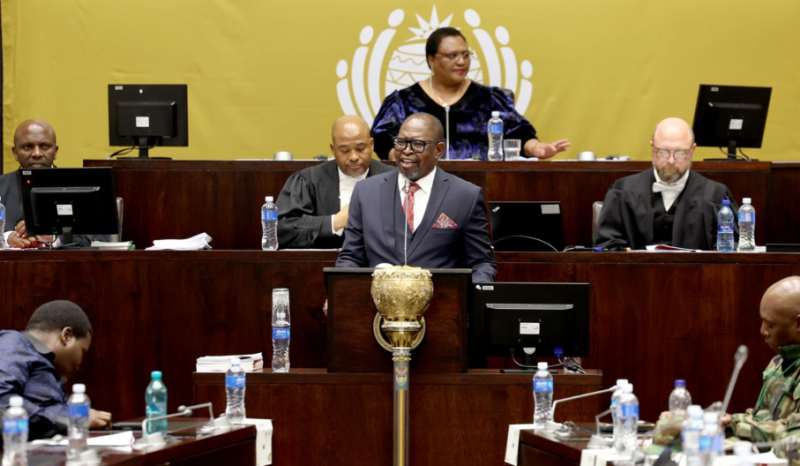
Finance minister Enoch Godongwana tabled the 2026 Medium-Term Budget Policy Statement in parliament today, offering immediate relief to motorists through temporary fuel levy cuts but drawing mixed reactions from opposition parties concerned about weak economic growth and the rising cost of living.
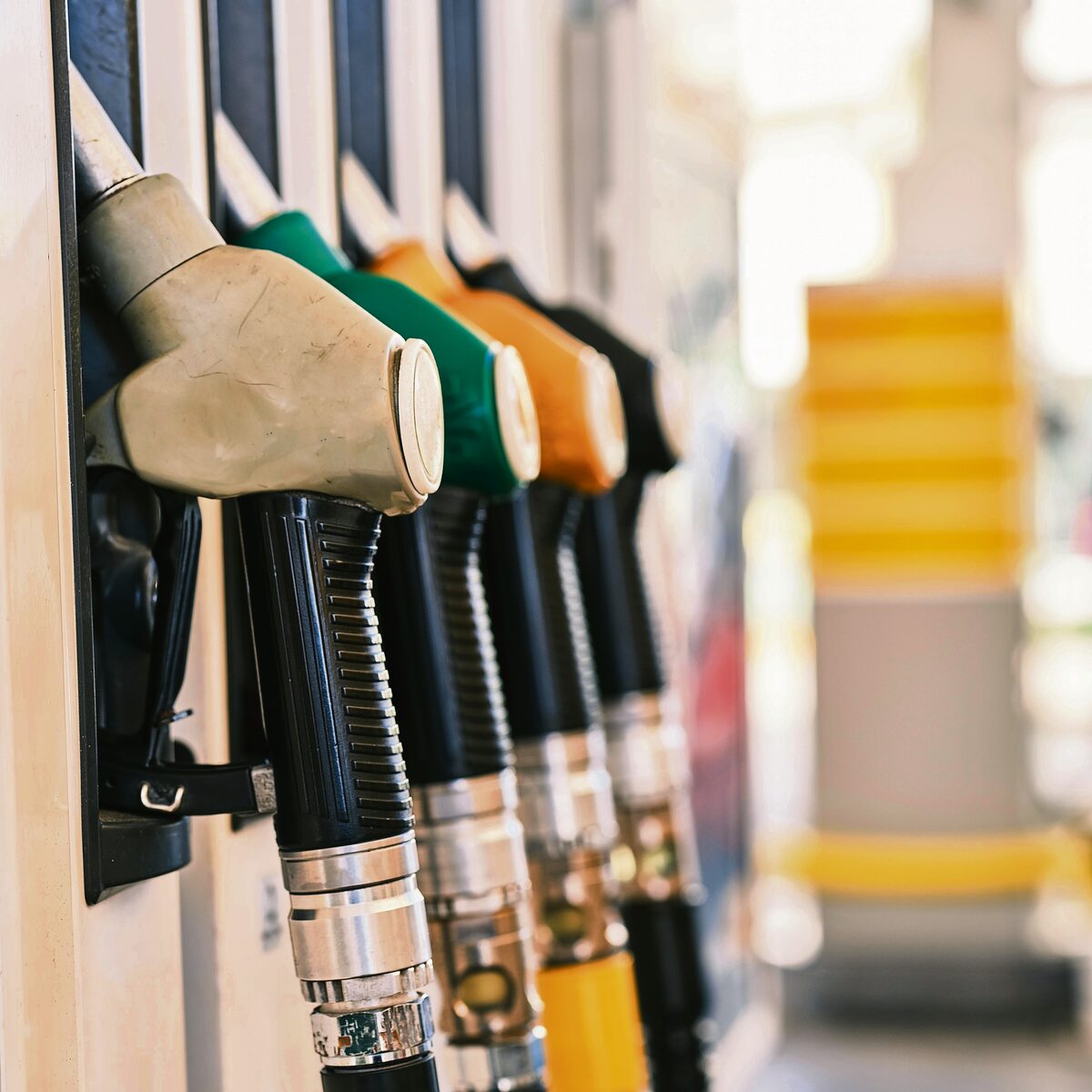
The minister announced that the fuel levy will be cut by R3/litre for diesel and R1,50/litre for petrol from 4 November to 1 December 2026. A smaller reduction of R1,50/litre for diesel and R1/litre for petrol will continue until 5 January 2027. The R10 billion package will be funded by returning money previously transferred to the Central Energy Fund to the National Revenue Fund.
For the average household, this means lower costs at the pump during the festive season, though the relief is temporary. However, the government lowered its economic growth forecast for 2026 to just 1,2%, down from the 1,6% predicted in February’s budget.
The treasury announced that South Africa’s debt has stabilised at 78,4% of gross domestic product in 2025/26, marking the first stabilisation in nearly two decades. The deficit is projected to narrow from 3,9% of GDP in 2026/27 to 2,5% by 2030.
Tax revenue for 2026/27 came in R17,1 billion above February estimates, mainly due to stronger corporate tax collections linked to high commodity prices. The government also identified R38,1 billion in savings over three years, with around R6 billion linked to stopping grant-payment fraud.
An additional R10 billion in tax revenue has been set aside to respond to the threat of El Niño, while the adjustments process includes R6,2 billion for disaster relief and rehabilitation.
The government confirmed it had identified more than 4 300 high-risk or suspected ghost workers on the public-sector payroll, with further action to be outlined in the 2027 main budget.
Political parties divided
The Democratic Alliance acknowledged improvements such as credit rating upgrades and reduced inflation but cautioned that South Africa’s economic growth rate of 1,6% is being significantly outpaced by other sub-Saharan African nations. DA MP Wendy Alexander raised concerns about the country’s competitiveness in the region.
Ahead of the speech, DA spokesperson on finance Kingsley Wakelin had outlined five priorities: stabilising debt, establishing a statutory fiscal rule, prioritising infrastructure investment over consumption, accelerating structural reforms, and addressing municipal debt.
ActionSA expressed disappointment, with MP Alan Beesley characterising the R10 billion fuel relief as insufficient to address what he called a devastating cost-of-living crisis. While the party welcomed the R4,4 billion allocation to the South African Revenue Service, Beesley criticised the government for failing to provide a credible plan to address low economic growth, rising unemployment, and energy insecurity.
The Freedom Front Plus welcomed the introduction of a statutory fiscal anchor as a positive step for economic discipline. However, MP Wouter Wessels expressed concern that the budget leaned too heavily on expenditure restraint without sufficient interventions to stimulate economic activity. The party remained sceptical about whether increased allocations, such as those for the defence force, would translate into improved service delivery and reduced corruption.
The Patriotic Alliance offered support for the fiscal framework, with MP Ashley Sauls describing it as a blueprint of a nation that chose stability over chaos. The party highlighted the sovereign credit rating upgrade as a clear sign that international confidence in South Africa is returning.
The MK Party rejected the 2026 fiscal framework and revenue proposals, arguing they failed to meet the country’s development targets. MP David van Rooyen criticised the framework for failing to address the ballooning national debt, projected to reach R12 trillion, or the impact of corruption on the economic outlook. MK Party MP Sanele Mwali voiced scepticism, saying the minister’s address was insufficient to address the immediate hardships faced by citizens.
Main risks ahead
The treasury identified several key risks to the fiscal outlook: weak economic growth, the temporary nature of commodity-driven revenue gains, high debt-service costs, weak municipal financial management, and continued exposure to state-owned entities.
The statement includes guarantees of R660 million and US$14 million for Denel, as well as a R1 billion guarantee issued to South African Airways in August 2026 for working capital requirements.
Treasury also released a fiscal-anchor bill for public comment and published proposed amendments to the Municipal Finance Management Act to address weak municipal financial management and strengthen treasury oversight.
Consolidated government expenditure is expected to rise from R2,7 trillion in 2026/27 to about R3,0 trillion in 2029/30, an average annual increase of 3,6%. Capital-asset payments are the fastest-growing spending category at roughly 5,3% annually, reflecting the government’s emphasis on infrastructure investment.
ALSO READ: Five key issues finance minister must address in medium-term budget speech