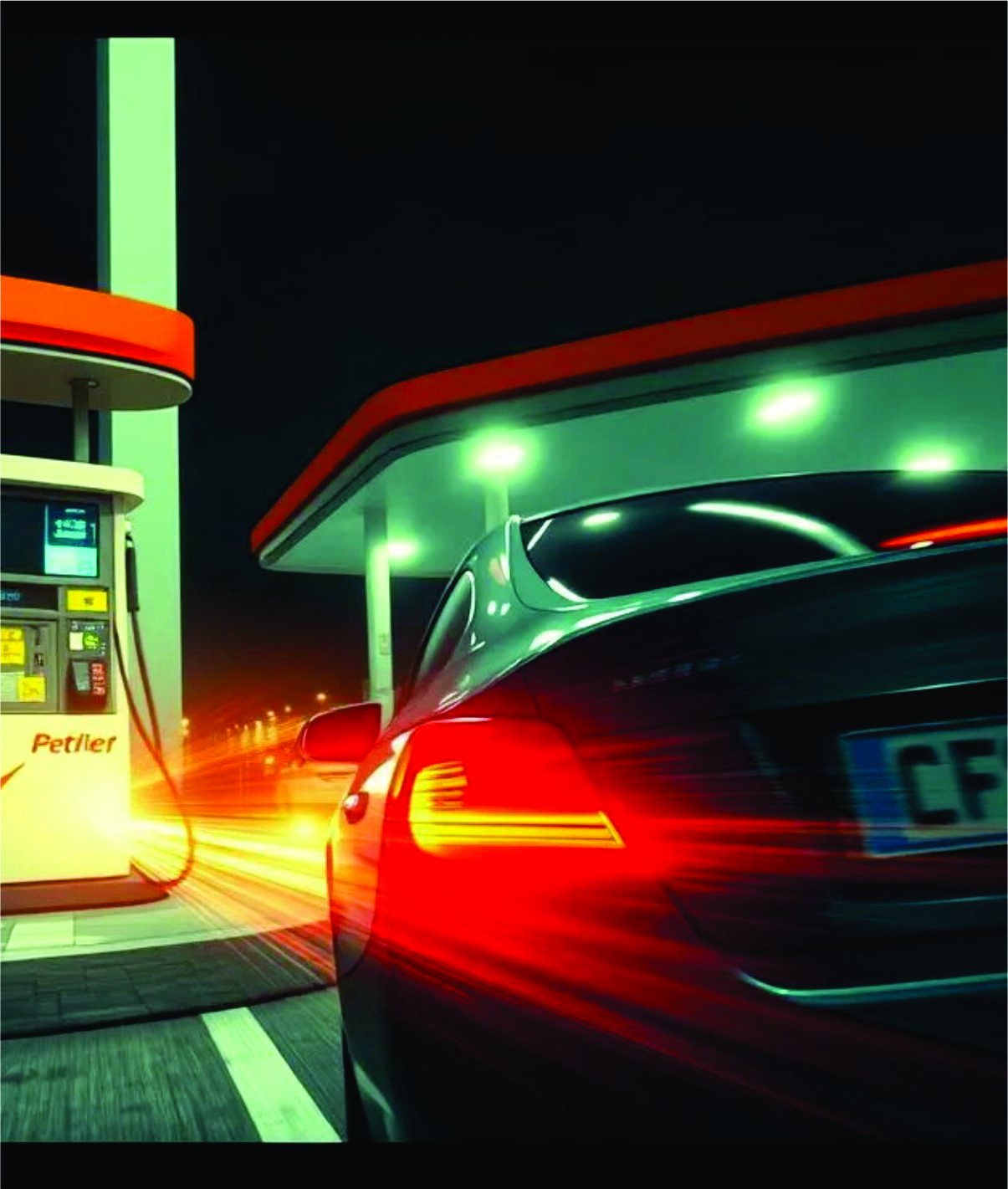
As fuel prices continue to bite, the Automobile Association (AA) is urging motorists to adopt simple driving habits that could help reduce fuel consumption and ease the strain on household budgets.
The rising cost of fuel means that even small changes in the manner in which motorists drive and maintain their vehicles could make a difference to their monthly expenses.
Switch off, do not idle
According to the AA, motorists should avoid leaving their vehicles idling for extended periods, particularly when the vehicle is stationary for reasons other than traffic.
If a motorist expects to be stopped for about 30 seconds or longer, switching off the engine can help prevent unnecessary fuel consumption. Although the amount of fuel saved during a single stop may seem small, these savings can add up over time.
Lighten the load
Motorists should also be mindful of how much weight they carry in their vehicles. An overloaded vehicle requires more energy from the engine to move, which can increase fuel consumption.
Removing unnecessary items from the boot and passenger compartment can therefore help reduce the vehicle’s load. Motorists who regularly travel with heavy equipment or other items that are not needed for their journey should consider leaving them at home.
Use air conditioning wisely
The excessive use of air conditioning can also contribute to higher fuel consumption. While air conditioning is useful, particularly during hot weather, motorists are encouraged to use it responsibly and avoid running it unnecessarily when it is not needed.
Mind your driving habits
Driving habits are another important factor when it comes to saving fuel.
Speeding can increase fuel consumption, particularly when motorists accelerate aggressively or maintain high speeds unnecessarily. In residential areas, motorists should observe the applicable speed limit and avoid speeding when there is no need to do so.
Driving at a steady and moderate speed can help improve fuel efficiency. For example, where the applicable speed limit is 60km/h in a residential area, motorists should maintain that speed rather than accelerating beyond it unnecessarily.
Smooth acceleration and braking can also help reduce fuel consumption. Instead of repeatedly accelerating and braking sharply, motorists can look ahead and adjust their speed gradually where road conditions allow.
Every litre counts
With fuel costs affecting motorists across South Africa, adopting these habits could provide motorists with a practical way of reducing some of the costs associated with driving.
While these measures will not prevent fuel price increases, motorists can have greater control over how efficiently they use the fuel they purchase.
The AA’s advice highlights that fuel-saving does not necessarily require major changes or expensive modifications to a vehicle. Simple habits such as switching off an idling engine, reducing unnecessary weight, using air conditioning responsibly and avoiding unnecessary speeding can contribute to better fuel efficiency.
As motorists continue to face higher fuel costs, making every litre count could help ease some of the pressure on household budgets.
ALSO READ: Rising diesel costs force freight companies to rethink operations