


Online romance scams, it seems, are not only trending during events such as Valentine’s Day, but all year round. It is a rapidly growing, high-stakes fraud in South Africa, often involving sophisticated criminals posing as romantic partners to extort money, with reported losses exceeding millions of rands in single cases.
South Africans are once again cautioned to beware of online romance scams, according to a post on Sunday on the Facebook page South AfricanGovernment.
“Always approach new online connections with caution. Criminals use fake profiles to build emotional connections and exploit trust,” the post warns.
Victims are manipulated emotionally via dating apps and social media, with fraudsters frequently using artificial intelligence (AI) to enhance fake identities and create false, long-term relationships before demanding funds.
What is the modus operandi of online romance fraudsters?
The approach: A charming stranger, soldier, or even celebrity reaches out to you online. They have a polished profile and convincing background. They portray themselves, among others, as wealthy businesspeople, working or visiting abroad, or deployed in the military or other security services.
The hook: They build a relationship with you over time – even months – gaining your trust. Fraudsters target vulnerable individuals, including those mourning or seeking companionship.
The sting: This is where they ask you for help. They urgently need money to cover the cost of some kind of emergency. A medical bill, travel cost, or possibly business trouble. They ask you to transfer the money via bank transfer, gift cards, or cryptocurrency, promising to repay you. But once you pay, they vanish, or in some cases, ask for more. Losses are often substantial, with victims losing life savings or facing blackmail (sextortion).
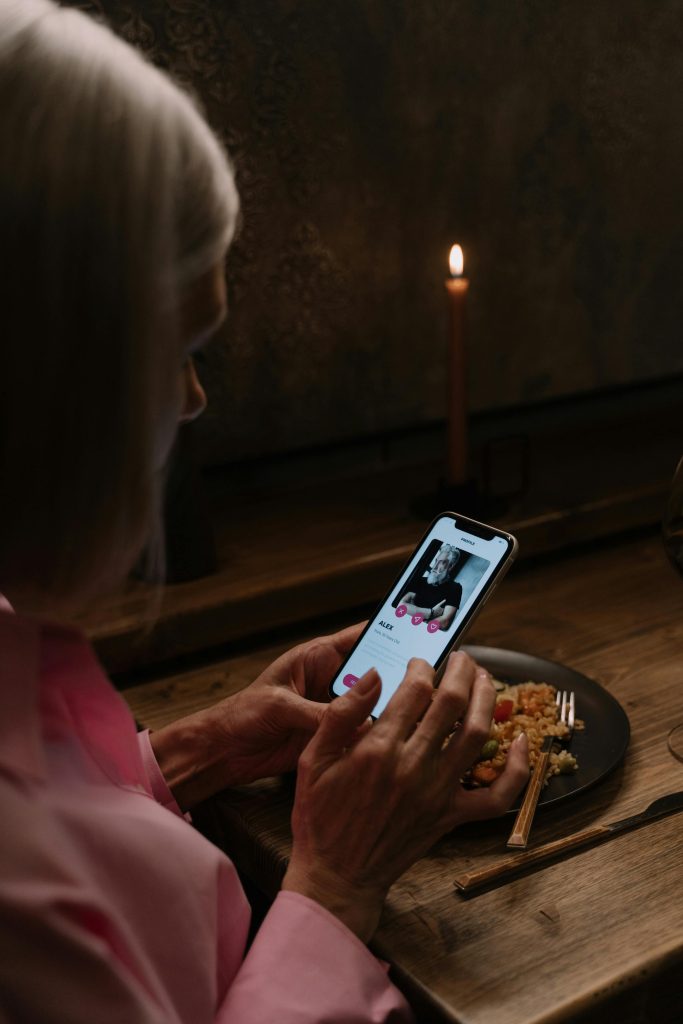
What are the red flags?
- If someone you have never met in person declares love or states they have strong feelings for you.
- You are “love-bombed” by messages, and you feel special.
- Refusal to video chat – there always seems to be some reason they cannot meet in person or video chat. Often they say they are overseas, somewhere remote or their technology is not working. However, fraudsters are now even using AI for realistic video chats, and even voice cloning.
- Request for sensitive personal information – which they will later use to blackmail you.
- They want you to only trust them and keep your relationship a secret. They may try to cut you off from family and friends.
- You may also be advised to invest your money, often in cryptocurrency, with the fraudster offering to assist. Or the person offers to show you how to make “easy money” online.
- Sudden “emergencies” where the fraudster will ask you for money. These emergencies vary – from death and funerals, to being stuck in a place due to transport cancellations, or having to pay the “last instalment” before they can resettle.
- You may also be asked to set up accounts or transfer money that he or she gives to you. Never agree to this – you might become involved in a crime called money laundering.

What are typical “emergencies” they might use?
- “I’m stranded abroad and urgently need help to get home.”
- “I’m facing a medical emergency and can’t afford treatment.”
- “I’ve discovered a unique investment opportunity, and you’d be the perfect partner to share it with.”
- “I work overseas or on an oil rig and I haven’t got access to banking facilities. I need help for travel or a short-term loan.”
- “I sent you a gift, but it’s stuck in customs.”
What you should do, and not do
Do not send money: Never transfer money, purchase gift cards, or provide bank details to someone you have not met in person, no matter how long you have been in contact.
Verify profiles if the person provides a photo: Perform a reverse image search on their profile pictures to see if they are stolen. Photos on a fake profile may look too professional, or are blurry and unclear. The social media account has not been active very long, with very little personal information, and few comments, likes or shares from other people.
Ask questions: If their story feels inconsistent or too good to be true, ask direct questions and look for signs of anger or deflection.
Stay sceptical: Be wary of new online connections who quickly move conversations to private, encrypted apps.
Never send nudes or sexually intimate photos or videos. Fraudsters can use them to threaten and blackmail you.
Do not keep an online relationship secret. Tell people you trust about it. It can be easier for someone else to spot things that don’t seem right.
Think carefully about sharing information about your hobbies, job or family online. Fraudsters can use this to hurt you, or steal your identity.
What to do if scammed
- Stop all communication immediately.
- Report the profile to the dating site/platform.
- Report the scam to the South African Police Service (SAPS).
- Contact your bank immediately if you have shared financial details or transferred funds.
Sources: scamwatch.gov.au / nedbankprivatewealth.com
ALSO READ: Don’t fall for fake traffic fines: Aarto warns of email and SMS scams



You must be logged in to post a comment.