
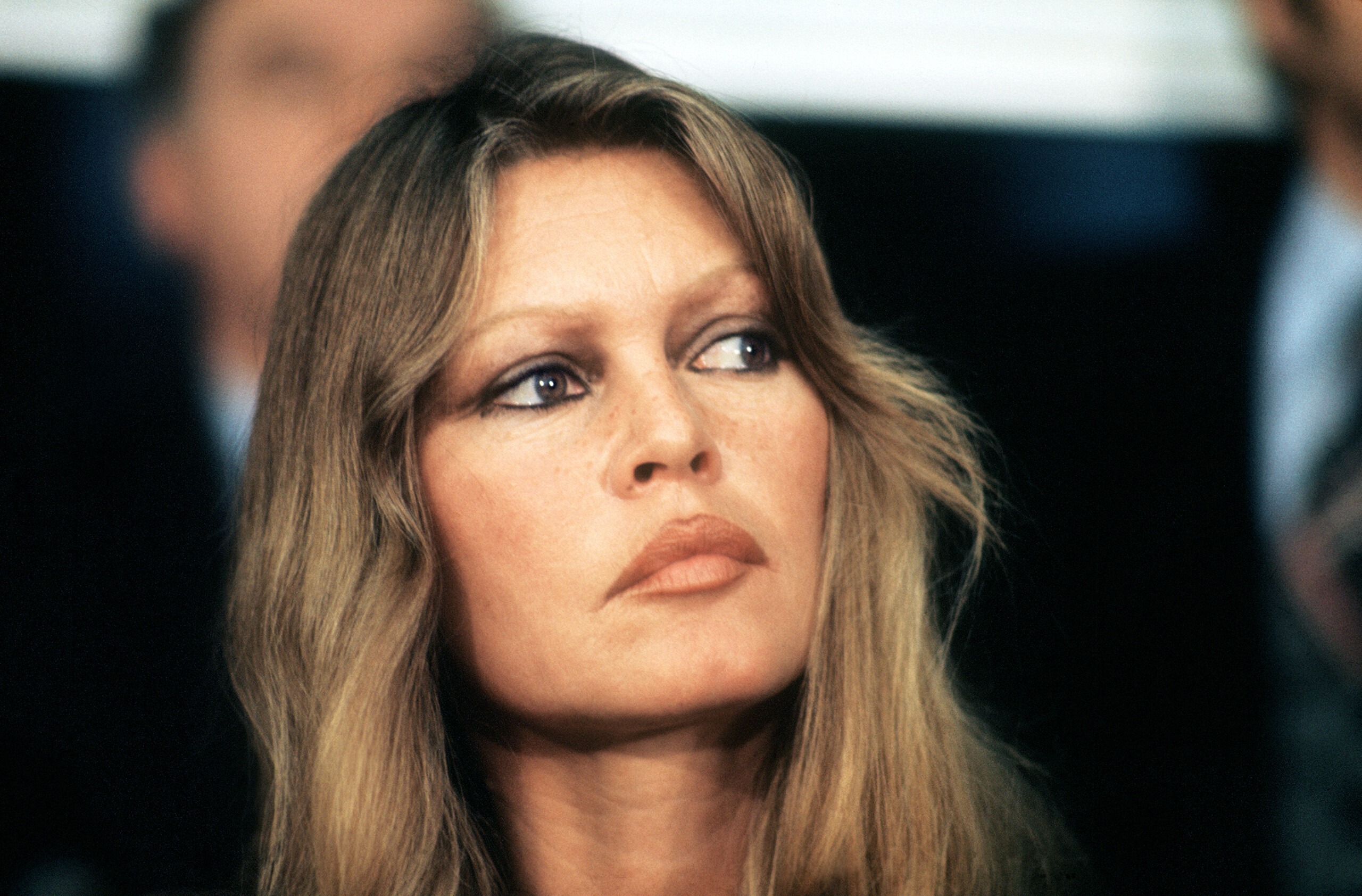
PARIS, France – French film sensation Brigitte Bardot, a symbol of sexual liberation in the 1950s and 1960s who reinvented herself as an animal rights defender and embraced far-right views, died on Sunday aged 91, her foundation said.
She passed away in her Saint-Tropez home, La Madrague, on the French Riviera.
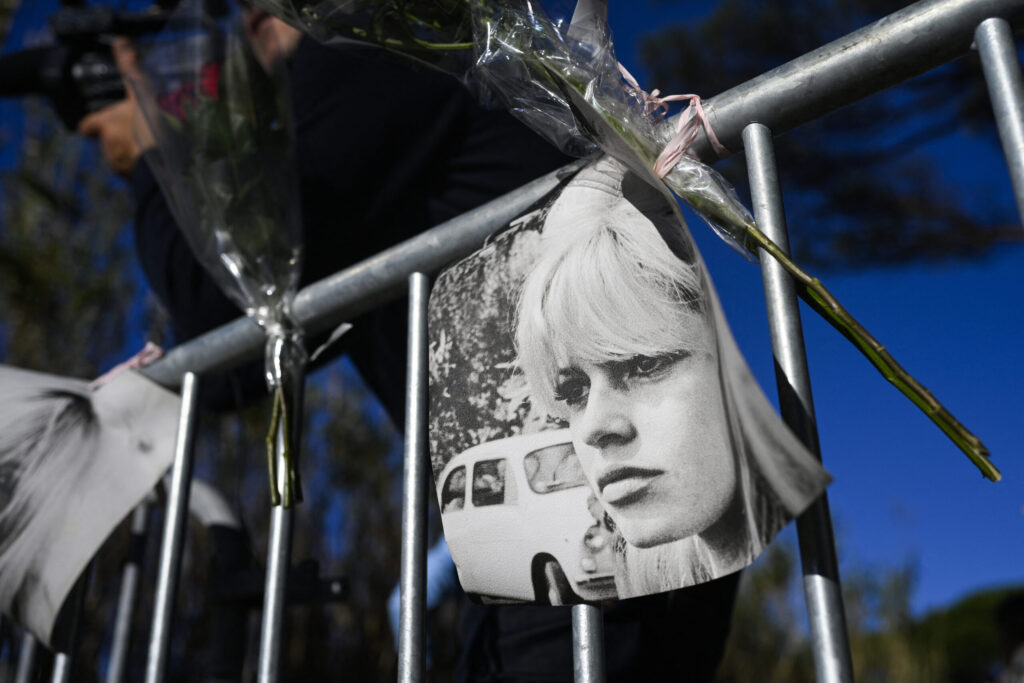
“The Brigitte Bardot Foundation announces with immense sadness the death of its founder and president, Madame Brigitte Bardot, a world-renowned actor and singer, who chose to abandon her prestigious career to dedicate her life and energy to animal welfare and her foundation,” it said in a statement sent to AFP.
In an era when celebrities cling to the spotlight well past their prime, Bardot’s decision to abandon stardom at its peak remains one of cinema’s most compelling mysteries. Bardot, the sultry French actress who once set screens ablaze and hearts racing across the globe, made a choice in 1973 that left Hollywood stunned: she simply walked away.
“I was sick of being beautiful every day,” she would later explain, summarising in one sentence what countless stars struggle with for decades.
The making of a legend
Born into a well-to-do Parisian Catholic family on 28 September 1934, Bardot seemed destined for conventionality. Instead, she became anything but. Known worldwide simply as “BB,” her rise to international stardom was meteoric and, by her own admission, entirely built on her physical appeal.
The moment that changed everything came in 1956 with “And God Created Woman,” directed by her then-husband Roger Vadim. At just 22, Bardot’s explosive mambo dance sequence — performed in a flowing skirt slit daringly to the waist — didn’t just make her famous; it redefined sensuality on screen.
“The unattainable fantasy of all married men,” Vadim had predicted she would become. He wasn’t wrong.
More than just a pretty face
While critics often dismissed her filmography as lightweight entertainment, Bardot’s collaboration with legendary director Jean-Luc Godard in 1963’s “Contempt” proved there was substance beneath the surface. Playing a frustrated wife opposite Michel Piccoli, she delivered what many consider her finest performance.
The film’s famous bedroom scene, where Godard subversively played with audience expectations about seeing Bardot’s body, became a masterclass in both cinema and commentary on the male gaze that had defined her career.
“Queen Bardot stands there where morality ends,” wrote acclaimed author Marguerite Duras in 1958, while philosopher Simone de Beauvoir noted, “She does as she pleases, and that is what is disturbing.”
The price of beauty
But the pedestal upon which the world placed her became a prison. On her 26th birthday in 1960, the pressure proved too much — Bardot attempted suicide. The incident served as a wake-up call about the dark side of her seemingly glamorous existence.
Thirteen years later, just shy of her 40th birthday, she made the decision that would define the rest of her life: complete retirement from acting.
“I knew my career was based entirely on my physique,” she reflected in 1978, “so I decided to leave cinema just as I have always left men: first.”
Finding her true calling
What happened next surprised everyone, including perhaps Bardot herself. Retreating to the French Riviera town of Saint-Tropez, she discovered a passion that would consume the next five decades of her life: animal rights activism.
The transformation wasn’t gradual — it was a complete metamorphosis. A life-changing trip to Canada in the 1980s, where she witnessed the annual seal cub culls, became her personal road to Damascus moment.
“I will never forget these pictures, the screams of pain, they still torture me but they have given me the strength to sacrifice my whole life to defend the animal’s one,” she wrote to conservation group WWF in 2011.
In 1986, she formalized her commitment by establishing the Brigitte Bardot Foundation, dedicating herself to protecting everything from baby seals to elephants, campaigning against ritual animal sacrifice and fighting to close horse abattoirs.
Controversy never far away
Yet Bardot’s later years have been marked by controversy as much as conservation. Her political views shifted dramatically rightward, leading to five convictions for inciting racial hatred through inflammatory comments about Muslims, immigrants, and LGBTQ+ individuals.
In her 2003 book “A Cry in the Silence,” she warned against what she termed the “Islamisation of France,” describing it as a “subterranean, dangerous, and uncontrolled infiltration.”
Her support for far-right leader Marine Le Pen in both the 2012 and 2017 presidential elections culminated in her calling Le Pen the “Joan of Arc of the 21st century” — a statement that crystallized her complete transformation from liberal icon to conservative firebrand.
Swimming against the #MeToo tide
True to form, when the #MeToo movement swept through Hollywood following the Harvey Weinstein revelations, Bardot once again found herself on the controversial side of public opinion.
In a 2018 interview with Paris Match, she dismissed many of the actresses coming forward: “The vast majority are being hypocritical and ridiculous. Lots of actresses try to play the tease with producers to get a role. And then, so we will talk about them, they say they were harassed.”
Her comments sparked outrage, but also revealed a woman who, after experiencing decades of objectification herself, had developed a complex relationship with the very issues the movement sought to address.
A life lived on her own terms
Today, at 91, Brigitte Bardot remains as uncompromising as ever. Having rejected plastic surgery and the fashion world’s attempts to lure her back, she continues her animal rights work from her Saint-Tropez sanctuary.
Her story reads like a modern fable — one about the price of beauty, the courage to walk away from success, and the power of reinvention. Whether you agree with her later political positions or not, there’s no denying that Brigitte Bardot lived life entirely on her own terms.
In an age of carefully curated social media personas and calculated career moves, perhaps there’s something refreshingly honest about a woman who simply said “enough” and meant it.
What aspects of Bardot’s story do you find most compelling? Share your thoughts in the comments below.


You must be logged in to post a comment.