For the first time in 47 years, a Grand Slam tournament will crown its champion without a single former major winner standing in the semi-finals and French Open fans are witnessing the most extraordinary changing of the guard in nearly half a century.
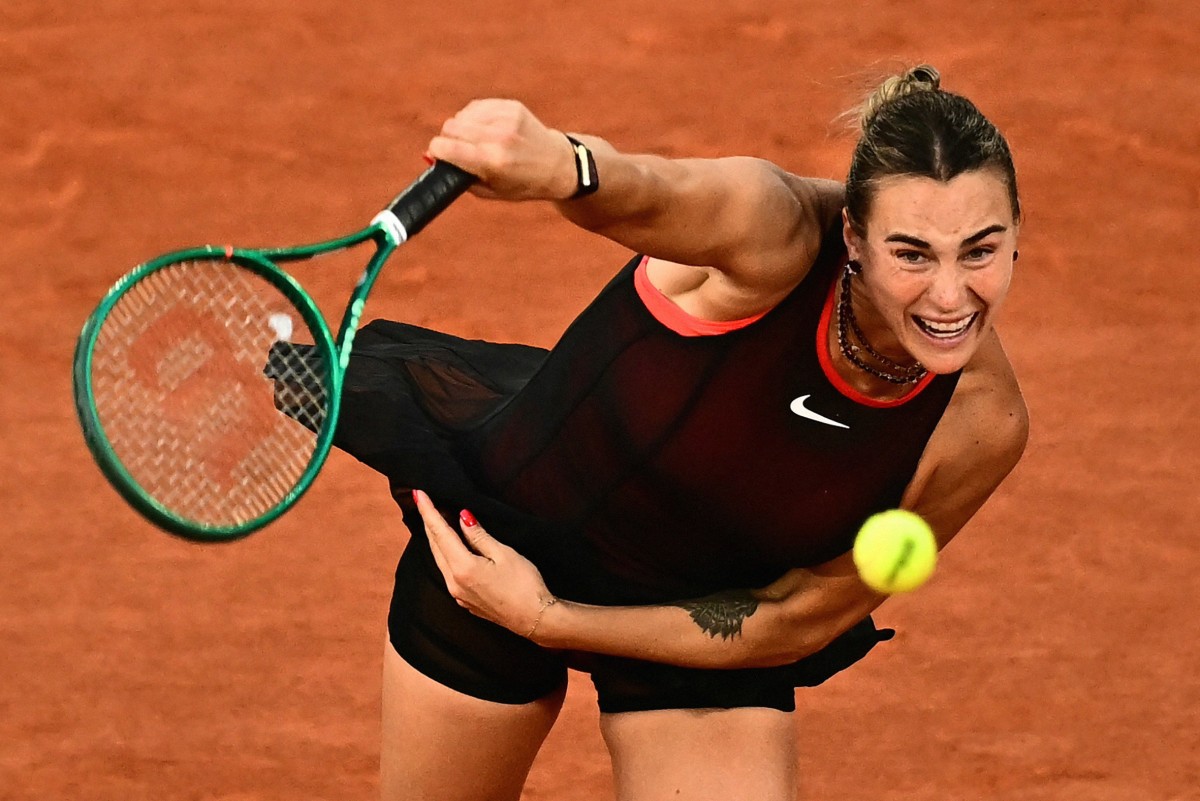
The hallowed red clay of Roland Garros has delivered seismic shocks before, but nothing quite compares to the carnage that unfolded on Wednesday as Aryna Sabalenka’s spectacular capitulation to Diana Shnaider confirmed what statisticians had already been whispering: this tournament has gone completely off-script.
Also read: Sinner crashes out after dramatic Roland Garros meltdown
Not since the 1977 Australian Open has a Grand Slam reached the final four without a previous major champion in the mix. That’s a drought spanning 188 consecutive majors, obliterated in one fell swoop as the sport’s established order crumbled beneath the weight of hungry, fearless challengers.
Sabalenka’s meltdown on Chatrier
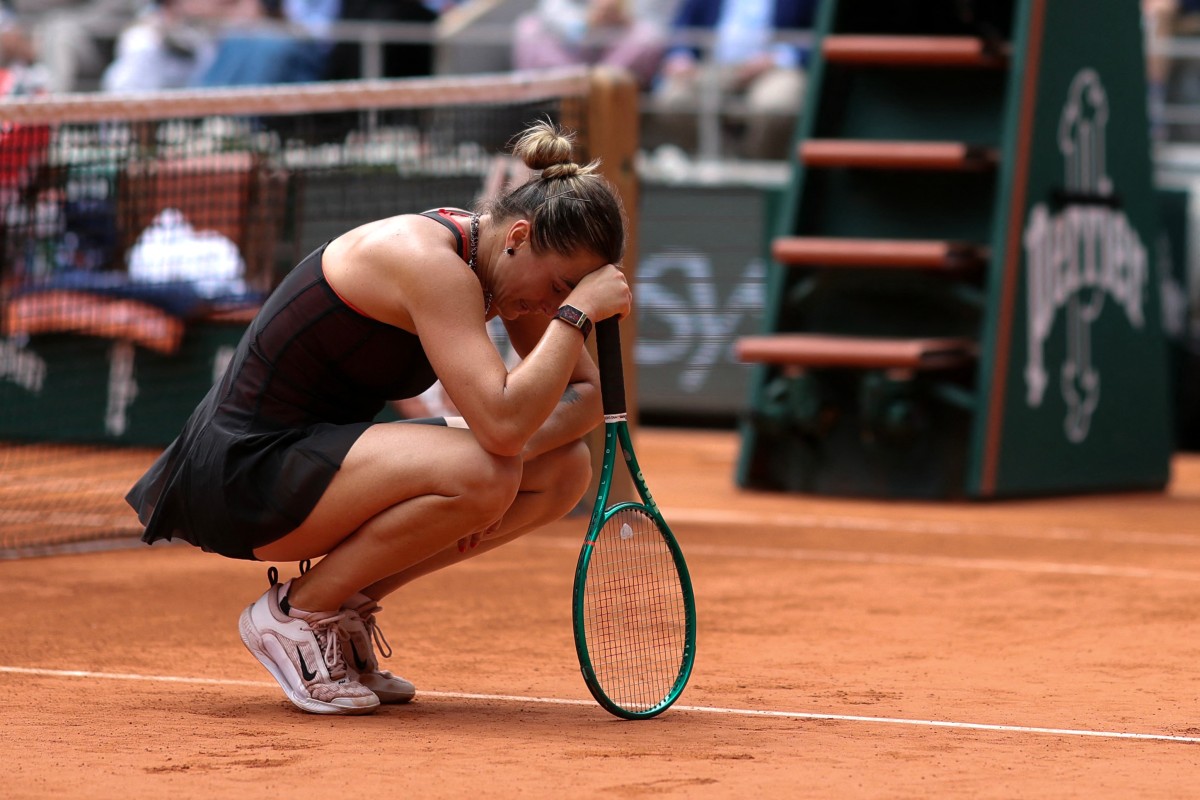
The world number one’s golden opportunity to claim a maiden French Open crown evaporated in the most harrowing fashion imaginable on Court Philippe Chatrier, as the four-time major winner surrendered a set and a double break lead to implode 3-6, 7-5, 6-0 against 25th seed Shnaider.
“I screw up, and then she stepped in and she played great,” Sabalenka admitted in her brutally honest post-match assessment. “I feel like mentally I couldn’t really recover after the second set. I don’t know when was the last time that happened to me that I lost 10 games in a row. I guess mentally I got into very deep, deep, dark hole over there, and I just couldn’t get back mentally on track.”
The collapse mirrored last year’s final heartbreak when Coco Gauff battled back to deny Sabalenka in three sets, but this quarter-final capitulation will sting even deeper. With principal challengers Gauff, Iga Swiatek and world number two Elena Rybakina already dispatched in earlier rounds, Sabalenka had entered the last eight as the overwhelming favourite to lift the Coupe Suzanne Lenglen.
Instead, she becomes the final piece of a champion exodus that has left Roland Garros without a safety net.
“I don’t like easy wins, you know,” Sabalenka quipped tongue-in-cheek. “I guess for me it’s about suffer, overcome, and get it done.”
Shnaider seizes historic opportunity
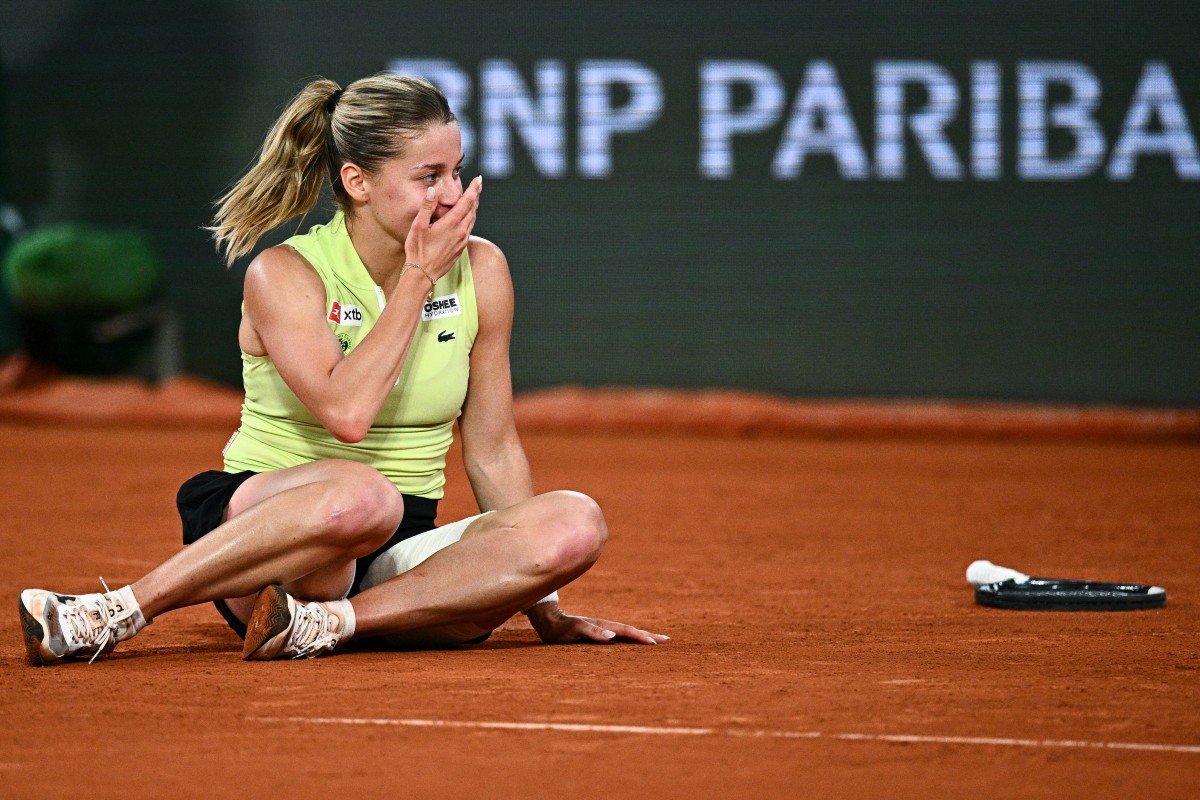
For 22-year-old Shnaider, whose best previous Grand Slam showing was a fourth-round run at the 2024 US Open, the triumph represents a career-defining breakthrough. She now finds herself the unlikely favourite to reach Sunday’s final, where she’ll face Polish qualifier Maja Chwalinska after the semi-final.
“It’s gonna be a big switch for me for tomorrow’s match,” Shnaider acknowledged. “I’m happy for her. Yeah, I’m expecting a huge fight tomorrow. I feel like both of us is gonna be leaving it all out tomorrow with a huge opportunity in front of us.”
That opportunity? Becoming Roland Garros champion without having claimed a single Grand Slam title beforehand, a feat that seemed virtually impossible just a fortnight ago.
Qualifier Chwalinska defies all logic
If Shnaider’s ascent seems improbable, spare a thought for the bewilderment coursing through Chwalinska’s mind. The world number 114 continued her stunning French Open odyssey by becoming just the second women’s qualifier to reach the semi-finals at Roland Garros in the professional era, downing Russian 22nd seed Anna Kalinskaya 7-6 (7/3), 6-3.
“I honestly don’t know what’s going on. I know I repeat myself but every single match here is kind of crazy for me so I’m very grateful,” the 24-year-old Pole confessed on court.
It marked her eighth victory at the tournament after battling through three qualifying rounds to reach the main draw of a major for just the third time in her career. The numbers are staggering: prior to her Parisian rampage, Chwalinska had won precisely two tour-level matches on clay in her entire professional life. Now she stands one victory away from competing for the biggest title the surface has to offer.
“I feel like I just, for some reason, I don’t process it, you know,” Chwalinska said. “But definitely after the tournament finishes, I will kind of have time to, I guess, be grateful for what happened and process it as well.”
Italian renaissance continues
Whilst the women’s draw has been delivering shocks since day one, the men’s tournament confirmed its champion-free status last week. However, one certainty emerged on Wednesday, an Italian will contest Sunday’s men’s final after Flavio Cobolli staged a comeback to edge Canada’s Felix Auger-Aliassime 4-6, 6-4, 6-4, 6-4.
“I felt like this is the chance of my life,” the 10th seed declared. “I have to give everything in my matches and today I did that so I’m really happy.”
At the tournament’s outset, top seed Jannik Sinner appeared destined for glory on the back of a scintillating clay-court run. But the Italian world number one’s stunning second-round exit blew the top half of the draw wide open, creating a vacuum his compatriots have gleefully filled.
Cobolli will face fellow first-time Grand Slam semi-finalist Matteo Arnaldi on Friday after the world number 104 progressed when 2021 Wimbledon runner-up Matteo Berrettini retired trailing 7-5, 5-2 with a hip injury during the night session.
“You never want someone to end the tournament like this,” Arnaldi said sympathetically of his injury-plagued countryman. “Unbelievable, I still can’t believe if I think where I was one month ago, I was nearly 150 in the world.”
A new era dawns
The 1977 Australian Open featured semi-finalists who were all chasing maiden Grand Slam glory, Evonne Goolagong Cawley would eventually triumph, though she had already won majors prior and the stat refers specifically to that tournament’s unique semi-final composition at the time.
Now, 47 years later, Roland Garros 2025 has delivered its own slice of history. Four women who’ve never held a major trophy. An all-Italian men’s semi-final featuring debutants at this stage. And a guarantee that when the champions are crowned on Saturday and Sunday, they’ll be lifting silverware for the very first time.