
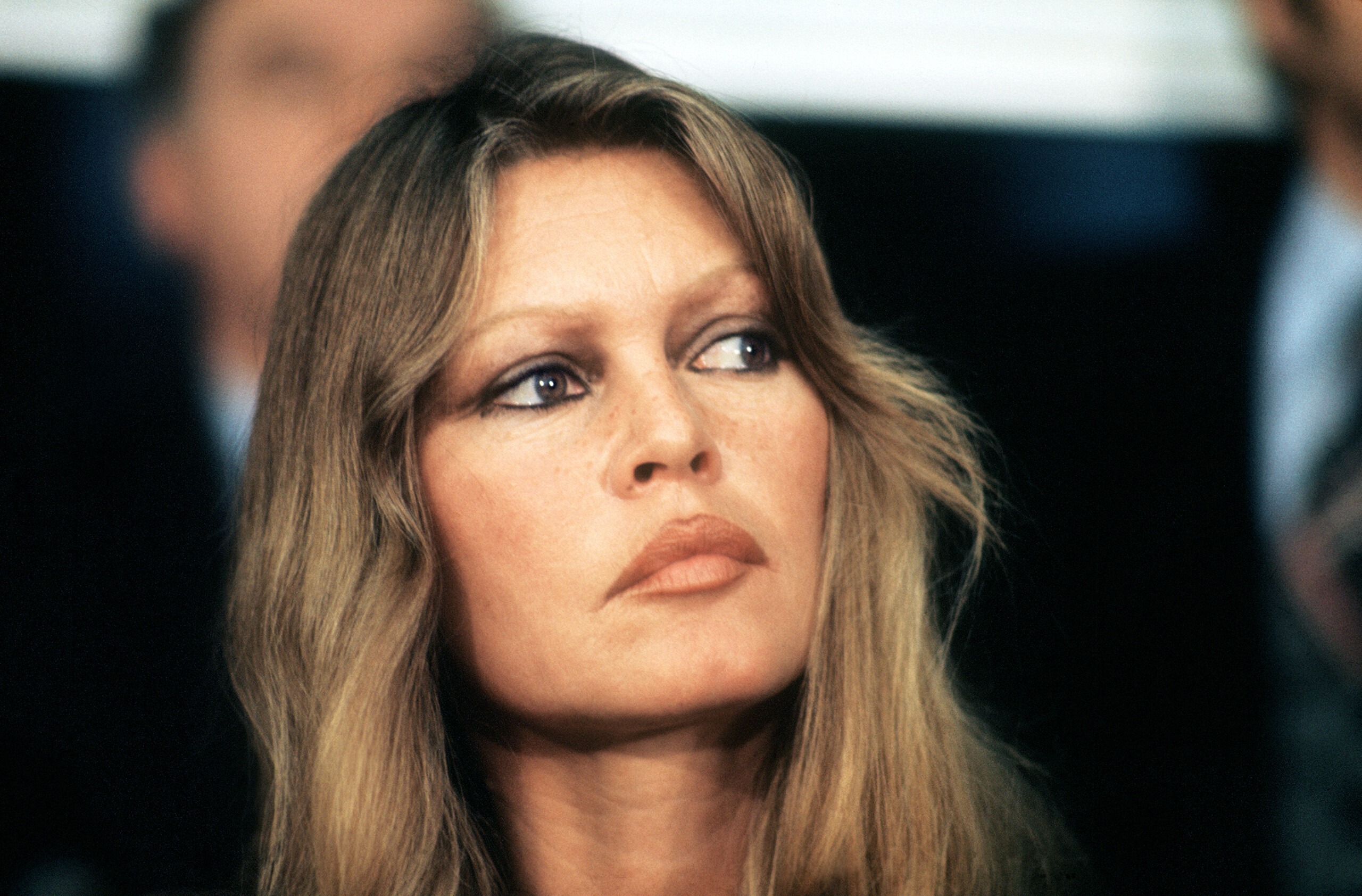
SAINT-TROPEZ, France – Well-wishers lined the streets in Brigitte Bardot’s hometown of Saint-Tropez on Wednesday for the funeral of the French screen icon, as her husband revealed she had died from cancer.
Her wicker coffin was welcomed on the steps of the Notre-Dame de l’Assomption church by her long-estranged son at the start of a traditional Catholic funeral service in the morning.
The reclusive star of the 1950s and 60s was set to be buried at her family’s Mediterranean seaside grave later in the day, after she succumbed to the disease aged 91 at her home on Sunday 28 December.
ALSO READ: From screen goddess to sanctuary: The Brigitte Bardot story that shocked Hollywood
Hundreds of people watched proceedings on a giant screen erected on the yacht-filled port of Saint-Tropez, which the star of “And God Created Woman” helped transform into a glitzy playground for the rich.
Cancer battle revealed
On the eve of the commemorations, Bardot’s fourth husband, former far-right political adviser Bernard d’Ormale, revealed the cause of her death.
Bardot had undergone two operations for an unspecified cancer before the disease “took her”, d’Ormale told Paris Match magazine in an interview about their life together.
After being hospitalised twice in late 2025, Bardot insisted she wanted to return home to her villa known as “la Madrague”, despite being in physical discomfort.
“It was uncomfortable, even when she was bedridden,” added d’Ormale. “However, she remained conscious and concerned about the fate of animals until the very end.”
Family reconciliation
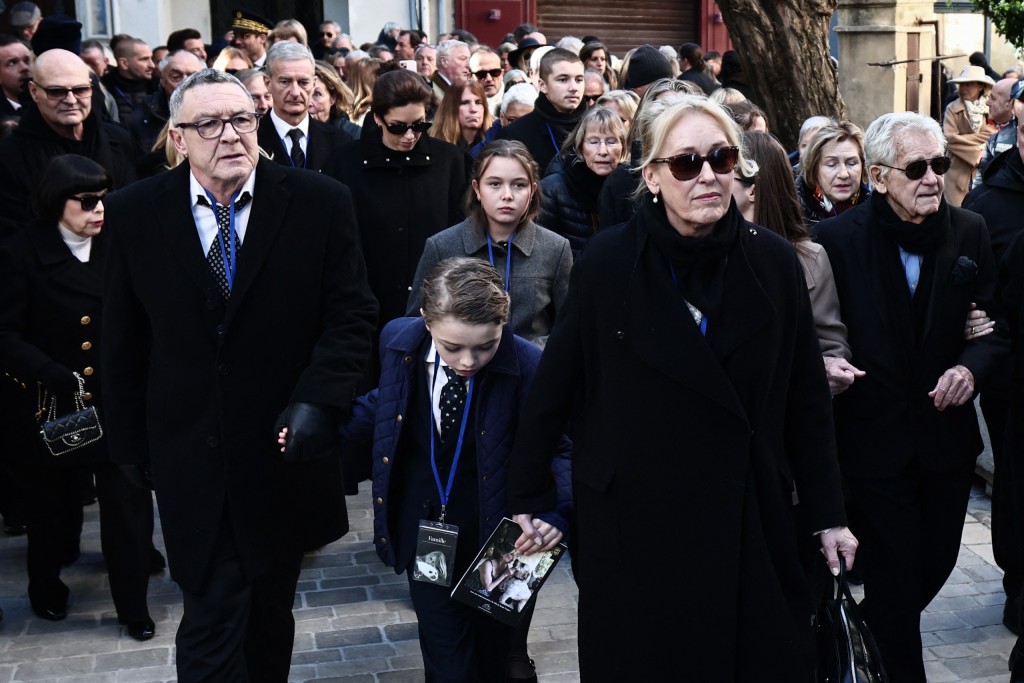
D’Ormale was seated in the front row on Wednesday alongside Bardot’s only child, Nicolas-Jacques Charrier, who attended with his children and grandchildren.
Charrier, 65, was brought up by his father, film director Jacques Charrier, and lives in Oslo. Bardot wrote in her memoirs that she had wanted an abortion but was prevented from doing so by her then-husband.
She compared pregnancy to carrying a “tumour that fed on me” and called parenthood a “misery”, living most of her life estranged from her son. They drew closer in the final years of her life.
Divisive legacy
The lack of a state commemoration for Bardot, one of the country’s best-known celebrities, as well as the mixed reaction to her death, reflect her divisive character and much-debated legacy.
Bardot’s best-known associations — to the heyday of the New Wave French film industry, animal rights campaigning, and far-right politics — were all represented at the televised church service.
The son of fellow late film star Jean-Paul Belmondo attended, as did far-right figurehead Marine Le Pen, and a host of animal rights campaigners whose work Bardot helped publicise through her own foundation.
“What I remember most is what she did for animals. She had a real sensitivity, a small streak of racism too, but it wasn’t malicious — she wasn’t just that,” said Sandrine, a school assistant who had travelled several hours to Saint-Tropez.
The 60-year-old from the Pyrenees mountains said she expected the public turnout to be higher, suggesting it was because of criticism and media coverage of Bardot’s political views and convictions for inciting racial hatred.
Most observers agree that she was a cinema legend who came to embody the sexual revolution of the 1960s through her acting and daring, unconventional persona.
But after she was convicted five times for racist hate speech, particularly about Muslims, left-wing figures have offered only muted tributes — and sometimes none at all.
President Macron’s office offered to organise a national homage similar to one staged for fellow New Wave hero Belmondo in 2021, but the president was snubbed by Bardot’s family. He did not attend on Wednesday but sent a wreath.
Bardot will be buried at a seaside cemetery in Saint-Tropez alongside her parents and grandparents.
In 2018, she said she wished to be buried in the garden of her home along with her pets to avoid a “crowd of idiots” trampling on the tombs of her ancestors.



You must be logged in to post a comment.