

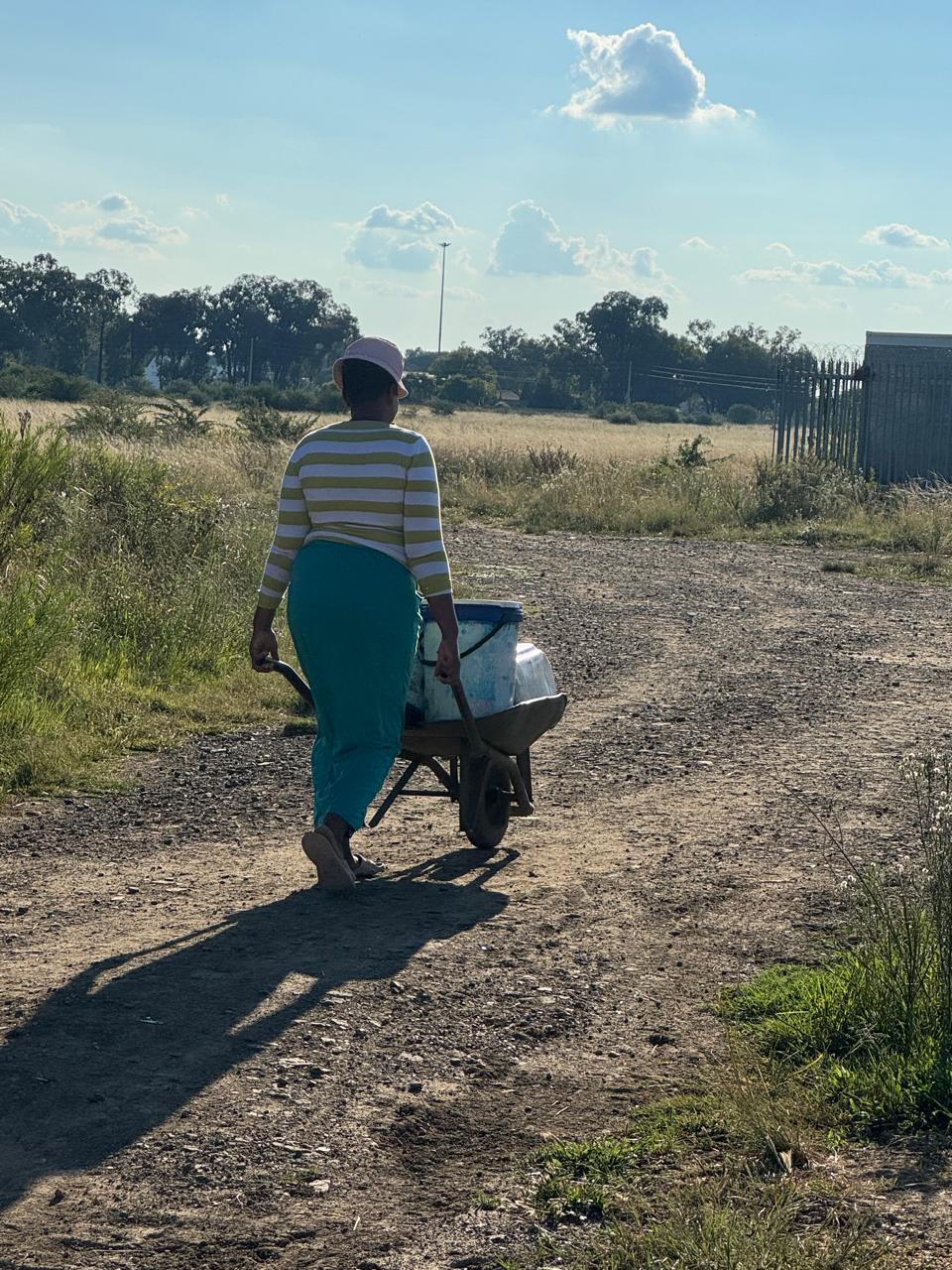
KOPPIES – Serious concerns have emerged over the ongoing water crisis affecting residents of Koppies Extension 5, where many inhabitants, particularly those living in informal areas, have been without access to reliable running water for more than three years.
The situation represents an unacceptable failure in basic service delivery. Despite numerous follow-ups with the municipality, residents report receiving no clear communication or timeline indicating when a permanent solution will be implemented.
“The community remains frustrated and unheard,” says Carina Serfontein, DA councillor for the area.
Serfontein says Koppies is home to the Koppies Dam and is situated alongside the Rhenoster River. The current level of the Renoster Dam is 102.3 percent.
“In a town with access to such natural water resources, there is no justifiable reason why residents should be deprived of their most basic right to water. With proper infrastructure, regular maintenance and sound financial management, a reliable water supply should be guaranteed. The continued reliance on water tankers, as provided from time to time, is not a sustainable or acceptable solution.”
Currently, water is being supplied through tanker trucks, but this system has proved inconsistent and unreliable. Water trucks do not arrive according to a fixed or communicated schedule, deliveries are often missed without explanation, and vehicles frequently break down, leaving entire areas without water.
As a result, residents are forced to walk long distances to collect water in buckets. When access points are closed or dry, they must walk even further, placing an unfair burden on already vulnerable households.
Broader provincial water crisis
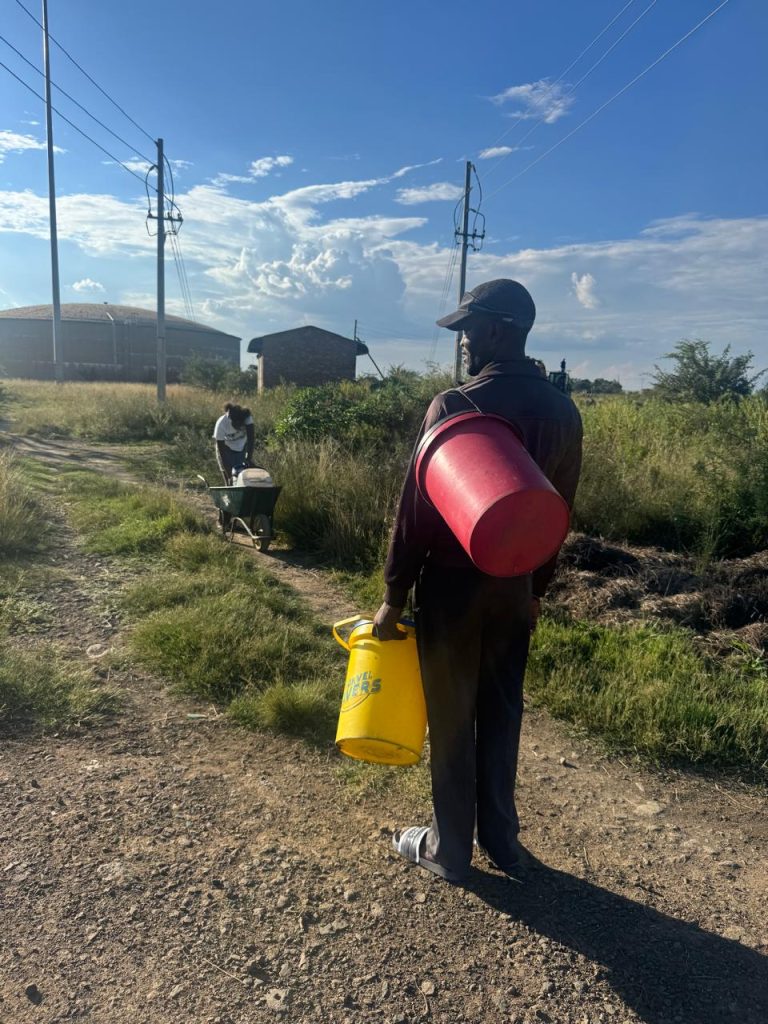
The problems in Koppies Extension 5 reflect a wider water crisis across the Free State, where access to clean and reliable water—a basic human right—continues to be denied to many residents.
In numerous communities throughout the province, residents endure dry taps, inconsistent supply, and crumbling infrastructure, often going without water for days. Just a short distance from the Caledon River in Mashaeng at Fouriesburg, water restrictions have been in place for years.
Where water is available, it is often contaminated. In the Masilonyana Municipality, residents in Makeleketla and Winburg are supplied with water from sources contaminated with sewage. Most freshwater sources in the province remain polluted, with municipalities dumping raw sewage into major rivers and dams, including the Gariep Dam and the Liebenbergsvlei, Wilge, Vals and Vaal Rivers, without consequences.
ALSO READ: MEC Faces Questions Over Deteriorating Tshiame Road in Maluti-a-Phofung in the Free State
In remote areas, residents are still forced to wake in the early hours to collect water or spend their limited income on alternatives. This represents not merely a service delivery failure, but a fundamental human rights violation.
Infrastructure failures in Maluti-a-Phofung
Areas of Maluti-a-Phofung considered high-lying relative to their respective water reservoirs are increasingly suffering from water outages. This is a direct result of excessive water leaks and failure to ensure that water infrastructure equipment is upgraded to keep pace with economic growth.
The municipality’s water infrastructure is simply unable to meet demand, with hundreds of thousands of litres of purified water lost through leaks. This prevents sufficient water pressure from building to reach high-lying areas, which receive water last and are first to lose supply when leaks occur.
Furthermore, MAP Water has not kept pace with demand driven by economic growth. With poor revenue collection, there is a significant maintenance backlog, leading to a reactive rather than proactive approach to upgrades and repairs.
ALSO READ: Qwaqwa residents left without power as R90 Million substation project stalls
The Democratic Alliance calls for urgent intervention in Koppies Extension 5, demanding immediate implementation of a reliable and publicly communicated water truck schedule, urgent repair and maintenance of water delivery vehicles with backup capacity, transparent communication with residents, acceleration of plans to install permanent water infrastructure, and ongoing monitoring and accountability from the municipality.
The DA has lodged a complaint with the South African Human Rights Commission, which made serious findings regarding violations of the right to water. Due to DA pressure, the Department of Water and Sanitation has instituted an intervention to improve bulk water infrastructure, as well as sewage plants and networks.


You must be logged in to post a comment.