

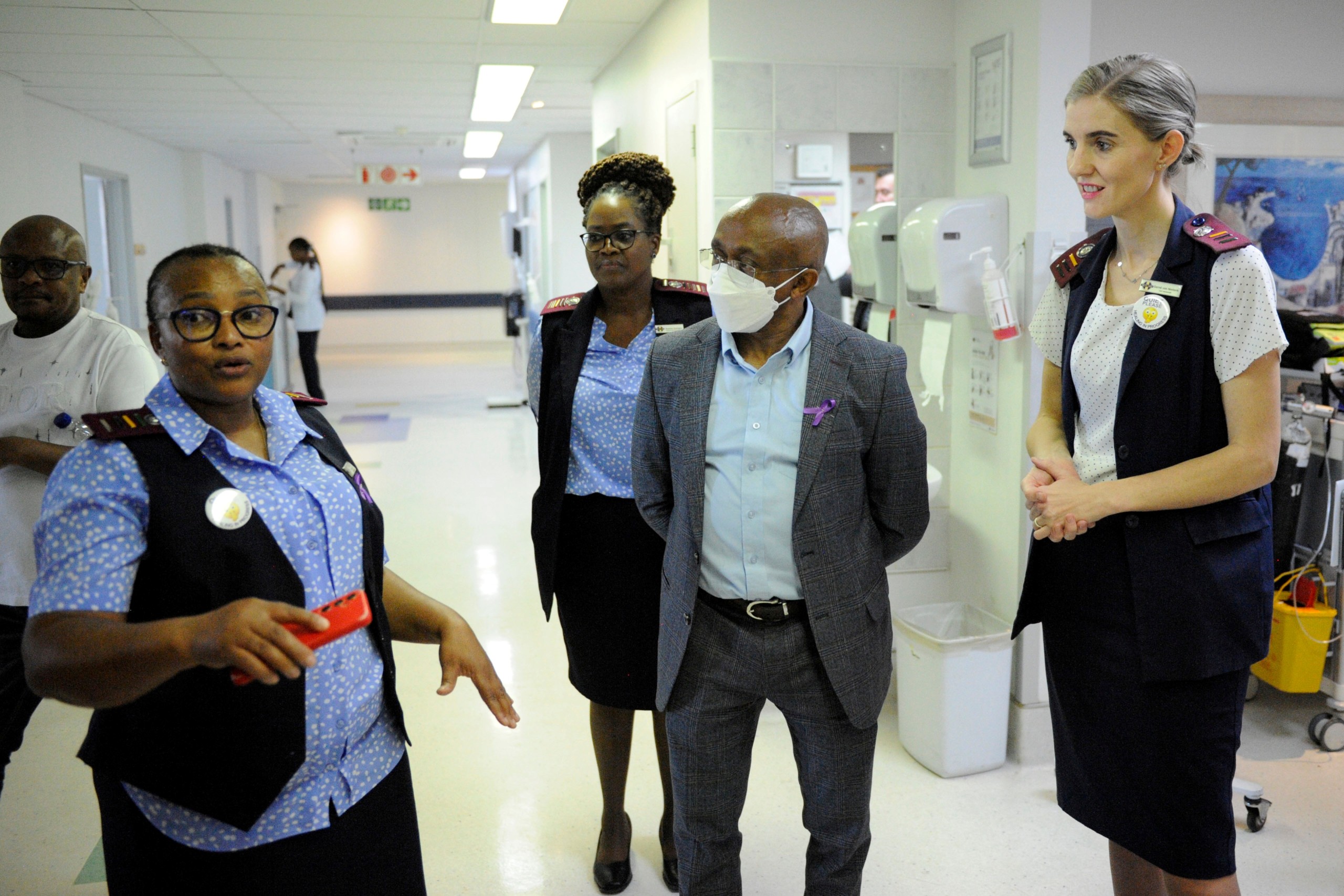
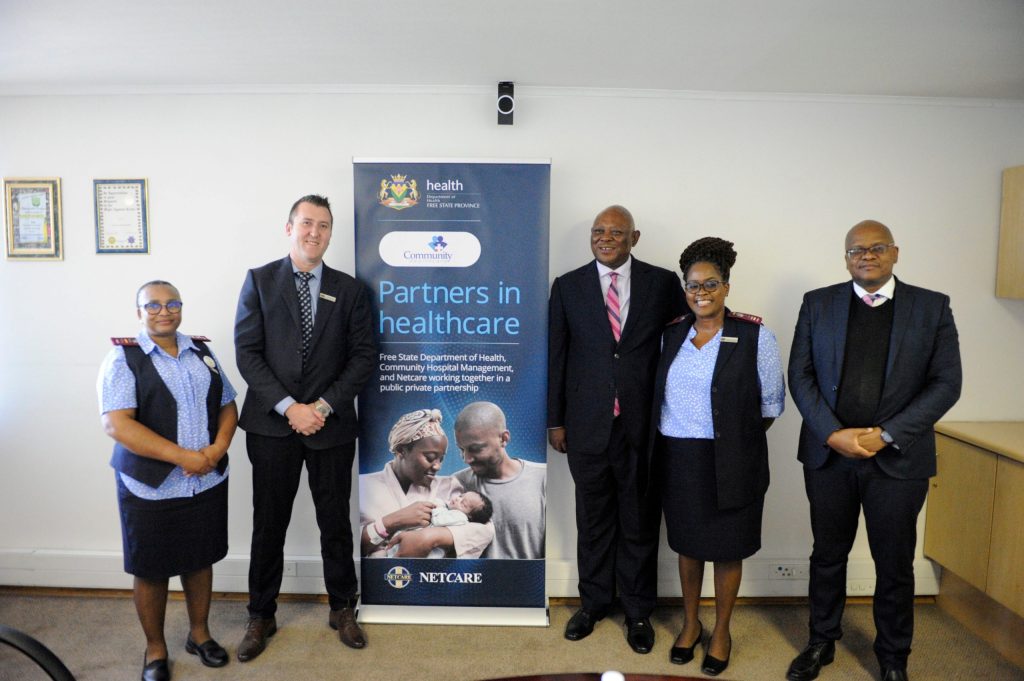
The Free State Department of Health (FSDOH) has announced a two-year extension of its longstanding Public Private Partnership (PPP) with Community Hospital Management (CHM), managed by Netcare. Originally established in 2002, the partnership now extends until 30 November 2027, ensuring continued access to quality healthcare services for Free State residents.
The PPP encompasses Universitas Private Hospital in central Bloemfontein and Pelonomi Private Hospital in the greater Mangaung municipal area—two facilities that have become cornerstones of the province’s healthcare infrastructure. Together, the hospitals employ hundreds of healthcare professionals and support staff whilst delivering critical specialised services, including kidney transplants, paediatric oncology, and advanced diagnostics.
Transformative impact over two decades
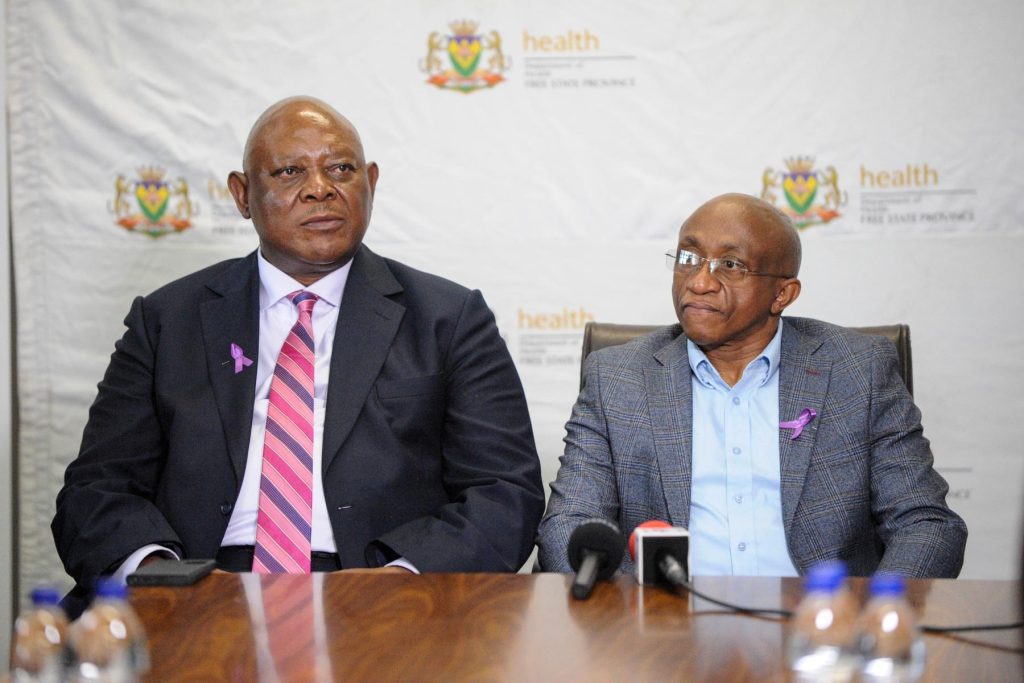
Member of the Executive Council (MEC) for Health of the Free State, Monyatso Mahlatsi, highlighted the partnership’s transformative effect: “Over 23 years, this collaboration has significantly increased access to specialised healthcare services in the Free State. We have improved our infrastructure, secured dependable clinical capacity, and ensured our residents no longer need to travel to larger cities for specialised care. We have witnessed ongoing improvements in theatre services, strengthened high-care and intensive care capacity, and expanded specialist outpatient clinics in vital areas.”
Enhanced emergency and surgical capabilities
The partnership has delivered measurable improvements across multiple service areas. Dr Erich Bock, Managing Director of Netcare’s Hospital Division, highlighted key achievements: “Emergency and trauma capabilities at Pelonomi Private Hospital have been enhanced, reducing response times and the need for patient transfers. Elective surgery capacity has expanded through better-coordinated theatre access. Experienced specialists practise at our hospitals, supported by skilled nursing and support teams to deliver comprehensive medical and surgical care, including general surgery, gynaecology, and paediatrics.”
Specialised medical services
Dr Bock noted that Universitas Private Hospital remains the only accredited facility in the Free State performing kidney transplants whilst offering private paediatric oncology services and manometry services—specialised medical diagnostic procedures that measure pressure within various organs and body systems.
“Pelonomi Private Hospital provides comprehensive medical and surgical services through two theatres, radiology and pathology departments, a National Renal Care dialysis unit, and a dedicated 10-bed psychiatric unit. Additionally, both hospitals operate retail pharmacies serving the broader community.”
Economic and social impact
Joe Madungandaba, Chairman of CHM, spoke to the partnership’s broader impact: “Through our collaboration with the FSDOH and Netcare, we have maintained and expanded critical healthcare services whilst creating sustainable employment opportunities across both facilities. We have invested heavily in training and upskilling programmes, contributing meaningfully to the provincial economy. This is much more than a business arrangement; it is a blueprint for how strategic partnerships can transform healthcare delivery and create lasting value for communities.”
Adaptive healthcare model
The partnership’s evolution reflects changing healthcare needs. Ernest Mohlahlo, Head of Department of the FSDOH, explains: “What began as a response to infrastructure shortages has evolved into a comprehensive healthcare delivery model. Today, our partnership emphasises affordability, value for money, stronger governance, integrated workforce planning, and alignment with provincial health priorities. We have adapted to address changing healthcare needs, including chronic disease, trauma care, and the requirements of an ageing population.”
Specialist retention strategy
A key element of the partnership’s success has been the structured implementation of Remunerative Work Outside Public Service (RWOPS), which enables public-sector doctors to undertake additional remunerated work whilst maintaining their public posts. This arrangement has proven essential in attracting and retaining experienced specialists, ensuring service continuity, and reducing talent migration to metropolitan areas.
Enhanced future initiatives
The renewed agreement introduces enhanced initiatives, including:
- Expanded specialist outpatient clinics
- Structured theatre scheduling for increased surgical throughput
- Joint workforce development programmes
- Greater focus on chronic disease management and rehabilitation services
Vision for continued success
MEC Mahlatsi summarises the impact of continued collaboration: “This partnership has proven that when public and private sectors unite with a shared vision, we can achieve remarkable outcomes. The renewed agreement is not merely an extension—it is an evolution that addresses our people’s changing healthcare needs in meaningful ways whilst maintaining financial sustainability.
“This model demonstrates that quality healthcare does not have to be a privilege reserved for those in major cities. It can be delivered right here, in the communities where our people live and work. That is the legacy of this partnership, and the promise we are extending for another two years.”



You must be logged in to post a comment.