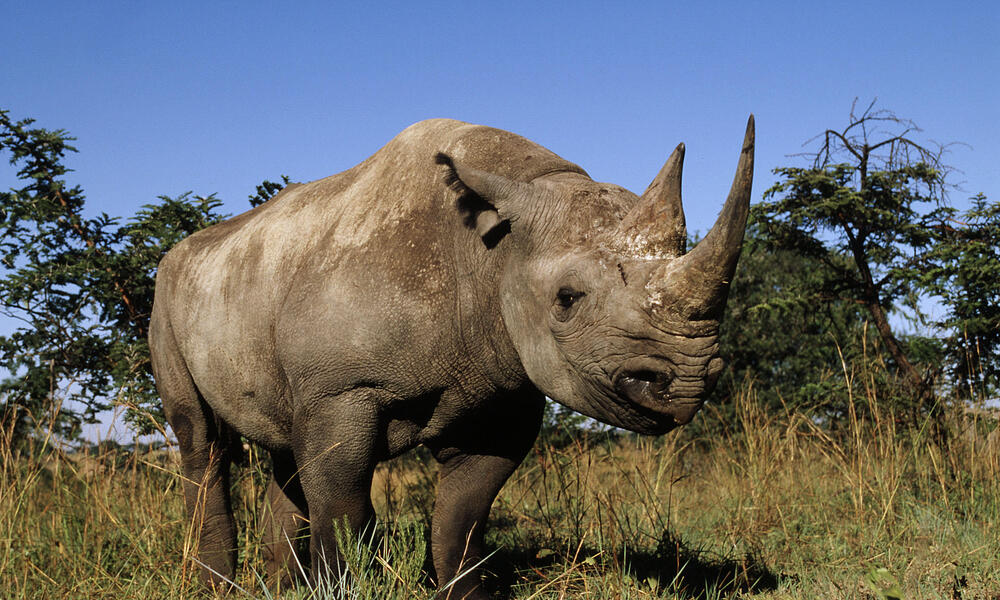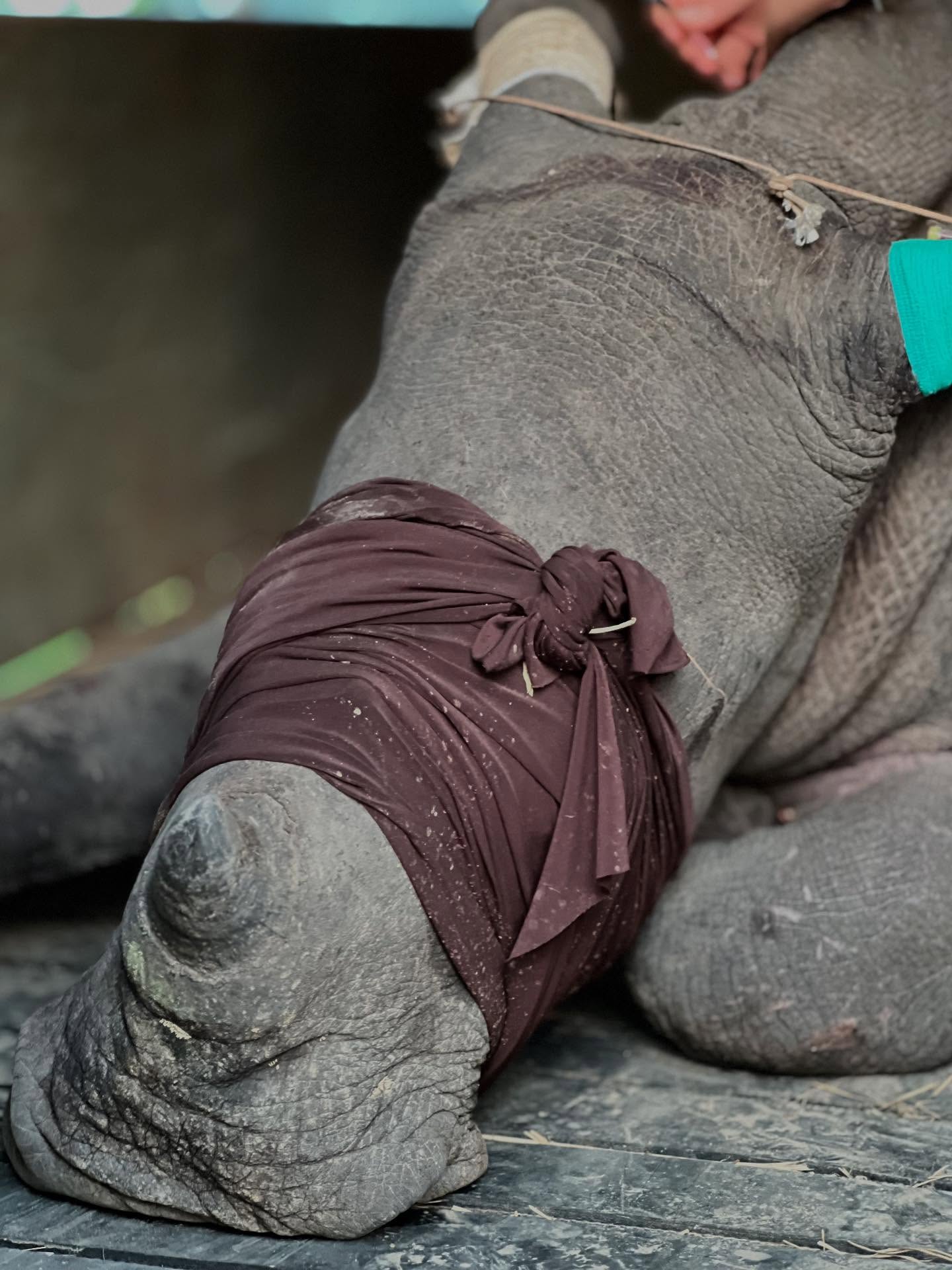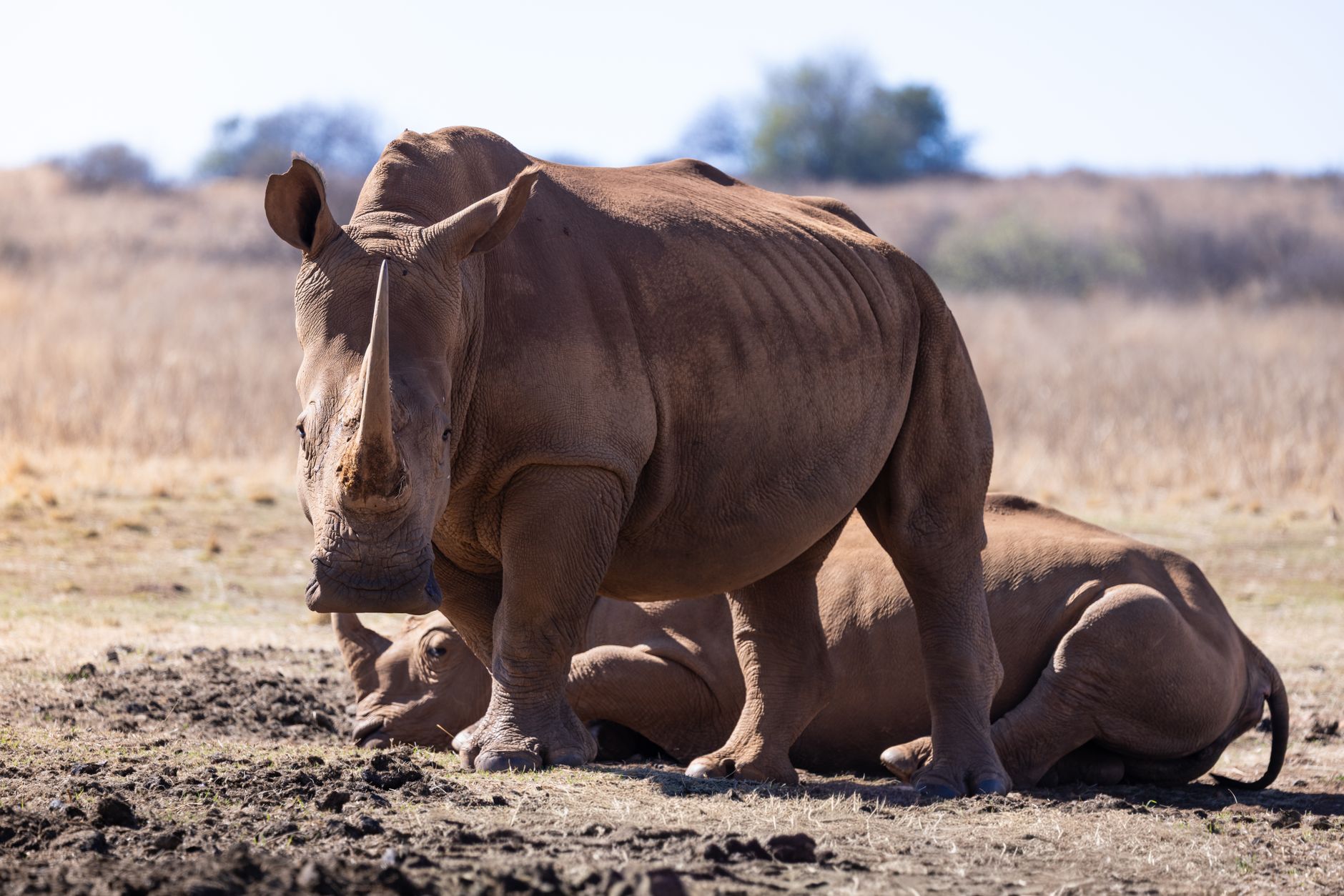
A former Kruger National Park ranger and a state veterinary technician have been found guilty of illegally hunting and killing a white rhino in a protected area, ending a legal case that has dragged on for nearly 10 years.
The Skukuza Regional Court on Friday convicted Rodney Landela, who worked as a regional ranger at Kruger, and Kenneth Mochocho, a former animal health technician with the State Veterinary Service, on two charges.
The pair were found guilty of illegally hunting a protected species and possession of a firearm with the intent to commit a crime.
South African National Parks (SANParks) welcomed the verdict in a statement released on Friday, calling it a significant victory in the fight against wildlife crime.
The two men originally faced six charges, but prosecutors withdrew four of them during the trial. The withdrawn charges included theft of the rhino horns, conspiracy to commit a crime, tampering with evidence, and escaping from lawful custody.
The case has been making its way through the courts for approximately a decade, highlighting the often lengthy process of bringing wildlife criminals to justice.
SANParks praised the National Prosecuting Authority, investigators, law enforcement agencies and witnesses who helped secure the conviction.
“The judgement brings closure to a matter that has been before the courts for approximately 10 years and represents a significant victory in the fight against wildlife crime and the protection of South Africa’s natural heritage,” the organisation said.
The conviction is particularly significant because it involved officials who were meant to protect wildlife. Landela’s position as a regional ranger would have given him intimate knowledge of rhino movements and park operations, while Mochocho’s veterinary role provided access to specialised knowledge about handling wildlife.
The court has not yet handed down sentences for the two men.
South Africa has lost thousands of rhinos to poaching over the past two decades, with criminal syndicates targeting the animals for their horns, which are illegally traded to Asian markets where they are falsely believed to have medicinal properties.
ALSO READ: Rhino poaching doubles in South Africa’s Kruger Park