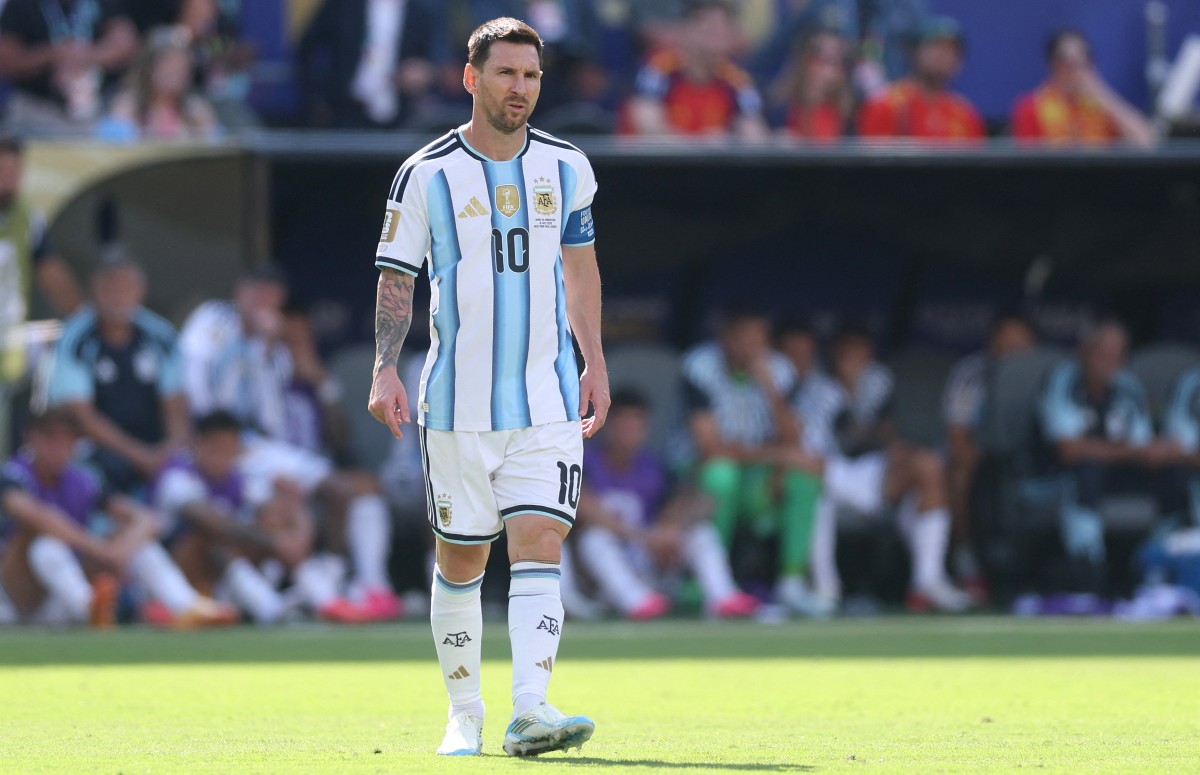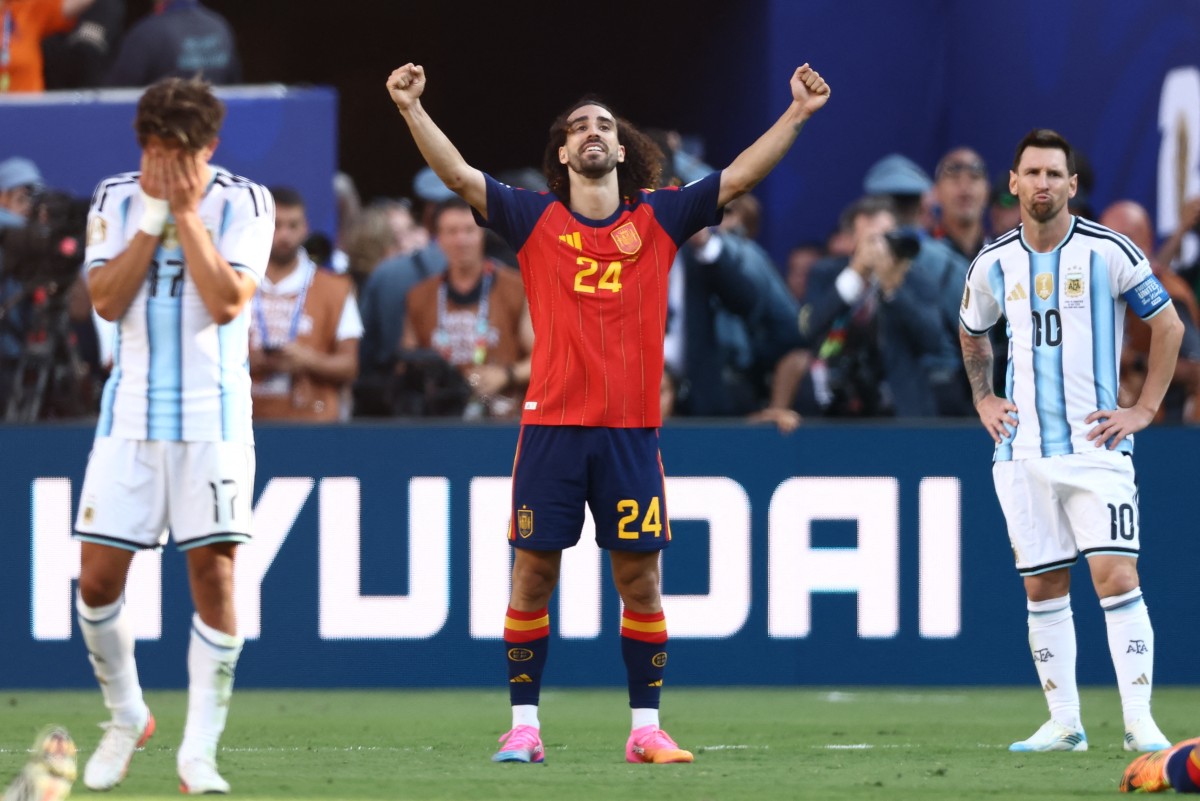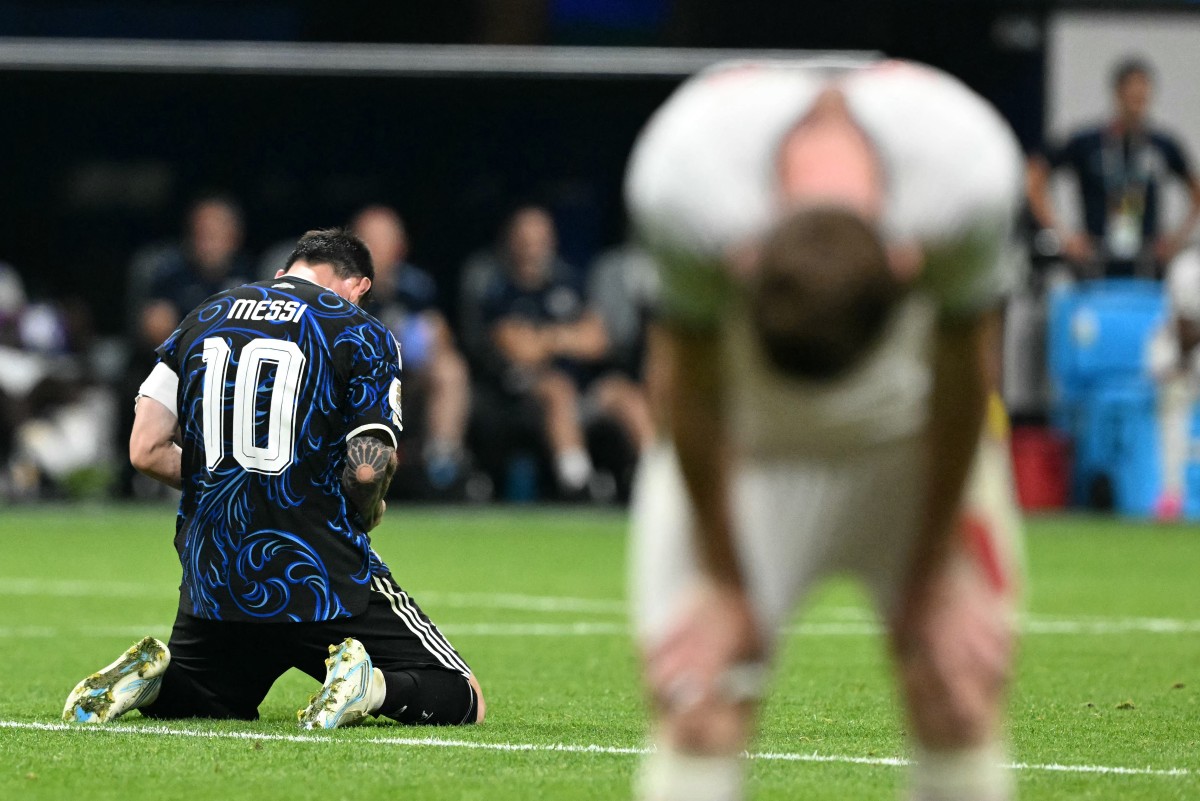
The celebrations in Madrid have barely finished, but FIFA has already opened the case file. World football’s governing body announced Wednesday it has launched disciplinary proceedings against multiple Argentina players for their behaviour after losing the World Cup final to Spain in dramatic and controversial fashion.
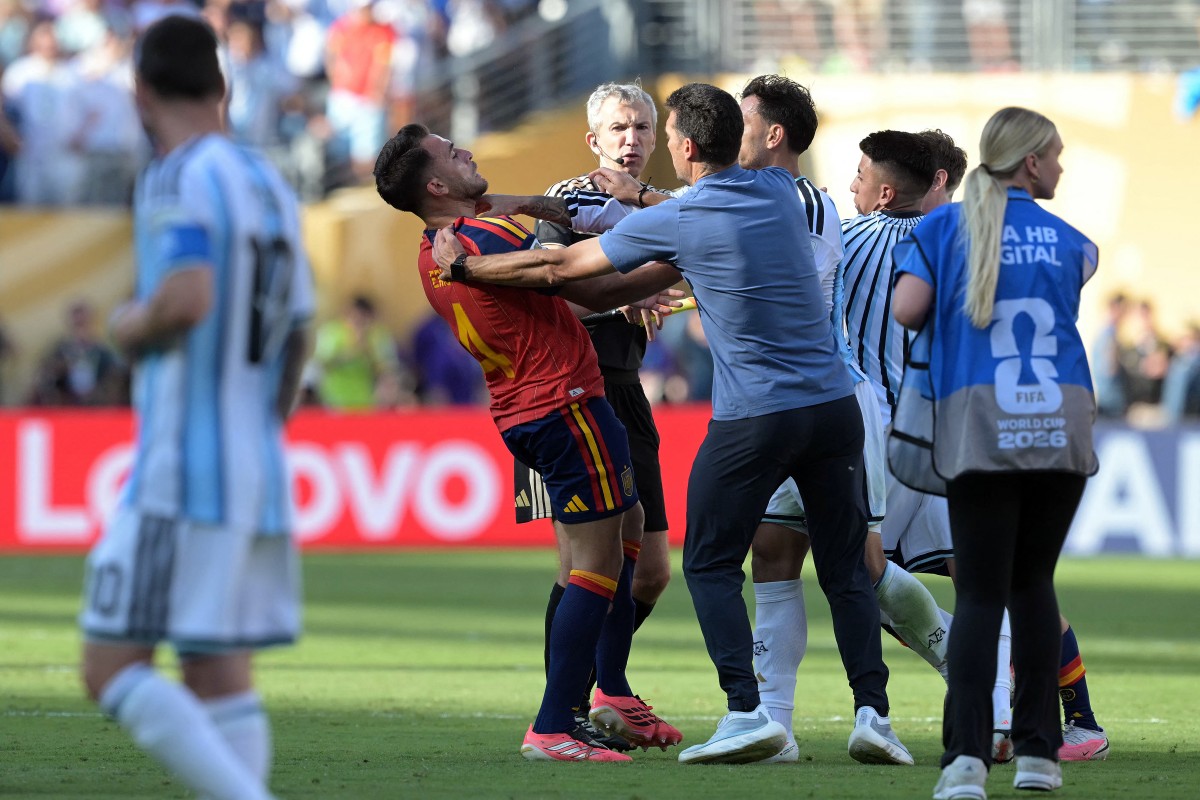
A handful of Argentina players and staff confronted their Spanish rivals after the final whistle in New York, where Spain clinched a 1-0 victory after extra time to claim their second World Cup crown. What should have been Spain’s moment of glory turned into an ugly melee that has now landed Argentina in serious hot water.
Also read: Petition to ban Argentina from future World Cups gains over 23 million signatures
Nahuel Molina, Thiago Almada, and Leandro Paredes, all members of Argentina’s squad, have been named in the proceedings, alongside Argentinian official Roberto Ayala. Spain’s Pablo Martin Paez Gavira, better known as Gavi, has also been dragged into the investigation, suggesting the confrontation wasn’t entirely one-sided.
The quintet face a raft of charges ranging from assault to unsporting behaviour, offences that carry potential lengthy bans and hefty fines. But the post-match fracas is just the tip of the iceberg.
The Falklands banner controversy
FIFA will also investigate an incident following Argentina’s 2-1 semi-final victory over England that threatened to turn a football match into a diplomatic powder keg.
After eliminating England at the semi-final stage, Argentina players held up a banner emblazoned with the words: “Las Malvinas son Argentinas” – The Falklands are Argentine. The politically charged gesture, displayed in front of a global television audience, immediately sparked outrage and accusations that Argentina had crossed the line from sporting rivalry into political provocation.
The Falkland Islands remain a deeply sensitive geopolitical flashpoint between Argentina and the United Kingdom, fought over in a 1982 war that claimed nearly 1,000 lives. FIFA’s strict rules prohibit using sporting events for demonstrations of a non-sporting nature, and Argentina’s players will now face the consequences.
A litany of alleged offences
The charges don’t stop there. FIFA’s statement outlined a comprehensive list of potential breaches that paint a picture of a tournament campaign marred by misconduct both on and off the pitch.
The proceedings will target potential violations of FIFA’s articles covering:
- Using a sports event for demonstrations of a non-sporting nature
- Team misconduct
- Discrimination and racist abuse
- Order and security at matches
That final category comes loaded with specifics. FIFA cited “discriminatory chants and gestures, late kick-offs, failure to comply with match and security protocols, the display of inappropriate messages by the team and spectators, and the throwing of objects by spectators in relation to several matches of the representative team of Argentina at the FIFA World Cup 2026.”
In other words, this isn’t just about what happened after the final whistle in New York. This is FIFA compiling a dossier of Argentina’s behaviour throughout the entire tournament.
Pattern of behaviour under scrutiny
The breadth of the charges suggests FIFA believes Argentina’s conduct represented a pattern rather than isolated incidents. Late kick-offs indicate a lack of professionalism. Failure to comply with security protocols raises questions about the team’s respect for tournament regulations. Discriminatory chants point to issues within the supporter base that the federation failed to control.
When you add it all together, the post-match confrontation, the political banner, the crowd trouble, the protocol violations, you get a picture of a team and federation that, in FIFA’s view, brought the game into disrepute.
What happens next?
FIFA’s disciplinary committee will now review the evidence, which likely includes match footage, referee reports, security assessments, and witness statements. The process can take weeks or even months, depending on the complexity of the case and whether those charged contest the allegations.
Potential punishments range from fines to match bans for individual players, stadium closures, and even points deductions or disqualification from future competitions for repeat or serious offences. Given the gravity and number of charges, Argentina could be facing sanctions that significantly impact their footballing future.
For the players named, Molina, Almada, and Paredes, individual bans could rule them out of crucial World Cup qualifiers or international tournaments. Roberto Ayala, as an official, faces potential suspension from team duties. Even Gavi, despite being on the winning side, isn’t immune from punishment if FIFA determines he played a role in the post-match confrontation.
A stain on the beautiful game
World Cups should be remembered for spectacular goals, tactical brilliance, underdog stories, and moments of individual genius. The 2026 tournament delivered all of that. But it will also be remembered for what happened after the final whistle in New York, and for the political banner in the semi-final.
Argentina, as one of football’s great nations and a country that gave the world Diego Maradona and Lionel Messi, should be above this. Their players and officials know better. Their supporters deserve better representation.The beautiful game deserves better. Argentina should know that better than most.