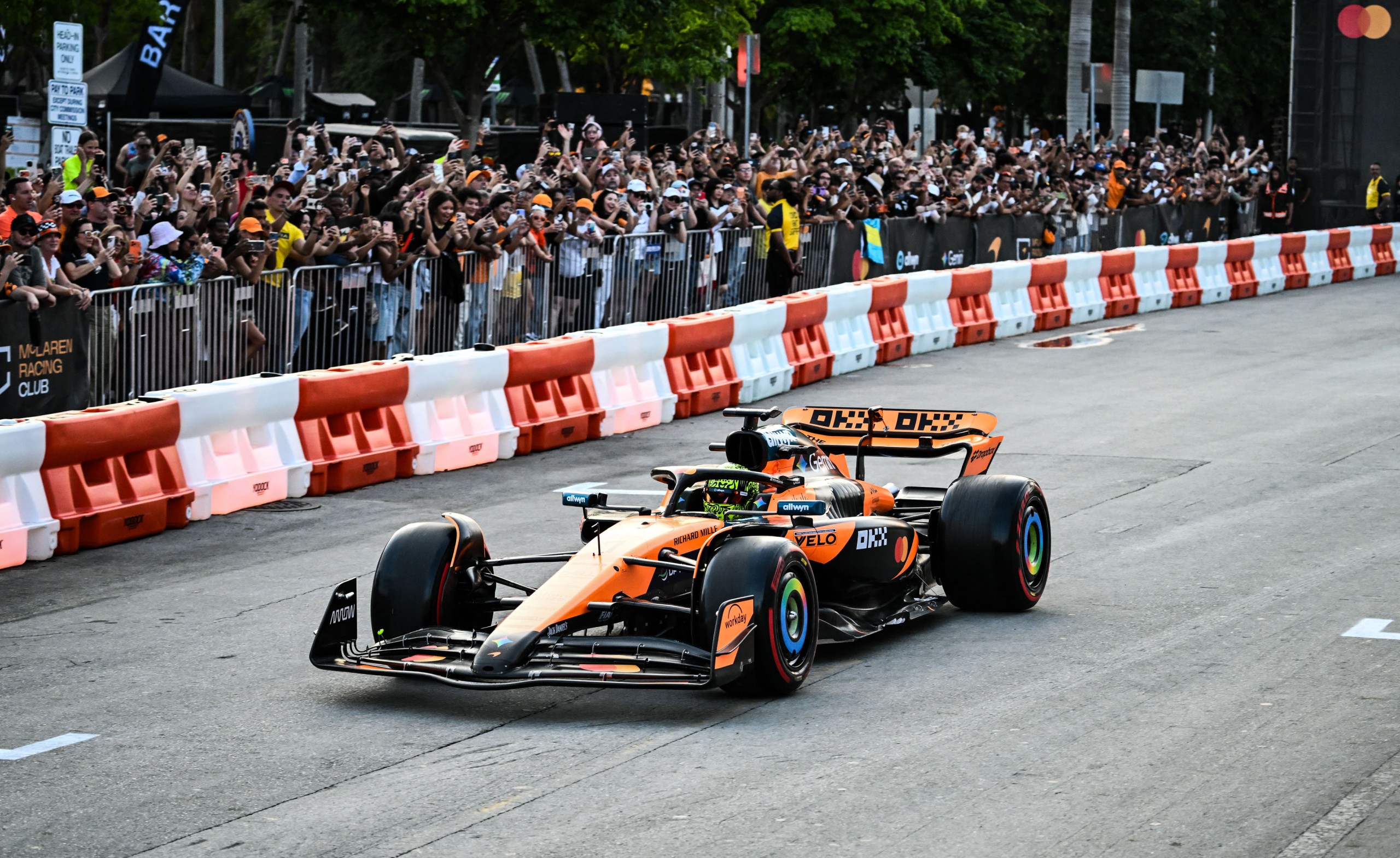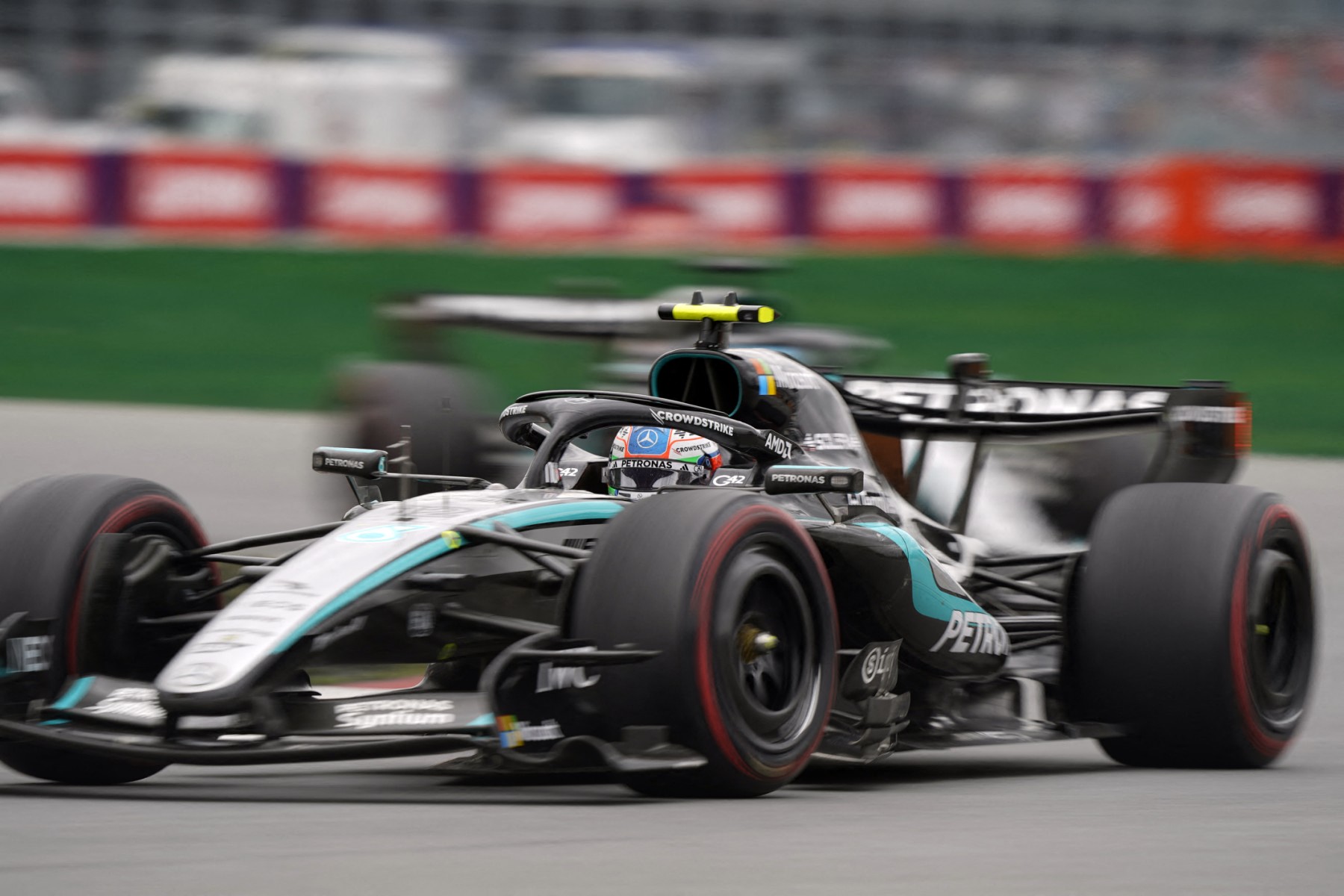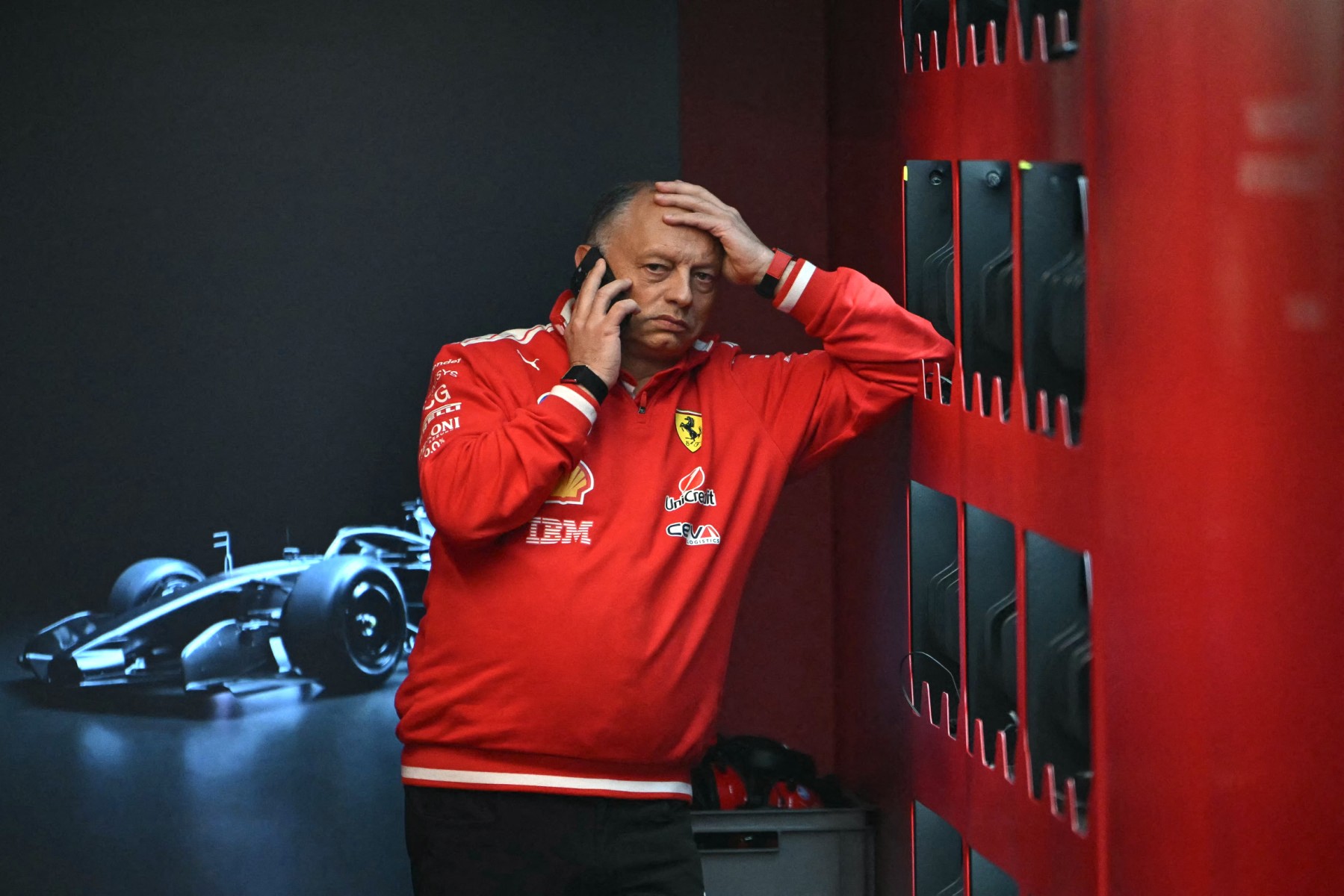
The sport’s hierarchy blinked first, Miami Grand Prix will debut hastily revised regulations after three-race disaster threatens F1’s credibility
When a four-time world champion brands your product “a joke” and threatens to walk away, you’ve got a problem. When fans revolt, drivers rebel, and the spectacle resembles fuel-saving endurance racing rather than pinnacle motorsport, you’ve got a crisis. Formula One discovered this harsh reality on Monday when chiefs unanimously agreed to emergency rule changes, tacitly admitting the 2026 regulations have been an unmitigated disaster.
The climbdown represents a humiliating reversal for F1’s governing body, forced into action after just three rounds by withering criticism from the paddock’s most influential voices. Max Verstappen’s threat to take a sabbatical in 2027 unless sanity prevailed proved the tipping point, lose the sport’s defining talent, or swallow pride and fix the mess.
They chose survival.
The hybrid horror show
This season’s regulatory revolution promised closer racing and sustainable technology. What it delivered was processional qualifying sessions, artificial overtaking, and drivers nursing batteries like hypermilers rather than gladiators attacking at ten-tenths.
The new regulations mandated cars combining combustion and electrical power in configurations that forced drivers to carefully manage battery deployment. Instead of qualifying laps showcasing raw speed and commitment, F1 delivered the motorsport equivalent of lift-and-coast fuel-saving, drivers effectively slowing down to harvest energy, neutering the spectacle that separates qualifying from parade laps.
The boost button addition compounded the farce. Rather than overtakes earned through superior racecraft or driving skill, drivers could press a button for temporary power advantages. It transformed wheel-to-wheel combat into a video game mechanic, stripping authenticity from racing’s purest form.
Verstappen’s post-Chinese Grand Prix assessment captured the paddock’s sentiment perfectly: “a joke.” His subsequent hint about taking 2027 off unless changes materialised sent shockwaves through F1’s corridors of power.
Other drivers echoed his concerns, whilst fans made their displeasure abundantly clear across social media and attendance figures.
The emergency fix
Monday’s online meeting between Formula One, the FIA, and team principals produced unanimous agreement on regulatory tweaks debuting at the Miami Grand Prix on 3 May. The speed of consensus underscores the severity of the crisis, F1’s stakeholders rarely agree unanimously on lunch orders, let alone fundamental rule changes.
The modifications target the regulations’ most egregious failings. Energy harvesting drops from eight megajoules to seven, whilst the hybrid power unit climbs from 250kW to 350kW. The combined effect should allow drivers to sustain full-speed running for longer periods during qualifying.
The boost button also receives surgical attention following British driver Ollie Bearman’s high-speed crash in Japan, attributed partly to closing-speed differentials created by the system. The new 150kW cap aims to “limit sudden performance differentials,” per the FIA’s statement, reducing the lottery element whilst theoretically improving safety.
Wolff’s Warning
Mercedes team principal Toto Wolff injected cautionary notes into the reform conversation, his perspective shaded by his drivers’ strong season opening. Kimi Antonelli leads George Russell by nine points after three races, Mercedes’ best start in recent memory creating understandable reluctance for dramatic regulatory upheaval.
“The discussions that have been taking place between the drivers, the FIA, Formula One, and the teams have been constructive,” Wolff noted before Monday’s meeting. “We all share the same objectives. It’s how can we improve the product, make it out-and-out racing, and look at what can improve in terms of safety, but act with a scalpel and not with a baseball bat.”
Wolff’s subsequent plea against public criticism carried weight: “We are custodians of the sport and we have many hundreds of thousands of fans that love F1. In order to protect this huge opportunity that the sport gives us, we shouldn’t badmouth in public our own sport.”
Formula One stands at a crossroads. The emergency modifications debuting in Miami represent acknowledgment that the 2026 regulations misjudged what fans want and what racing should deliver. Whether they constitute sufficient correction or merely delay more fundamental reform remains unanswered.
The Miami Grand Prix carries unusual significance. Beyond championship points and podium celebrations, it serves as referendum on F1’s regulatory direction. Get it right, and the sport salvages credibility whilst demonstrating responsive governance. Get it wrong, and the crisis deepens.