

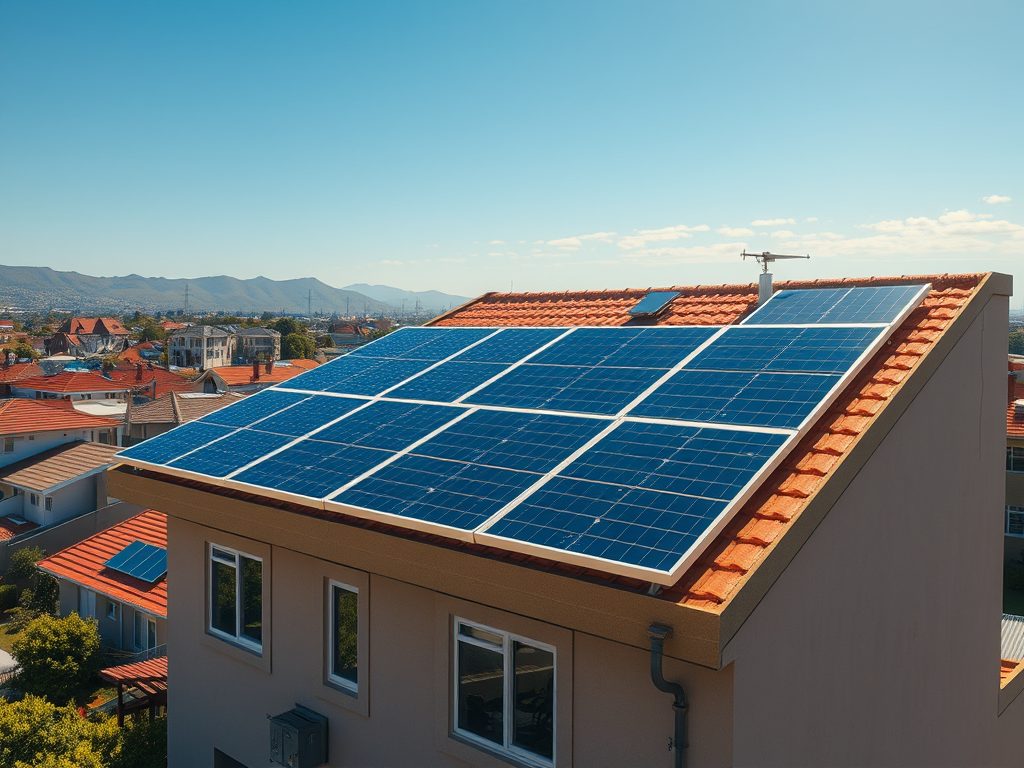
Eskom has extended the deadline for residential solar system registration from 31 March to 30 September and announced a new prepaid option for customers, following widespread public opposition to the requirement.
The utility said the measures aim to ensure that Small-Scale Embedded Generation systems of up to 50kW are connected safely and responsibly in line with national requirements.
Eskom will waive all registration and connection fees, including free smart meter installation worth up to R10 000 for urban and residential customers and R36 000 for rural customers, until the new deadline.
A new prepaid option will soon be available for residential customers who wish to install rooftop solar while remaining on prepaid metering. Customers may retain their existing setup or have a free smart meter installed where required. The option is currently being tested before broader rollout.
“We recognise the important role customers play in South Africa’s energy transition. Our goal is to ensure installations are safe, compliant and aligned with protecting the national grid,” said Agnes Mlambo, Eskom’s acting group executive for distribution.
Eskom said national regulations require all embedded generation systems under 100kW that are connected to the electricity network to be registered with the electricity supplier, whether Eskom or the local municipality.
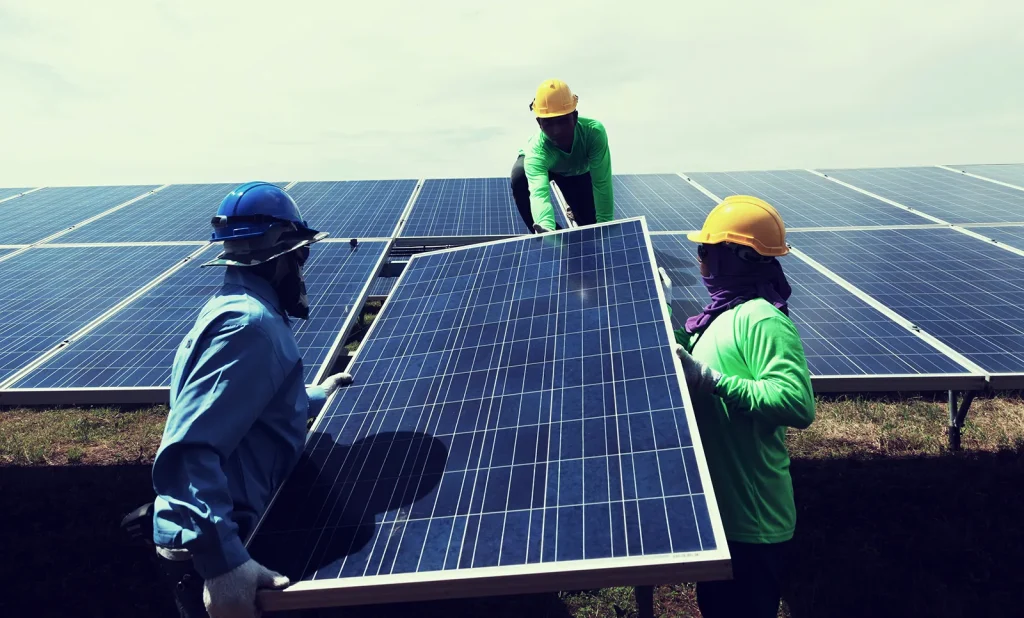
The National Energy Regulator of South Africa stated in a media release that registration plays an important role in keeping the electricity system safe and reliable. The regulator said that while a Certificate of Compliance confirms that an installation meets electrical safety standards, registration ensures systems are connected in a way that protects the national grid.
NERSA emphasised that registration is not intended to discourage solar installation but to support responsible and safe connection of customer-owned generation.
However, the Organisation Undoing Tax Abuse maintains that the registration policy lacks legal and practical justification.
ALSO READ: Solar installations become essential for SA home sales as buyers demand energy independence
The advocacy group argues that homeowners who have installed solar panels are responding responsibly to electricity supply challenges and should not face additional administrative hurdles.
“South Africans who have invested in solar are acting responsibly in the face of an unreliable power supply. If their systems are safely installed and backed by a valid Certificate of Compliance, there is no justification for forcing additional registration. Eskom should be enabling this shift, not getting in the way,” said Wayne Duvenage, CEO of OUTA.
OUTA contends that solar installations completed by qualified, registered electricians with valid Certificates of Compliance already meet safety and legal requirements, making further registration unnecessary.
ALSO READ: Solar registration deadline sparks compliance confusion as Eskom faces pushback
The organisation said the additional administrative process creates confusion, increases costs and places an unfair burden on residents and small businesses already managing the financial impact of energy insecurity.
To register, customers need to submit a Certificate of Compliance, an inverter test certificate and a test report for the installation. Systems may be signed off by a person registered with the Department of Employment and Labour.
OUTA has called on Eskom to focus on grid stability and transparency rather than implementing what it describes as unnecessary red tape for private generation.
According to OUTA, public resistance to the registration requirement has played a significant role in prompting Eskom to reconsider its timeline.
Eskom urged customers to make use of the registration fee waiver while it remains in place and reaffirmed its commitment to supporting customers throughout the registration process.
ALSO READ: Solar users should not register with Eskom or municipalities, says OUTA


You must be logged in to post a comment.