
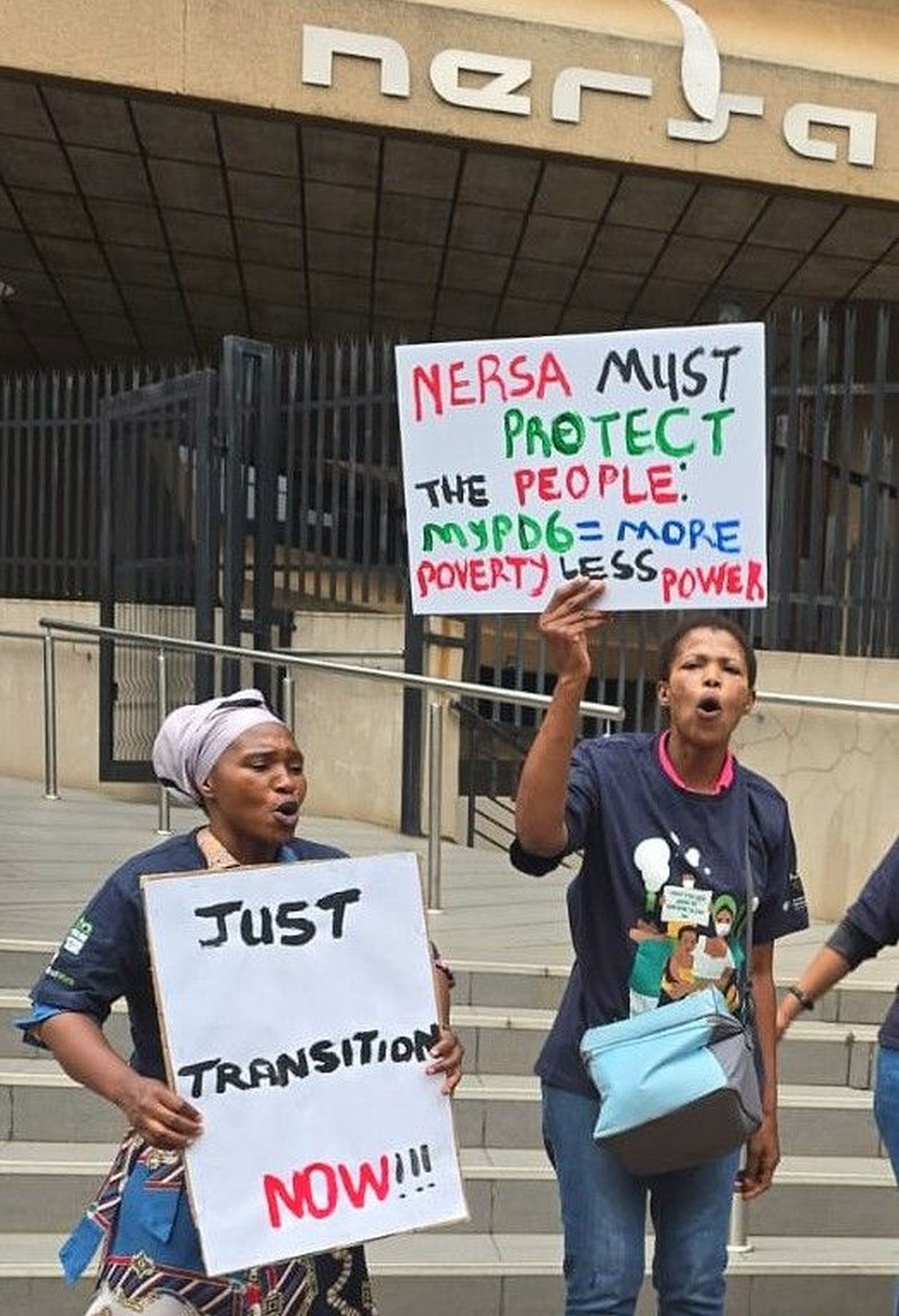
Energy justice organisations gathered outside the National Energy Regulator of South Africa’s (Nersa) Pretoria offices yesterday to oppose further electricity tariff increases, arguing that the approved hikes will deepen energy poverty for households already struggling with high costs.
Earthlife Africa Johannesburg, joined by community partners and the Women in Energy and Climate Change Forum, demonstrated against the tariff increases under Eskom’s Sixth Multi-Year Price Determination on the final day for public submissions.
The groups dispute Nersa’s claim that its decision balanced affordability with financial sustainability, arguing that the regulator prioritised Eskom’s finances over household needs.
“Majority of South Africans are already buckling under the pressures of the high cost of living. Another electricity price increase – which is a consequence of Eskom’s failures – will worsen inequality and energy poverty,” said Thabo Sibeko, senior programme officer at Earthlife Africa.
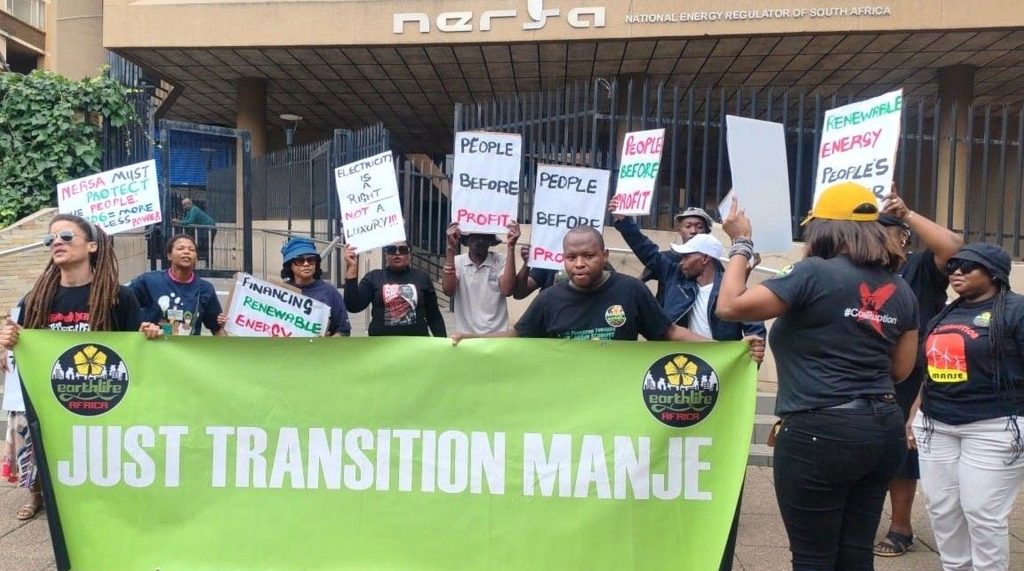
According to the protesters, approximately 43% of South African households cannot meet basic electricity needs, forcing many to rely on paraffin, candles, and wood for energy.
Sibeko said that despite years of tariff increases, many townships and rural areas continue to experience prolonged outages and infrastructure failures. He called for approval of higher revenues to be tied to visible service improvements.
The Women in Energy and Climate Change Forum, representing women from Gauteng townships and informal settlements, said the decision fails to reflect the realities of households where women manage limited resources.
“We are the ones who must choose between buying food and buying electricity. Small businesses run by women collapse because they cannot afford power,” said Ntombizodwa Rannyadi from the forum.
The group also questioned the extent of public participation in the process, saying members only learned of the determination through the forum, with little outreach via local radio or community platforms.
The organisations are calling for public investment in community-based renewable energy, including socially owned projects and household solar installations, which they say would reduce pressure on the grid and lower costs.
Sibeko said the current system remains dependent on coal and expensive diesel-powered generation, keeping tariffs structurally high whilst limiting opportunities for cheaper electricity from renewable sources.
ALSO READ: Rising costs squeeze households as inflation edges up to 3,4%


You must be logged in to post a comment.