

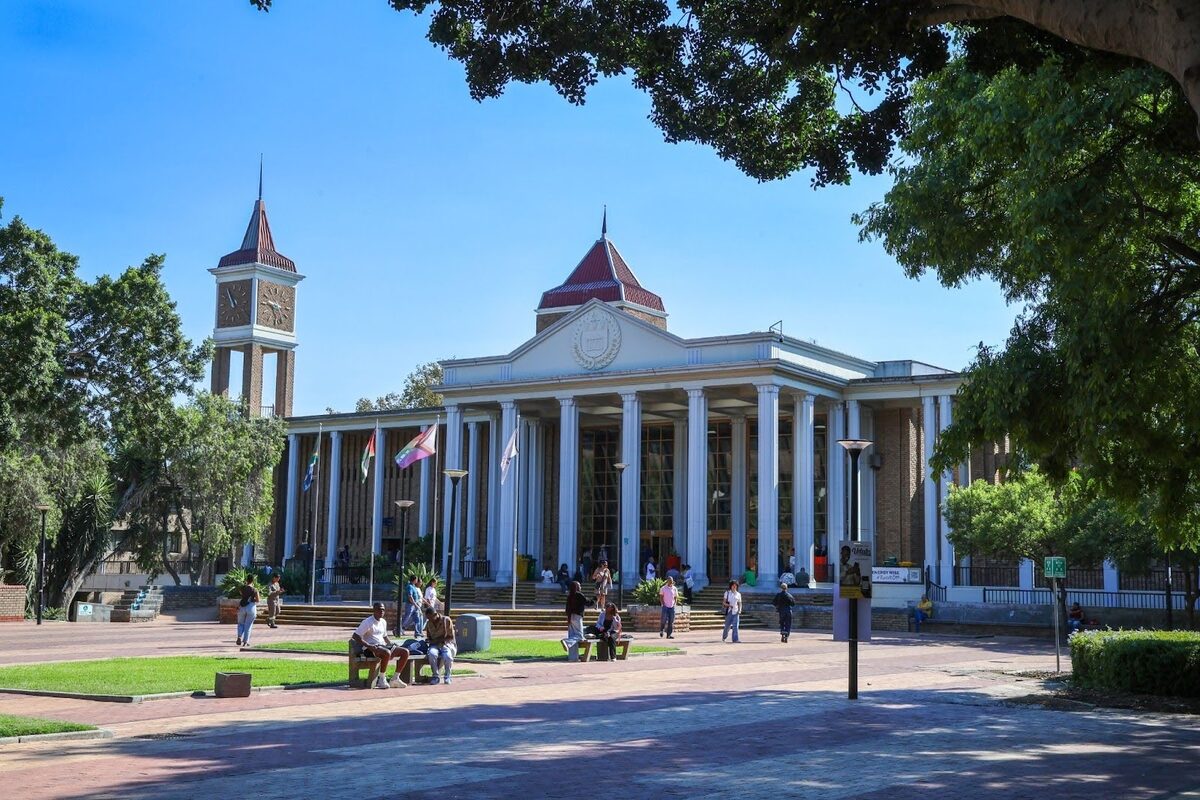
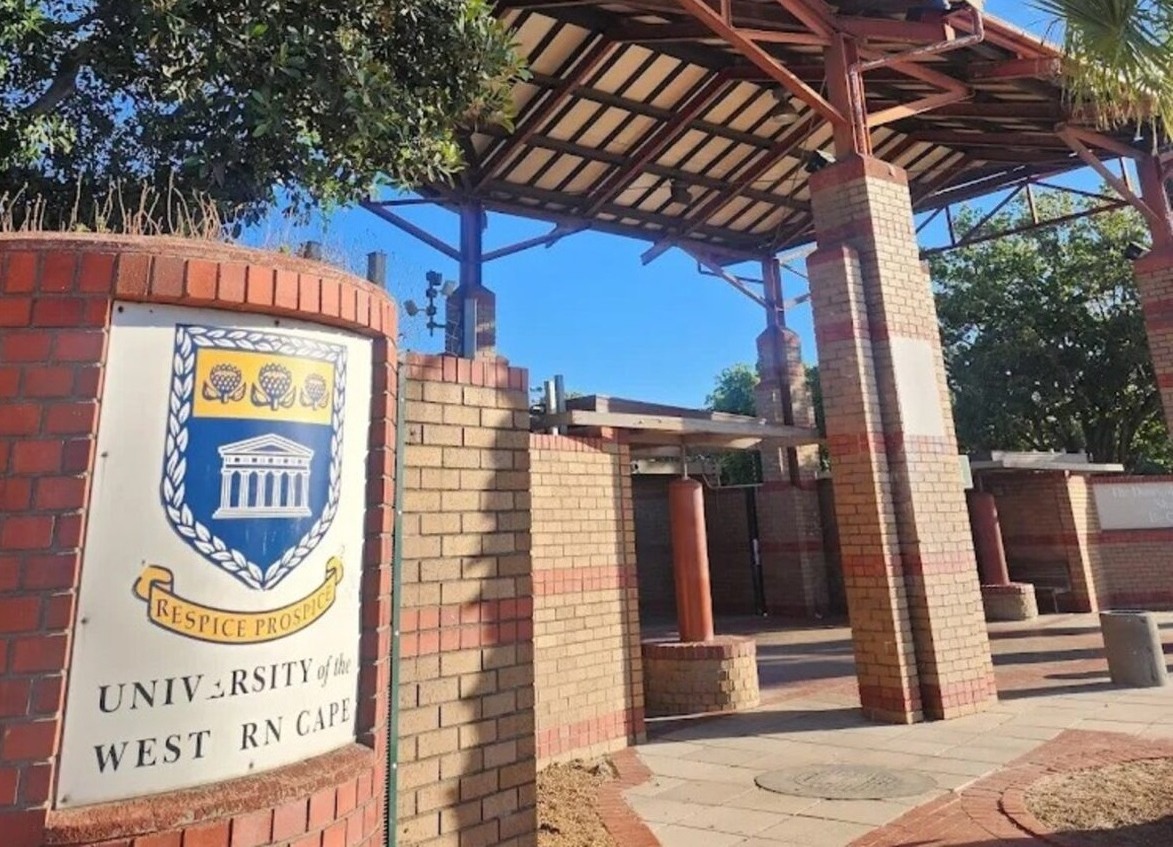
CAPE TOWN – The University of the Western Cape (UWC) brought together government officials, police, community leaders and academics last month for an urgent seminar addressing the escalating gang violence that has transformed parts of the province into “war zones”.
The one-day summit, titled “Gangsterism and Social Dysfunction,” was organised by UWC’s Jaap Durand Chair and Research Chair in Gender, Transformation and Worldmaking, in partnership with the Cape Crime Crisis Coalition, as gang-related deaths continue to dominate headlines across the Western Cape.
Disrupting loves
Prof Hein Willemse, inaugural holder of the Jaap Durand Chair, delivered a stark warning about the crisis’s impact on provincial communities. “The university cannot stand by while this scourge disrupts the lives of our people,” Willemse stated.
“The Chair seeks to serve as a focal point, bringing together diverse role-players to deepen our understanding of the crisis and to think strategically about sustainable solutions.”
The seminar addressed critical gaps in the criminal justice system, the devastating impact on youth and communities and evaluated current government and law enforcement responses to the crisis.
ALSO READ: UWC seminar to examine root causes and impact of gang violence
Call for state of disaster
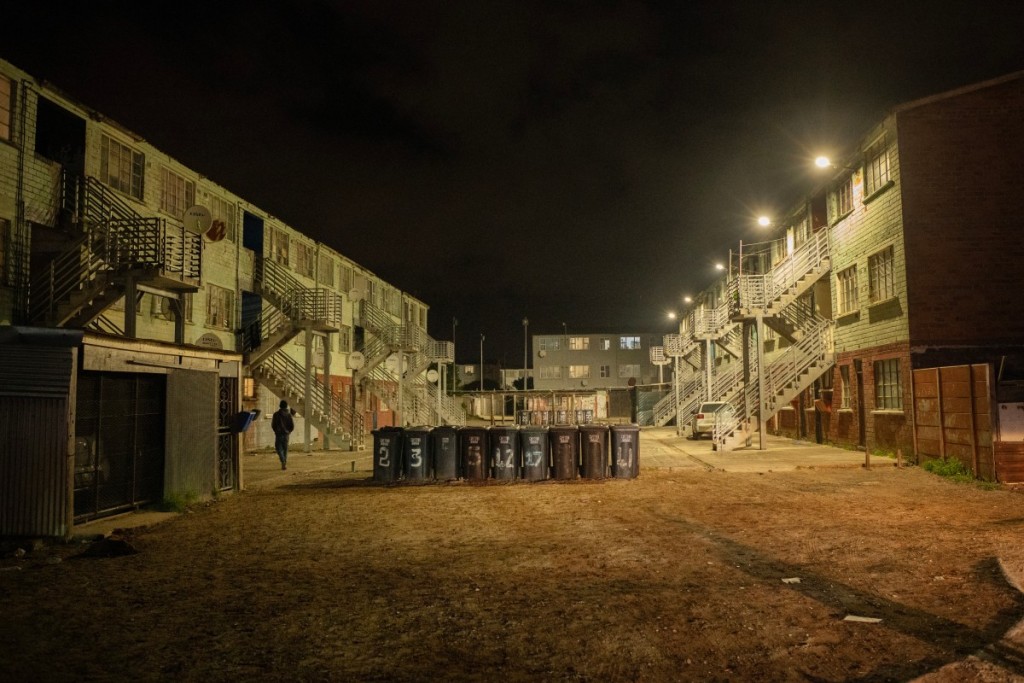
Rev Dr Llewellyn MacMaster, chairperson of the Cape Crime Crisis Coalition, painted a grim picture of conditions in affected areas.
“Gang violence does not occur in isolation. It is systemic, rooted in poverty, unemployment, entrenched social inequalities and historical conditions,” MacMaster explained.
“Gangsterism inflicts deep trauma and instability on our communities, and innocent residents are too often caught in the crossfire. We have previously called for a provincial state of disaster because the situation in some areas resembles a war zone.”
Breaking down response silos
Co-host Prof Karla van Marle, research chair in Gender, Transformation and Worldmaking at UWC, emphasised the need for coordinated action across sectors.
“Gang violence is a complex and multifaceted problem that cannot be reduced to a law-and-order issue,” Van Marle said. “This seminar provides a platform to interrogate our assumptions, confront competing interests and begin breaking down the silos that prevent more effective, collaborative responses.”
The summit drew participants from civil society organisations, faith communities, government departments, police services, academia and communities directly affected by gang violence, signalling growing recognition that traditional approaches have failed to stem the crisis.
The event comes as the Western Cape continues to grapple with some of South Africa’s highest murder rates, with gang violence contributing significantly to the statistics that have made headlines both nationally and internationally.



You must be logged in to post a comment.