

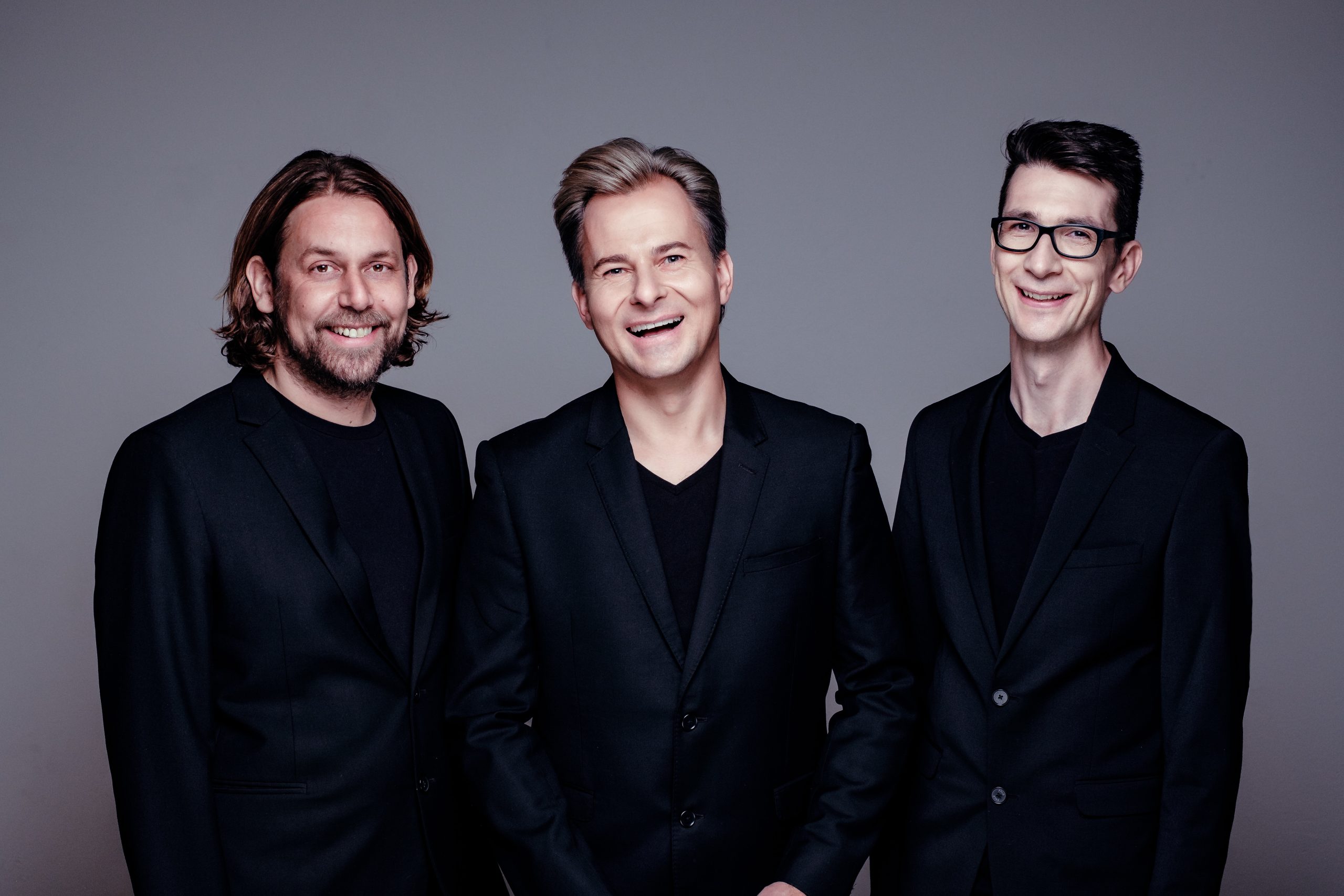
A blending of Mozart and jazz awaits as acclaimed pianist and composer Charl du Plessis and his trio present “Mozart, Mambo & Merlot” at the Endler Hall this Friday (5 June). Eikestadnuus spoke to Du Plessis to find out more about his blending of genres, his music making process, and why he thinks Mozart’s music has stood the test of time, as “Mozart, Mambo & Merlot” is also in honour of the virtuoso’s 270th birthday.
What can the audience expect from the concert?
Du Plessis: This concert celebrates the music of Mozart, but in a completely reimagined musical world. My arrangements rely heavily on jazz influences as well as Latin American rhythms supplied by my trio colleagues. The ability to recognise the music of Mozart, but show it with a new jacket on makes the listening experience quite refreshing, and your get to respect this master’s music all over again. My arrangements are always done with the necessary nod in the direction of the original music, but I like pushing the envelope a little and making the listeners sit up with surprise excitement and, hopefully, enthusiasm.
What does your own creative process entail?
DP: The motivation for creating music has always been very important for me. You also have to consider for which audience you are writing. In my case, I have been fortunate enough to write music performed almost instantly after writing it. For other composers there is a long wait before their works are performed. Of course, I am not a serious composer in the sense of some of the great composers you find in South Africa, but in my own style and field of work. I’m lucky to be able to supply in my own demand of compositions and arrangements and this makes me quite self-sufficient.

Does creating your own music add an additional element to performing the work of others?
DP: What does that background knowledge add? I think it does offer extra insight. When you study classical music you respect the score above all, as this conveys the wishes of the composer. Seeing that most of them are no longer with us, we have to rely on every small detail in the scoring order to understand what they expect of performers. I am very lucky to have wonderful colleagues, who have helped and inspired me with compositions, arrangements and the performance of these elements.
It is almost three centuries after Mozart’s birth, yet his compositions are still enjoyed daily. What is it about his music that you think has stood the test of time?
I think Mozart is an internationally favourite composer because his music is so accessible and people see it as easy on the ear. It is also seemingly always happy. The music or sound isn’t very difficult or strenuous. From a performer’s point of view, you can talk to any musician and they will agree that performing Mozart is extremely difficult. This is due to the fact that his writing is so clear and pure – there is no room to hide. Performers have to be extremely precise and very calculated in their musicality, and musicians have to implement that in every note. Audiences enjoy the music of Mozart because of the recognisability of his melodies. They are internationally synonymous with smiling and enjoying classical music. For me, Mozart remains a very deep composer with an incredible emotional range, but this is not always the aspect that we focus on when performing Mozart.
What is it about “jazzing up” classical music that you enjoy?
It supplies the audience with an instant burst of joy. This is something I have seen on almost all continents where I have performed. People enjoy the reimagined idea of an existing melody and they are always inspired by the rhythms and the fun that we have with the timeless music on stage.
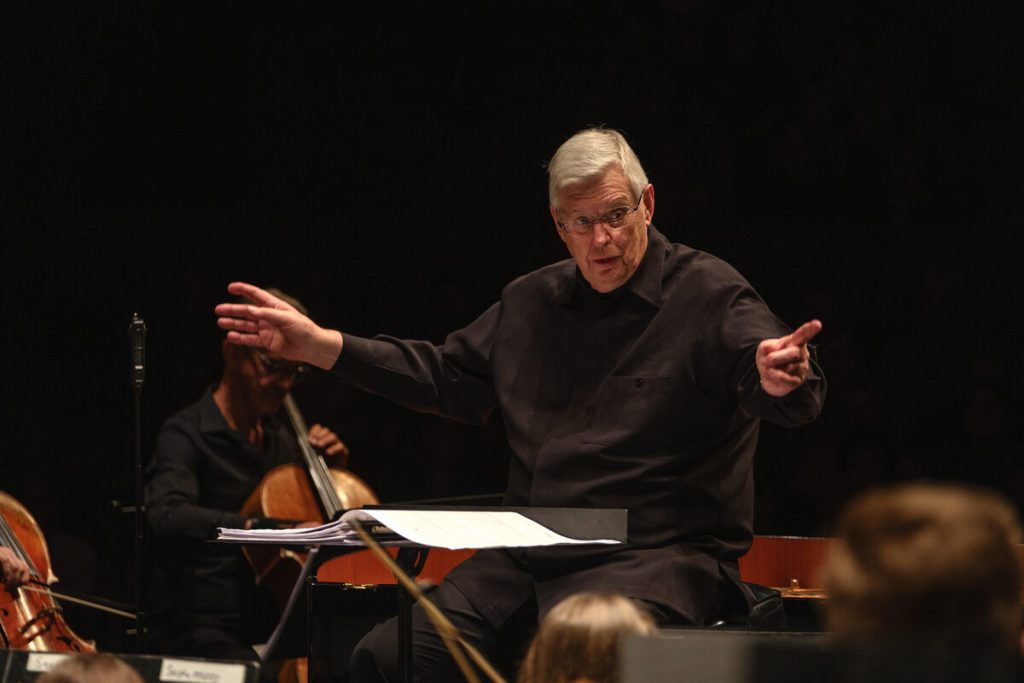
What is it like working with conductor Richard Cock on “Mozart, Mambo & Merlot”?
What do you believe he brings to the show that wouldn’t otherwise be there? Richard Cock is such an open-minded musician and he is a wonderful teammate on stage. Some classical conductors frown on the idea of taking an existing classical composition and reworking it in a jazz style, but Richard is a real sport and he enjoys the music just as much as we do. As a conductor, he is clear cut and easy to work with, and musicians and orchestra members alike respect him immensely. He is by far one of our biggest cultural assets in South Africa and I am immensely grateful for the opportunity to work with him – on and off stage.
• Tickets for “Mozart, Mambo & Merlot” are available online through Quicket.




You must be logged in to post a comment.