

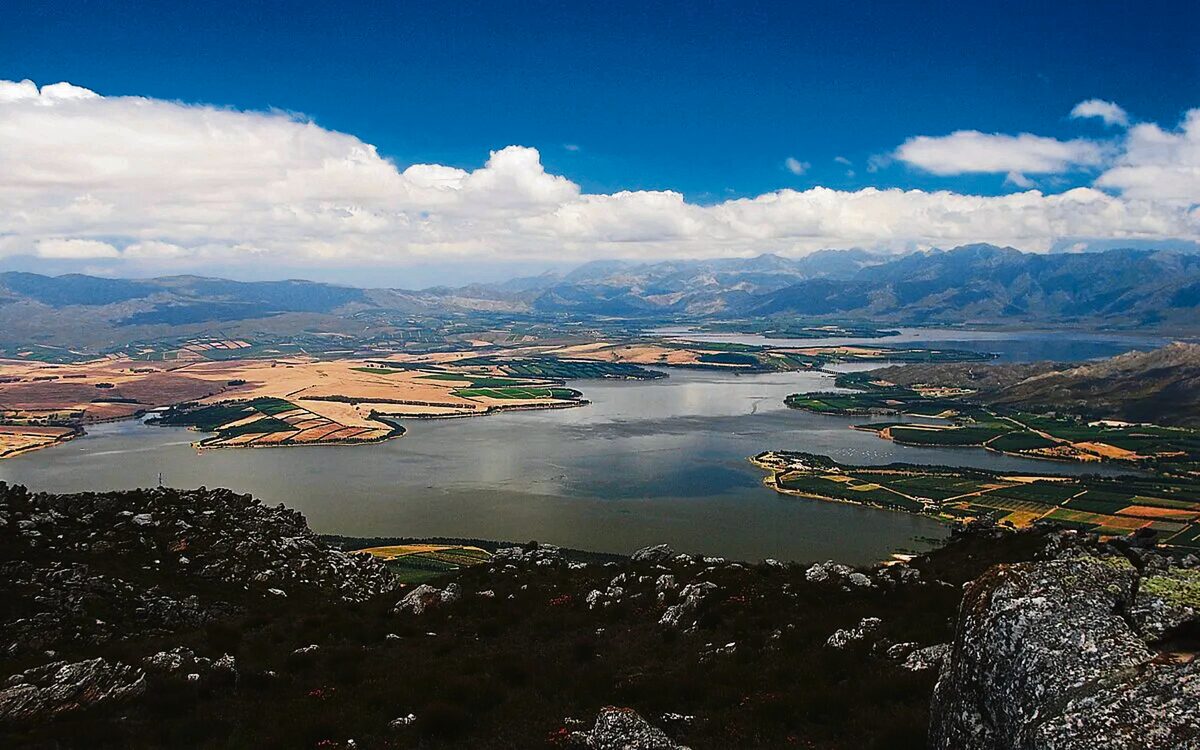
The Western Cape’s overall dam levels have surged to 74,7%, marking a dramatic recovery from the critically low 44,94% recorded early last month, according to the latest data compiled on Monday 1 June.
The impressive 26,53% increase comes after devastating floods swept through the province between 10 and 14 May, killing at least 10 people and leaving more than 7 400 people in emergency shelters. Farmers described the floods as the worst in a century.
The Cape Town Water Supply System, which provides water to the metro and surrounding areas, has shown an equally impressive recovery, surging from just 47,78% in early May to 71,95%.
ALSO READ: Rains bring relief but Western Cape dams remain low
More improvement
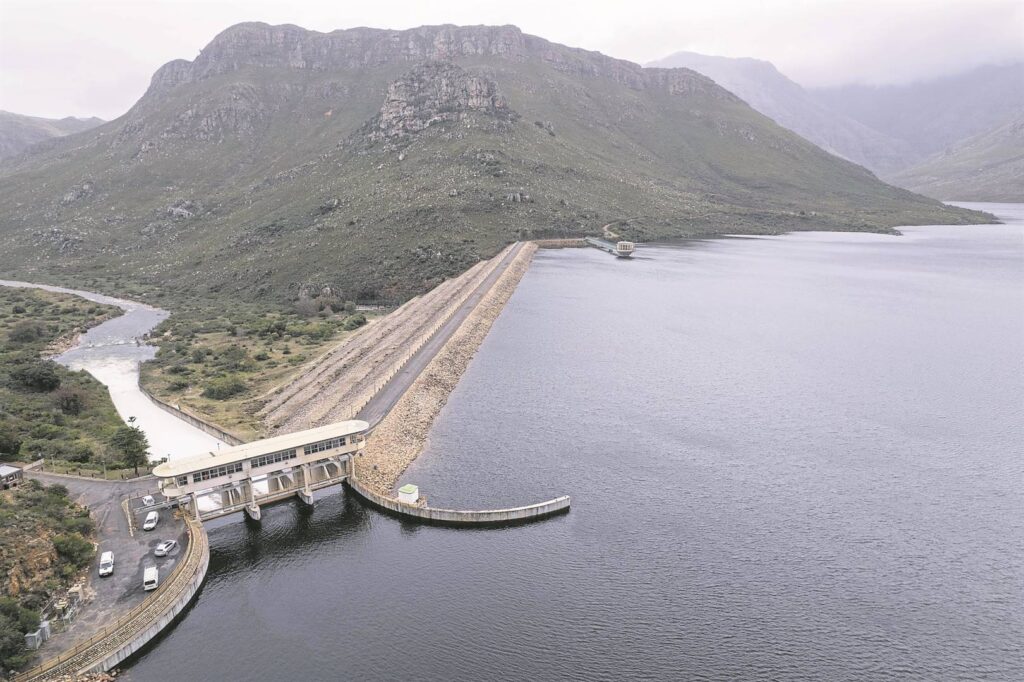
Theewaterskloof Dam, the largest in the province and accounting for 54% of the Cape Town water supply system, has rebounded from a worrying 43,2% in late April to 73,29%. The dam recorded 60,51% at the same time last year.
Other key dams in the Cape Town system have recorded even more spectacular gains. Wemmershoek Dam has nearly doubled from 49,47% before the floods to 96,71%, compared to just 53,65% last year. Berg River Dam surged from a low of 42,3% in late April to 75,86%, well above last year’s 67,38%.
However, not all dams showed year-on-year improvement.
Steenbras Upper Dam declined from last year’s 89,19% to the current 81,22%, though it has recovered significantly from 58,4% in late April. Voëlvlei Dam is at 59,63%, having climbed from 50,28% before the floods, but still only marginally higher than last year’s 58,42%.
The Olifants/Doorn River Catchment has recorded the most dramatic transformation, surging from a critically low 23,43% before the floods to 80,74% currently. This represents an extraordinary 57,31 percentage point increase in less than a month, and is vastly improved from last year’s 30.10%. Eighteen dams are at or above full capacity.



You must be logged in to post a comment.