
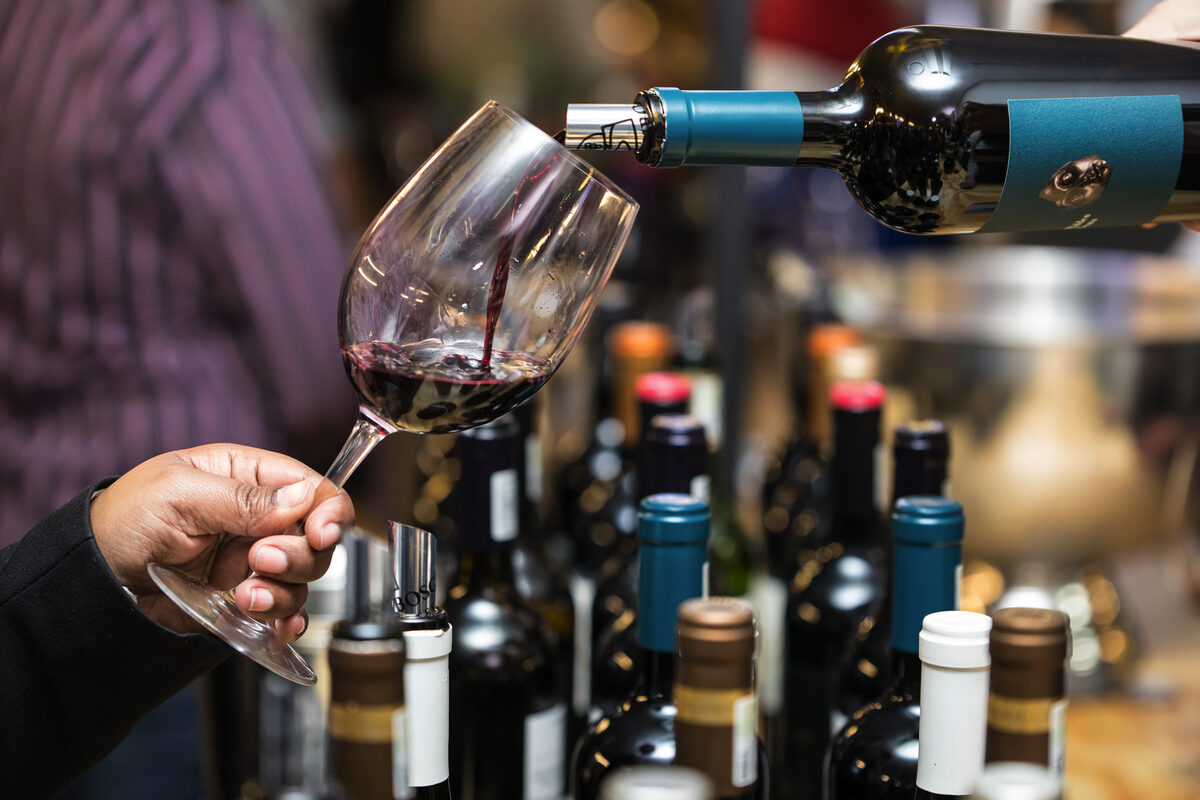
Frank discussion about the face, future and funding of the wine industry was had during a dialogue hosted by the Wine and Agricultural Ethical Trading Association (Wieta), in partnership with the provincial Department of Agriculture at the Stellenbosch Insitute for Advanced Study on Friday 26 September.
Many stakeholders from the wine industry, including emerging producers, deliberated on the challenges and successes of the sector, including how to diversify it.
UNITED IN TRANSFORMATION
At the centre of this engagement, according to Wieta CEO Linda Lipparoni, is a project that began as the Emerging Smallholder and Black Producer Ethical Support Programme. This has grown since its inception in 2019, and with a total direct investment of R3,5 million, change is happening.
“Seven years later we stand together, not only to acknowledge achievement, but affirm the power of transformation, the resilience of our black-owned brands and black producers, the shared responsibility we all carry to build an industry that is truly inclusive, ethical and sustainable,” Lipparoni said.
“We know the South African wine story to be a tapestry of rich soils and diverse cultures, of history, be it bitter and sweet.”
Wieta helps producers promote fair labour practices, ethical trade and social justice. For local black wine producers such as Antoinette Rapitsi of Redamancy Vineyards in Devon Valley, this means walking the talk.
PROGRESS BUT CHALLENGES EXIST
“We are seeing more women and black producers, so all races and people from different backgrounds have an opportunity to be part of the South African industry and in the African wine market. The identity of South African wines internationally hasn’t completely made that shift because when one presents one’s wines, the biggest success stories of the South African wine history are still the established brands. But this is changing. We are modernising and looking at being more transparent in terms of equity and labour.”
Along with Rapitsi, many of the panellists agreed there is still a long way to go.
Winemakers Vivian Kleynhans of Seven Sisters Vineyards and Denise Stubbs of Thokozani Wines also acknowledged that breaking into the local wine market still remains a challenge.
Stubbs spoke of her own challenges with local retailers and customers, who were still hesitant to try black-owned brands, believing the wine to be of lesser quality.
Denzel Swartz, sales and brand executive at Zoetendal Vineyard Estate, said in many instances retailers, hotel chains and eateries don’t expect black-owned wines to be fine wines. He said despite producing wines in the R200 class, customers often expect a R50 wine.
NO LIMITATIONS
“Tokenism creates visibility, and black-owned brands can be placed on shelves, but that does not create viability. We need long-term procurement commitments from suppliers. We don’t just need once-off sales,” Swartz pointed out.
“That’s not what we want. I always say I do not accept handouts. I accept hand-ups. If there is no responsibility and two-way commitment, I don’t want to partner with the brands.”
Lipparoni said transformation must become systemic to be sustainable. “May it strengthen our resolve to create a wine industry where opportunity is not limited by history, where quality and ethics work hand-in-hand, and where the success of black-owned brands is not an exception, but is expected and indeed is the rule.”