

Time moves differently at Vergenoegd Löw. Set just outside Stellenbosch, where vineyards stretch towards the Atlantic Ocean, this storied estate exudes rare tranquillity and privacy – a refuge where heritage, nature, and thoughtful design converge in quiet harmony.
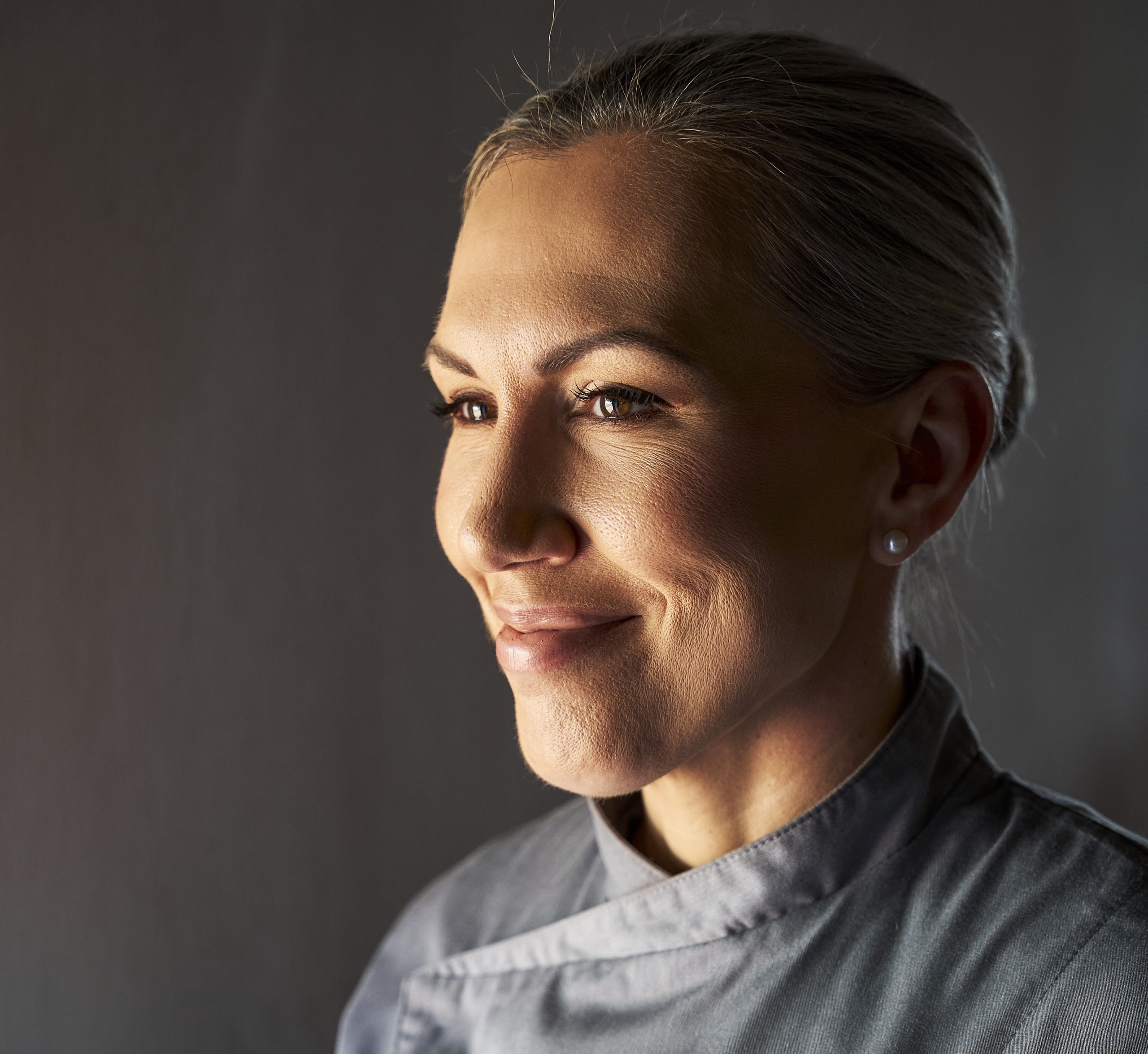
Now, the property is preparing to unveil a new gastronomic era under the direction of executive chef Michelle Theron, whose vision for food and hospitality attunes deeply to the spirit of the farm.
Since joining in mid-2025, Theron has been reimagining Vergenoegd Löw’s culinary landscape through a return to authenticity, connection, and calm refinement rather than loud reinvention. Her philosophy centres on simplicity, sustainability and seasonality, allowing each ingredient to speak softly yet with purpose.
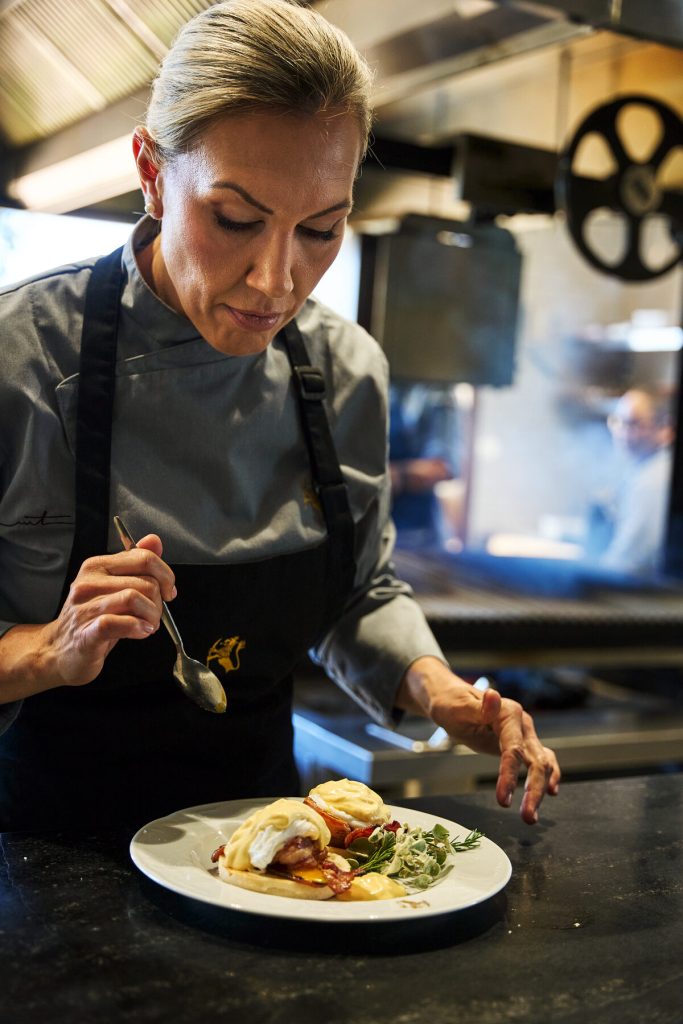
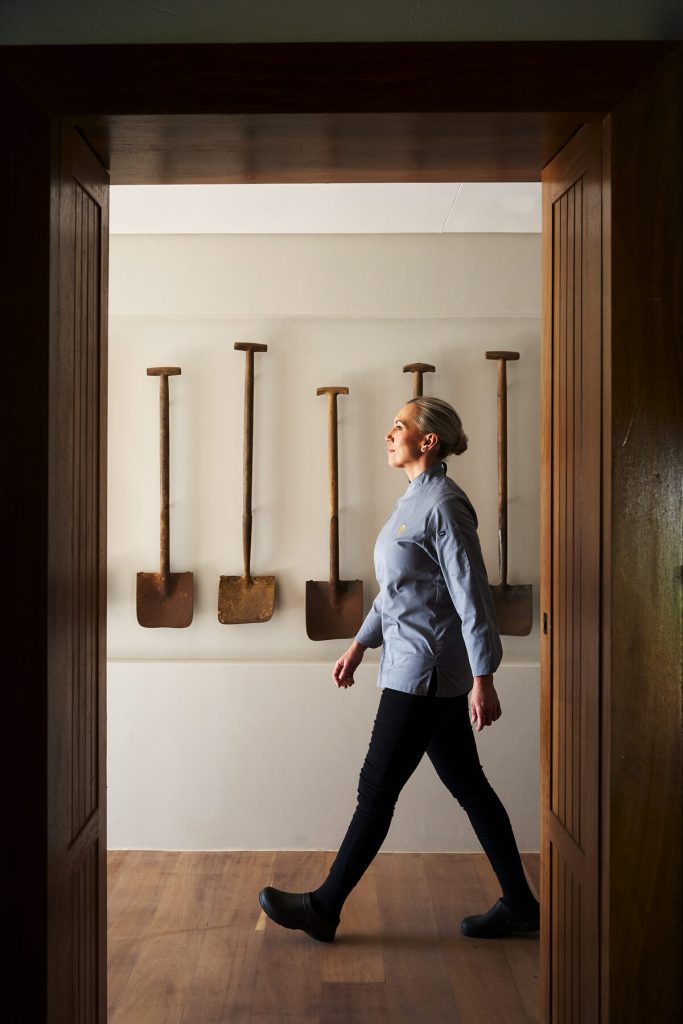
Culinary philosophy
“My vision here is about harmony,” explains Theron. “Harmony between food and wine, people and place, luxury and simplicity. Everything begins with what we grow, raise, and create on the farm. It’s about generosity without excess, and beauty without noise.”
With over two decades of experience in leading high-end culinary establishments, she brings distinctive creative vision and deep respect for heritage, sustainability and the South African table to one of the Cape’s oldest working farms.
Previously head chef at both Hazendal Wine Estate and Pierneef à La Motte, Theron has earned a reputation for crafting refined, soulful menus inspired by seasonal, local ingredients and authentic flavours. Her leadership style emphasises collaboration, mentorship and commitment to culinary excellence.
“We’re thrilled to have Michelle join our team,” says Corius Visser, managing director of Vergenoegd Löw. “Her arrival coincides with an exciting new era for our gastronomy offering—one that reflects our farm’s timeless character and fertile soils, yet speaks in a fresh, modern idiom.”
ALSO READ: Chef Michelle Theron takes over at Vergenoegd Löw’s restaurants
Heritage restoration
When new ownership assumed control of Vergenoegd Löw in 2015, restoration of the estate’s historic Cape Dutch buildings, declared a National Monument in 1974, became a pressing priority.
The collection of elegant yet time-worn 18th-century structures has since been meticulously revived under heritage architectural specialists’ guidance.
Extensive research into the farm’s past ensured the buildings’ historical and structural integrity remained preserved. Key references included detailed paintings and sketches by Jan Brandes, a Dutch Lutheran minister and artist who lived on the farm between 1786 and 1787.
His works, now housed in Amsterdam’s Rijksmuseum, vividly document the farm’s architecture and rural life of the period.
The restorations revealed fascinating historical layers.
Clara’s Barn, soon to continue its reputation as the farm’s signature dining venue, is believed among the first barns ever built at the Cape.
Geuwels, recognisable by its twin side gables, once served as the original wine cellar. The 1773 Homestead, its date inscribed on the gable, historically housed the owner’s family and today stands again as the estate’s hospitality heart.
Following restorations, these structures’ interiors are being reimagined to express their heritage through a refined contemporary lens. Each building will soon possess clear identity and purpose, united by overarching calm luxury, natural textures, and timeless design.
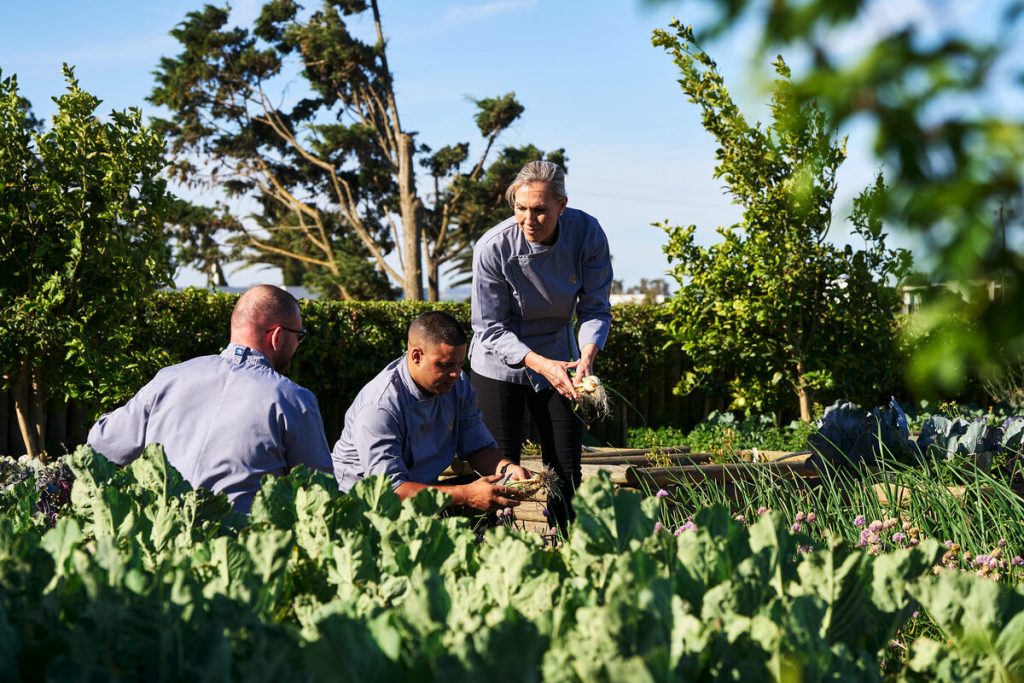
Theron’s culinary journey stems from Cape tradition. Her formative years on a family farm near Gansbaai instilled appreciation for real food’s simplicity – fresh bread, butter, milk straight from cows, vegetables harvested that morning.
“Those early memories shaped everything,” she reflects. “When ingredients receive proper care, you needn’t do much. You simply respect them.”
Her European training, particularly in Michelin-starred kitchens in The Netherlands, refined that instinct into sophisticated yet sincere style. At Vergenoegd Löw, she translates that sensibility into experiences honouring both heritage and innovation, earth and ocean, craft and comfort.
Future hospitality
In early 2026, Vergenoegd Löw will formally introduce its newly refined hospitality offering under Theron’s direction.
The 1773 Homestead will become the tranquil centrepiece for staying guests – a private retreat of understated elegance where mornings begin with slow, thoughtful breakfasts and afternoons unfold over Homestead Farm Tea or Caviar & Cap Classique pairings, enjoyed beside the hearth or on shaded verandas overlooking indigenous gardens.
Day visitors may pre-book experiences by contacting the estate in advance.
Geuwels is being re-envisioned as the heart of the estate’s wine and casual dining experience. Opening daily from December 2025 for immersive tasting experiences showcasing Vergenoegd Löw’s sea-kissed wines, the restaurant will offer farm-to-table menus driven by seasonal produce, embodying the farm’s regenerative growing and sustainability ethos.
Guests may explore signature pairings such as the Indigenous Food & Wine Experience, featuring seven wines, seven dishes, and seven stories celebrating resilience, resourcefulness, and South African terroir. Other offerings include artisanal cheese and charcuterie plates and Sunday Celebrations – harvest-style feasts where family and friends gather around abundant tables.
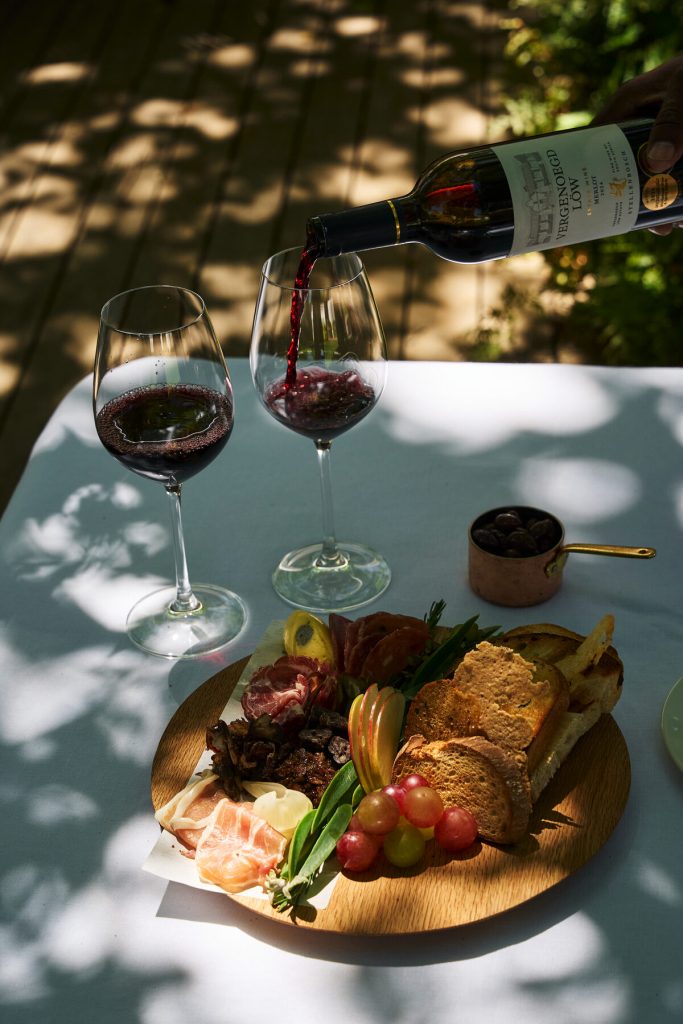
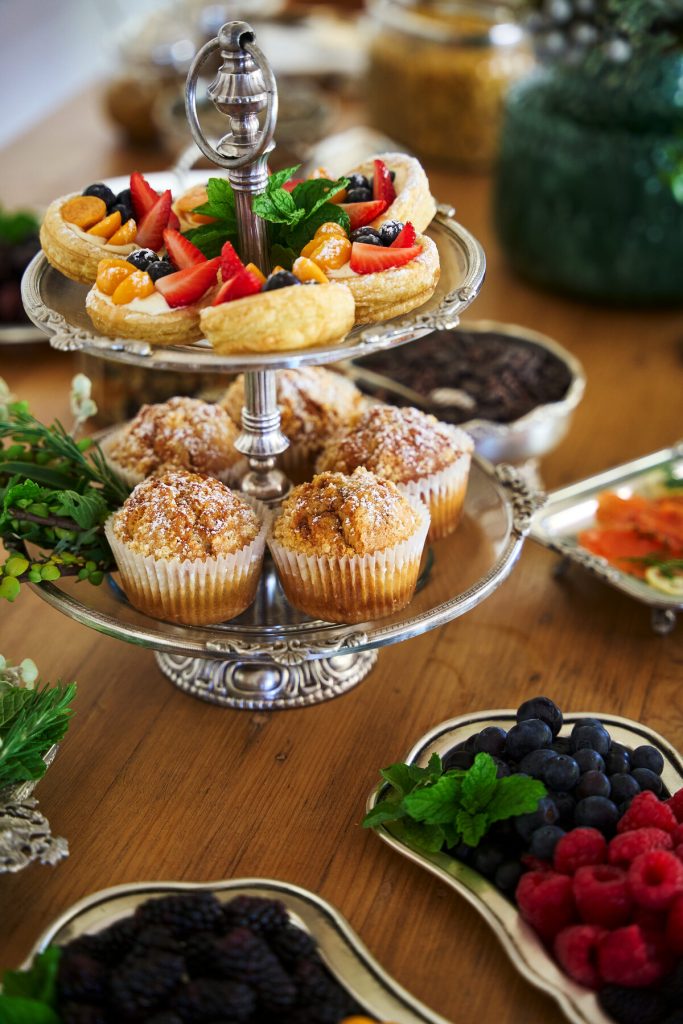
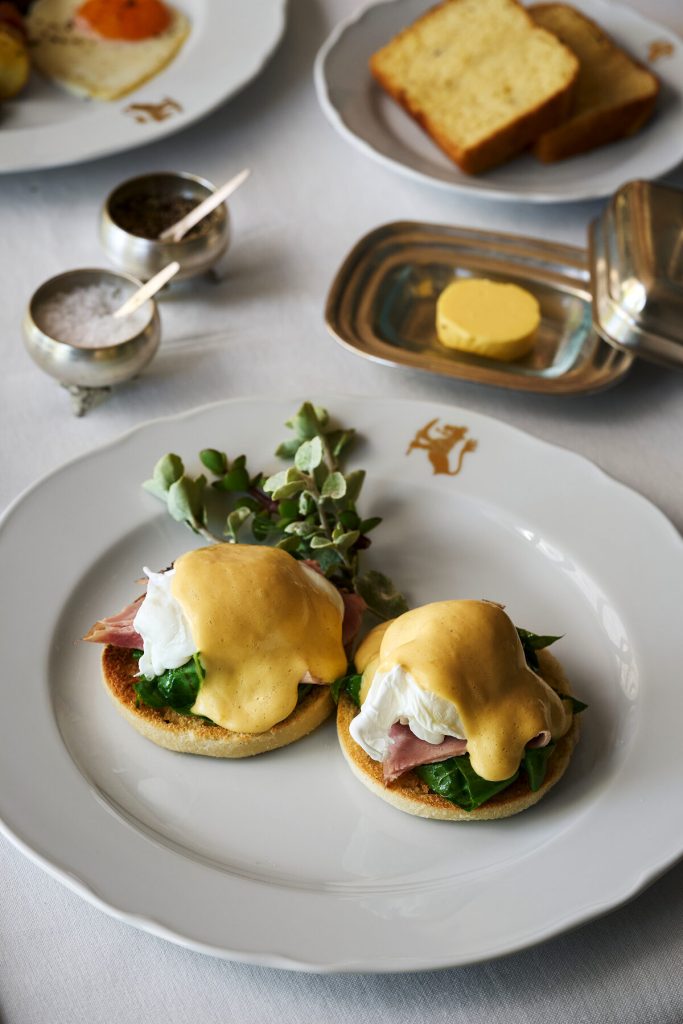
Clara’s Barn, the culinary flagship and luxury dining venue, will invite guests to savour reimagined heritage, heirloom, and classic small dishes, each emphasising health, balance, freshness, and originality.
As a farm-to-table restaurant, most ingredients derive directly from the estate, cultivated according to regenerative, agroecological principles. These provisions are sustained by life-giving soils nourishing livestock, vines, vegetables, herbs, and edible flowers. What cannot be produced on-site is sourced from like-minded local suppliers, ensuring seasonal ingredients and flavours.
The set menu will change frequently to mirror not merely seasons but subtle, intra-seasonal farm changes.
“Our goal is creating a living expression of Cape hospitality—refined yet real, where guests feel both inspired and at home,” says Theron. “Here, we cook what we grow, honour the land that sustains us, and celebrate the pleasures of food and connection.”
The result promises a seamless experience of place—an enduring sanctuary where the past whispers through whitewashed walls and thatched roofs, and every space invites guests to pause, breathe, and reconnect with nature and stillness.
- For more information, visit www.vergenoegd.co.za.


You must be logged in to post a comment.