

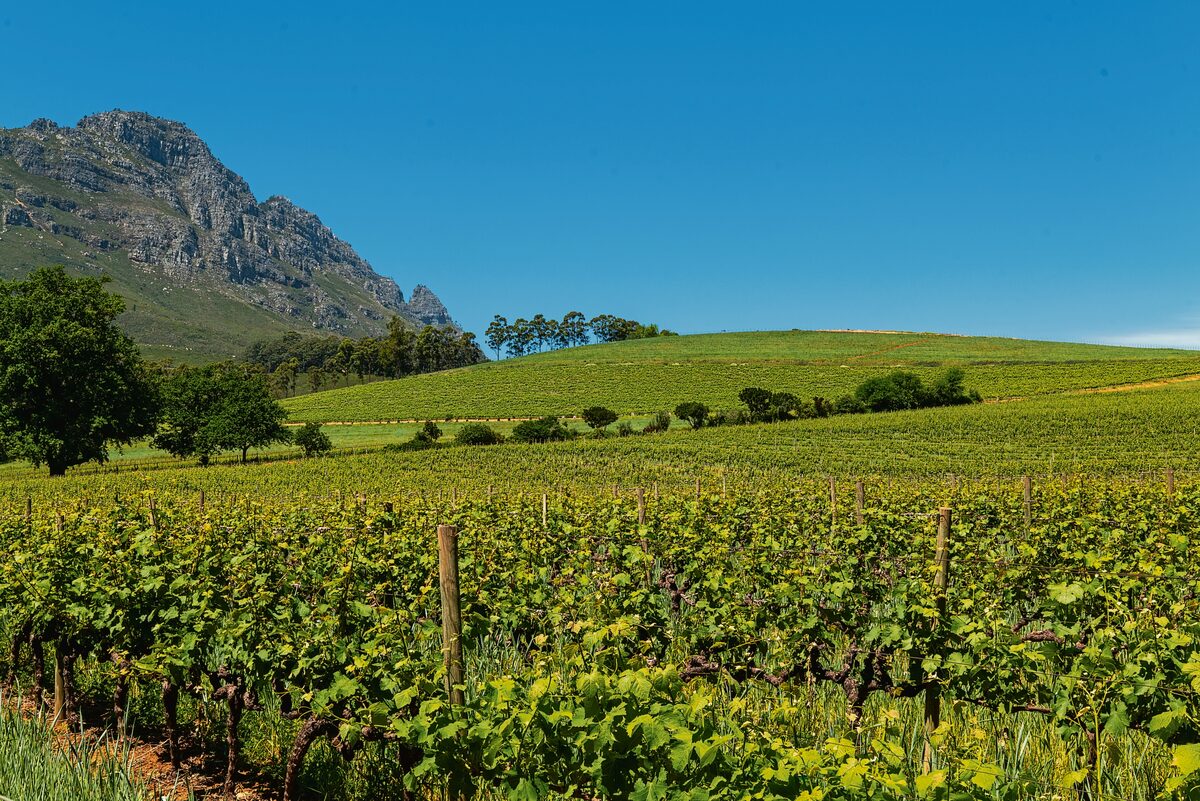
Despite the many challenges the sector has faced, it has been a good year for tourism in Stellenbosch.
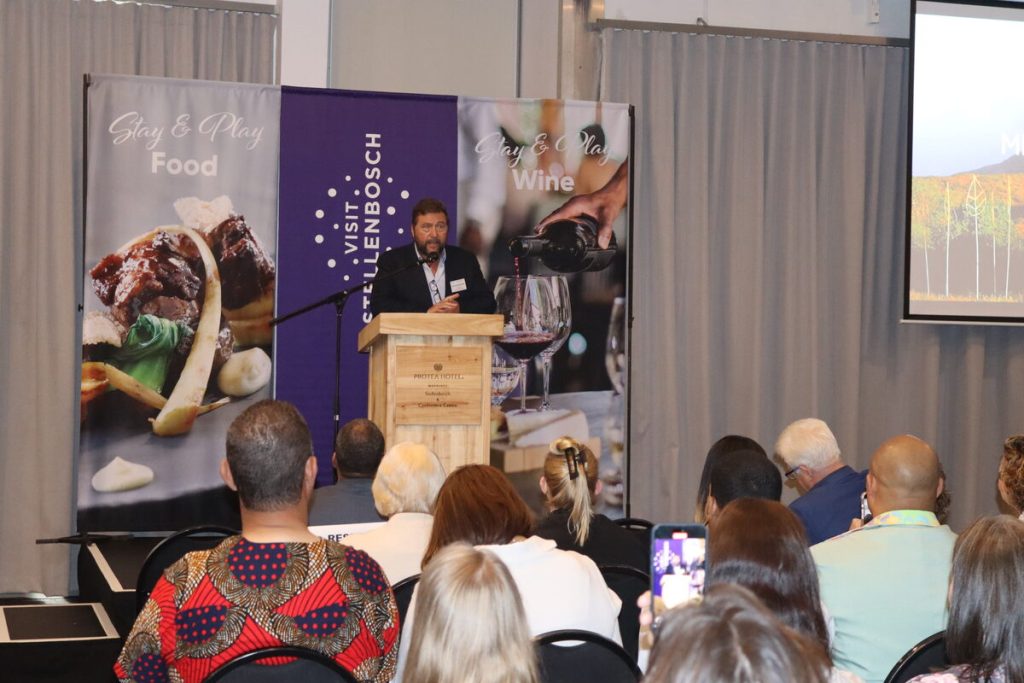
So said Michael Ratcliffe, chairperson of Visit Stellenbosch during the tourism organisation’s annual general meeting at Protea Hotel in Stellenbosch on Friday 14 November.
Ratcliffe said the past year has been one filled with change for the sector. “There has been a lot of disruption and change. There has been plenty of transition, yet I would still categorise it as a good year,” he said.
“Without the support of the Visit Stellenbosch board and the entire tourism community, we wouldn’t have been able to say that.”
Highs and lows
Among the changes and challenges were the Stellenbosch Municipality’s proposed draft Stellenbosch municipal zoning scheme bylaw, which seeks to “regulate and control municipal zoning”.
“In Stellenbosch agriculture, wine, wine tourism and tourism are all the same thing,” Ratcliffe said. “We drink from the same bottle so to speak.”
Another change was the appointment of Annemarie Liebenberg as CEO of Visit Stellenbosch in March. The organisation also worked with a new mayor Jeremy Fasser, who replaced Gesie van Deventer late last year. Ratcliffe thanked Fasser for listening to the sectors’ input on the proposed bylaw on which he was committed to providing “intelligence feedback”.
ALSO READ: Tourism expert takes over Visit Stellenbosch
Visit Stellenbosch is a eight-year-old public-private partnership which, according to Ratcliffe, has been battle tested and is a success story of which to be proud – a sentiment that Western Cape Premier Alan Winde shares.
In his keynote address Winde said: “Everything [Stellenbosch] seems to be doing in this ecosystem is really shooting the lights out, so let’s keep doing it. Well done! Thank you for playing your part in creating jobs, opportunities, and building a resilient region.”
Winde’s pat on the back didn’t come without a caution. He said while the sector works to attract tourists, it didn’t mean wine estates, accommodation and experience providers are geared for the market they aim to attract.
“The challenge for government and the private sector, is to keep up. At the moment, international arrivals into Cape Town is growing at 16%. That is huge, but are we passing enough plans? Are we attracting sufficient investors? Have we not only enough beds, but also experiences for visitors to do?”
‘Tourism a lifeline’
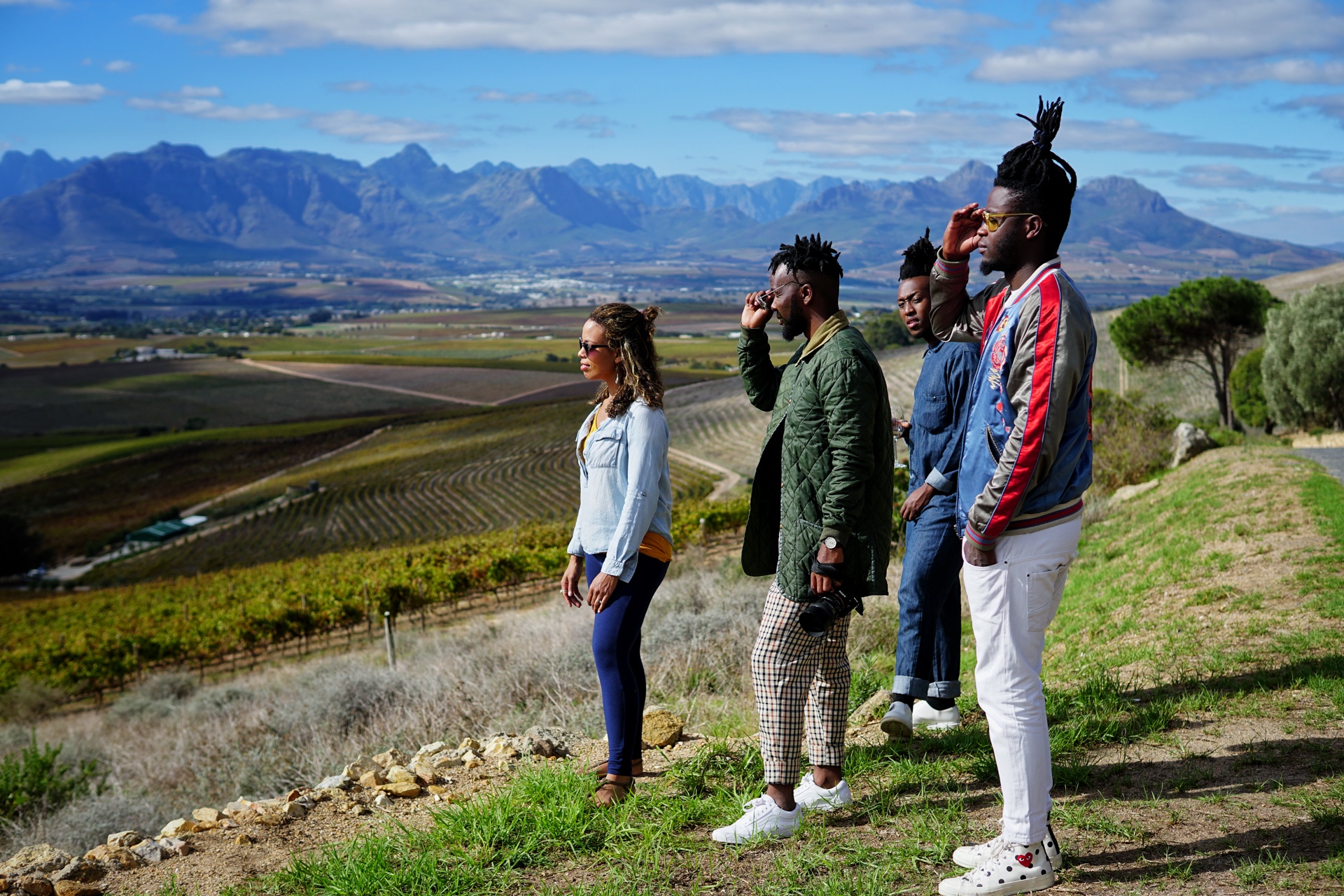
According to Visit Stellenbosch there is plenty to do in the greater Stellenbosch. The region has more than 800 km of trails to explore, more than 50 art galleries to visit, more than 150 wine farms and more than 200 restaurants.
Winde cautioned local stakeholders on operating times, rates that price-out domestic tourists and not becoming complacent as part of the “gastronomy and wine” capital.
Fasser emphasised the importance of local tourism for the town. He highlighted the recent annual Stellenbosch Garden Town, Wine Town and the Stellenbosch Street Soireés as collaborative events by Visit Stellenbosch and the municipality.
“Tourism is a lifeline that has sustained thousands of families, businesses and livelihoods across our area – from restaurants and wine farms to guest houses, tour operators and creators. When tourism succeeds our local economy succeeds,” the mayor said.
According to research by Futureneer Advisors, 48 311 direct and indirect jobs were sustained by tourism in Stellenbosch in 2024.


You must be logged in to post a comment.