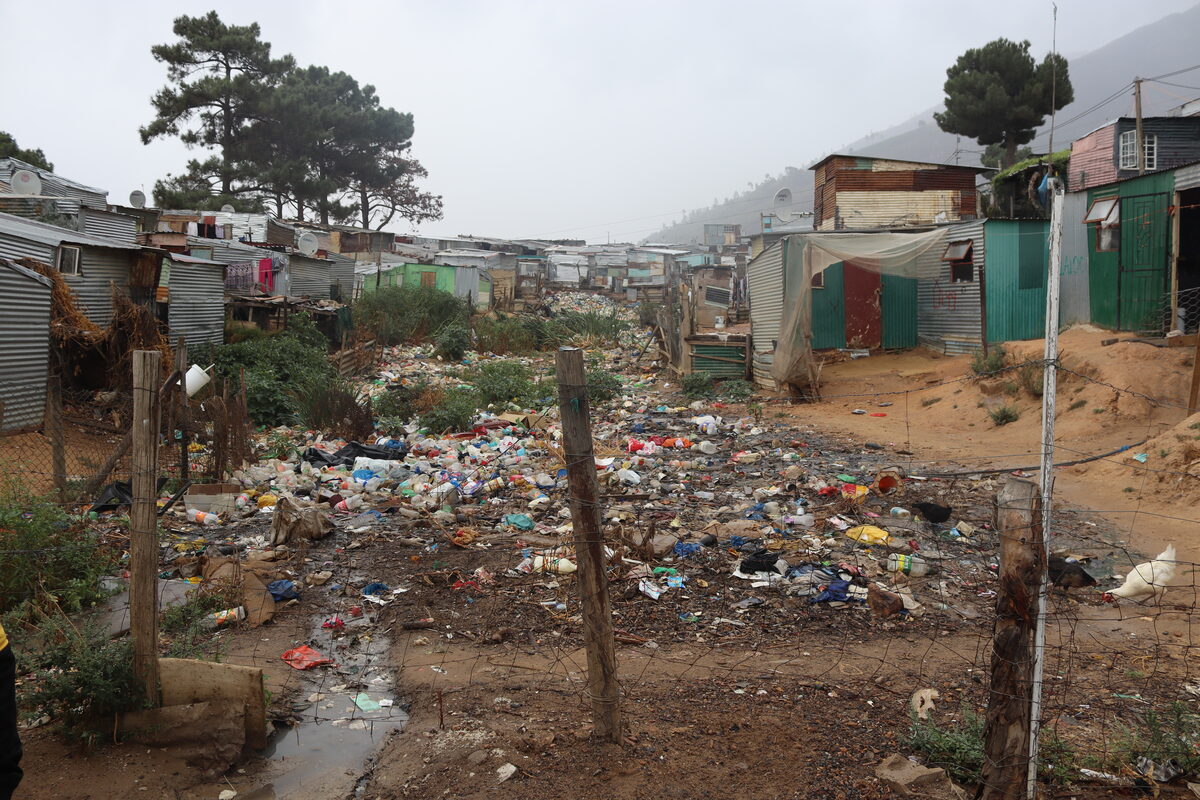

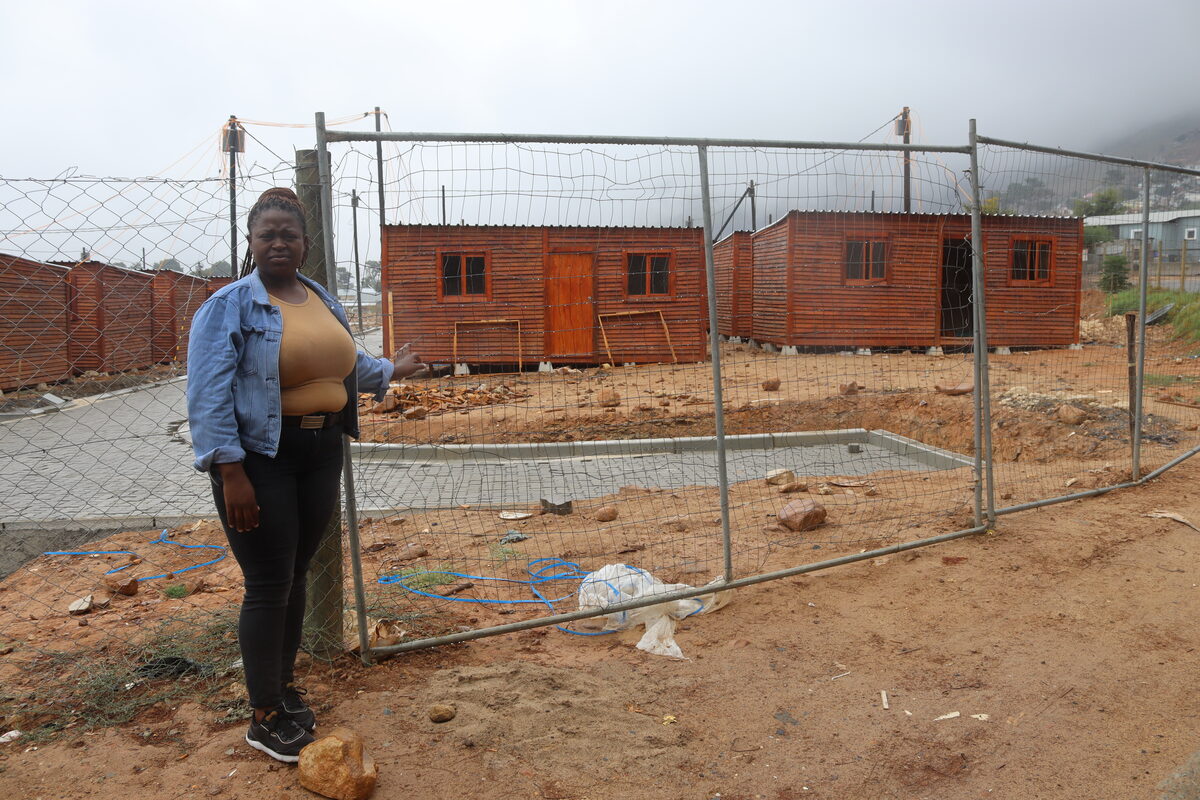
The first residents of Langrug informal settlement in Franschhoek moved down the mountain on Monday (7 July) as part of the relocation project.
According to the Stellenbosch Municipality 85 families will be relocated to the temporary housing in Mooiwater during the first phase of a planned housing project. The project will also include the rehabilitation of a dam in Langrug.
According to municipal spokesperson Stuart Grobbelaar, the first day of the relocation went well. “To date, there has been very little to no resistance to the relocation by Langrug residents,” he says.
“Residents have generally been receptive and cooperative throughout the process. As part of the temporary housing area [in Mooiwater] 219 structures have been built to accommodate affected families. Ongoing engagements remain a priority. In the event that any resistance is encountered, these processes will continue to ensure transparent and inclusive communication with all involved.”
However, it seems that some tempers flared in Mooiwater. “The Mooiwater community has been actively involved in the project, with local representatives serving on the Project Steering Committee. Twenty-two temporary structures have been allocated to backyard dwellers from Mooiwater, who are scheduled to move during the second phase of the project. The tensions that occurred earlier [Monday] among Mooiwater residents was resolved swiftly and all work is proceeding smoothly once again,” Grobbelaar points out.
Cramped housing
The planned move was not without push back from some Langrug residents either.
Earlier this year, Eikestadnuus reported on residents who refused to vacate their homes to move to the wendy houses erected by the municipality (“Residents object to relocation”, 27 March).
Residents who have lived in Langrug for years, like Ntombifikile Mvango, said they are not willing to move, in part due to the size of the temporary homes.
Mvango believed the move from a two-bedroom home to a one-room wendy house would not only be cramped and uncomfortable, but also mean she would have to leave most of her possessions behind.
Despite some residents’ apprehension, others were satisfied with the planned relocation.
Eikestadnuus spoke to one young woman who said she was willing to move as the temporary homes were fitted with electricity and running water. She also said the “new” homes are bigger than her current shack.
Now, months later, the first residents are moving, but Isaac Davids, community activist at Concerned Residents Franschhoek, claims there were still many unknowns. As part of the relocation residents signed memoranda of understanding (MOUs) with the municipality and contractors confirming their change of address.
“Officials from the municipality met with residents to sign MOUs for the relocation,” Davids says.
“They were not told what exactly this entails and now residents who moved are upset by the housing they have received. Many residents were intimidated by both officials and the contractors on Monday, and they are realising the move was not necessarily for the better.”
Legal advice
Grobbelaar says copies of the MOUs will be handed over to residents. “The municipality confirms that, as discussed during previous community engagements, copies will be distributed to the beneficiaries once all parties have completed the signing process.”
But Davids labels this practice as unacceptable as it does not allow residents time to seek legal advice. “We are not against a move, but what we are calling for is adequate housing with water, electricity and indoor toilets. On Monday residents were told that once the dam rehabilitation is complete, they can move back as housing will be made available.”
Grobbelaar confirms construction work on the permanent development will start once all families of the first phase of relocation have moved. Work includes the dam rehabilitation and installation of municipal services, including water pipes, electricity cables and the stormwater system.
For his part, Davids says residents are looking to contact the Human Rights Commission about the relocation.