
The EFF and the Democratic Alliance are locked in a war of words over the Department of Home Affairs’ decision to roll out identity document services through commercial banks, with the EFF warning of privatisation dangers while the DA defends the initiative as ground-breaking progress.
The dispute centres on the newly launched Home Affairs @ home programme, which allows South Africans to apply for Smart ID cards at participating bank branches instead of visiting government offices.
The EFF said in a statement that while the department claims the initiative will reduce queues and improve efficiency, the programme represents a dangerous step in the privatisation of the infrastructure of citizenship in South Africa.
The party said it is deeply concerned that the DA, through its control of the Department of Home Affairs, is choosing to hand over core state responsibilities to private financial institutions instead of rebuilding the capacity of the state itself.
“Identity documentation is not a luxury service or commercial product; it is the legal foundation of citizenship, determining whether a person can vote, work, access social grants, open bank accounts, or participate in the economic life of the country,” the EFF said.
The party pointed to what it described as an existing crisis in documentation. According to the Department of Home Affairs, more than 4.4 million South Africans aged 16 and older do not have identity documents, leaving them excluded from basic civic and economic rights.
The EFF said statistics show that around 11% of people in the country, approximately six million individuals, lack formal documentation of any kind, including birth certificates and identity documents.
“Instead of addressing this crisis by investing in new Home Affairs offices, hiring additional staff, and modernising state infrastructure, the DA’s answer is to outsource identity services to banks, further enriching their counterparts through state coffers,” the party said.
The EFF argued that the majority of poor and working-class South Africans, particularly those in rural communities, townships and informal settlements, do not have easy access to bank branches or do not participate fully in the formal banking system.
The party raised concerns about corruption within Home Affairs, saying syndicates have been exposed for selling fraudulent identity documents and colluding with officials to produce illegal documentation.
“By inserting private banking institutions into the home affairs chain, the DA risks creating new vulnerabilities due to commercial interests, and the resultant data management issues that will arise,” the party said.
The EFF said if the DA was serious about solving the crisis, it would prioritise the massive expansion and modernisation of Home Affairs offices, deploy live-capture technology in every branch, eradicate corruption syndicates and establish mobile documentation units for rural and underserved communities.
In response, DA spokesperson Karabo Khakhau said the party is unsurprised that the EFF stands against Home Affairs services rolling out to bank branches.
“The EFF is an enemy of progress. They are a party of violence and chaos, that has no real solutions to any problems in South Africa,” Khakhau said in a statement.
He described the launch of Home Affairs Smart ID applications at bank branches of Capitec and Standard Bank as a groundbreaking leap forward for South Africans and the start of the end of queueing for hours outside Home Affairs branches.
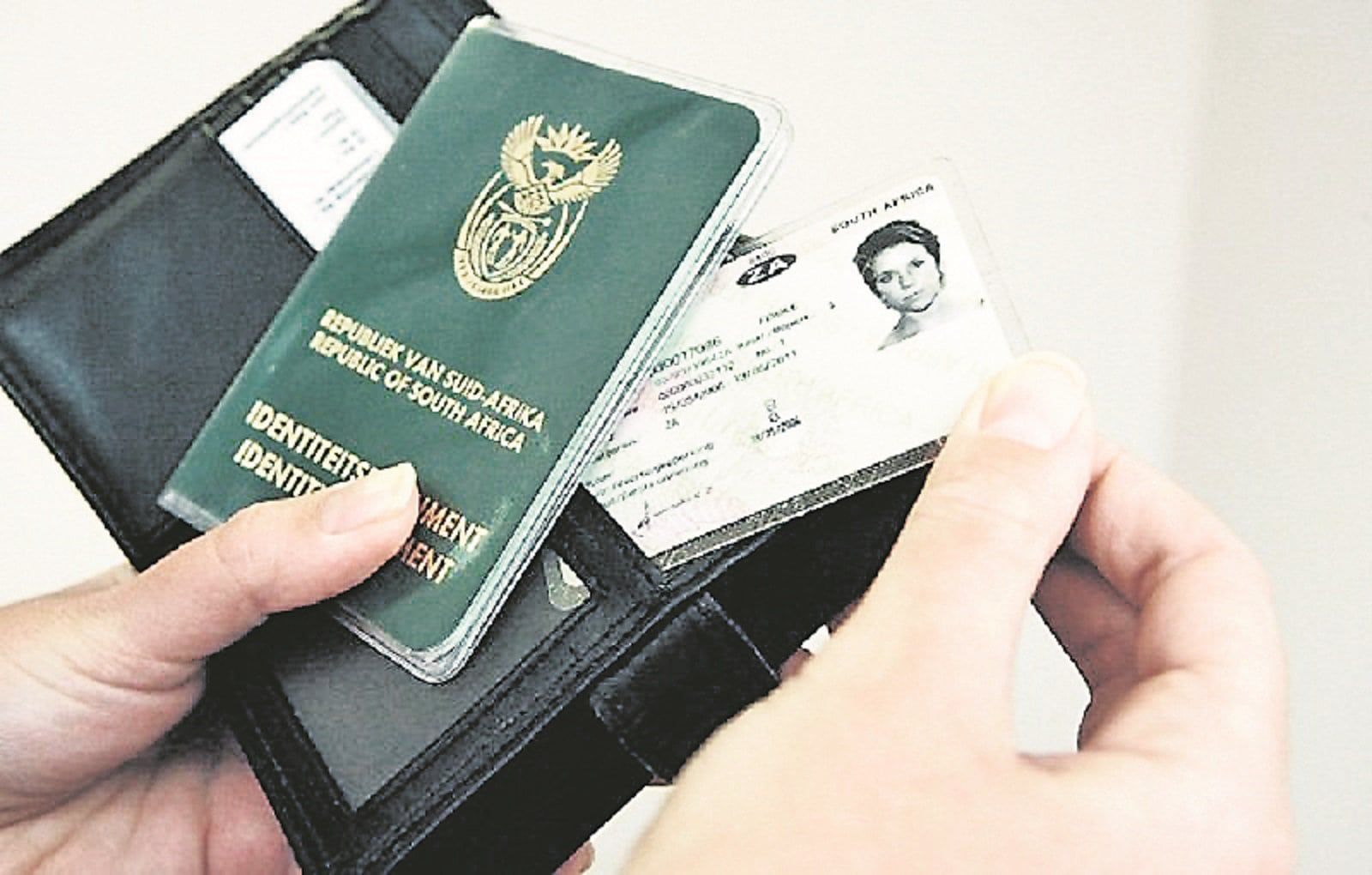
“Smart IDs replace the very insecure, and often forged green ID book which have allowed illegal immigrants to impersonate South African citizens. It clearly exposes the EFF that they would stand in the way of people converting to secure Smart IDs,” Khakhau said.
He said the DA rejects the EFF’s position and accused the party of defending illegal immigrants using forged South African green ID books.
Khakhau said the DA is proud of Minister Leon Schreiber’s progress at Home Affairs, delivering Home Affairs @ home.
The banking partnership officially entered its live operational phase on Sunday, with nine bank branches beginning to offer the service.
ALSO READ: Home Affairs partners with banks to cut queues and bring services closer to citizens

